
Diamond wire cutting for jade, agate, obsidian and other lapidary materials — low kerf loss, une alimentation contrôlée, and a cut that protects the stone rather than the schedule.
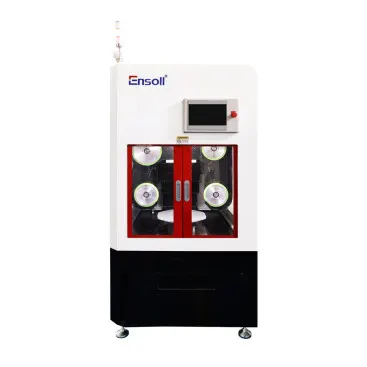
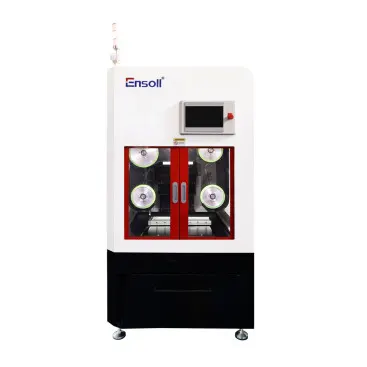

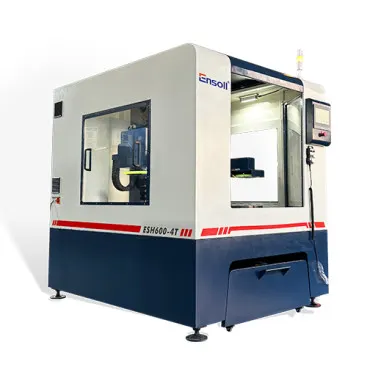
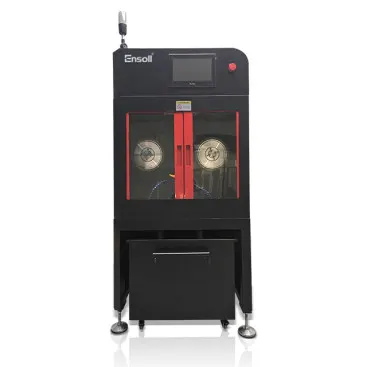
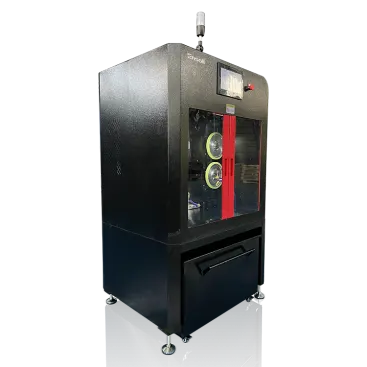
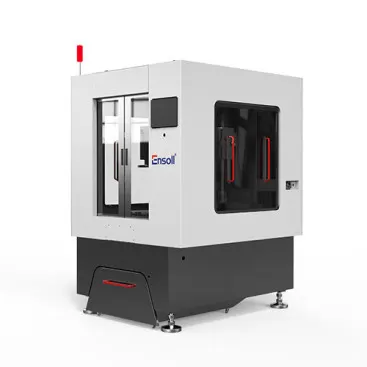
Why lapidary work moved to wire
A slab saw with a diamond blade removes a kerf of 3–5 mm. On a piece of high-value rough, that kerf is the single largest material loss in the whole process. Un 0.45 mm wire removes less than a tenth of that, which changes the economics of cutting valuable rough at all.
The second reason is control. Wire cuts with a constant, faible force, so it does not propagate existing fractures the way a large blade does. On included material that is the difference between a slab and a pile of fragments.
Wire selection by material
| Matériau | Wire Ø | Abrasive | Feed | Risk |
|---|---|---|---|---|
| Néphrite / jadéite | 0.30–0.50 mm | D126–D181 | 1–4 mm/min | Fracture propagation from existing flaws |
| L'agate / chalcedony | 0.25–0.40 mm | D64–D126 | 1–3 mm/min | Chatter on hard/soft banding |
| Obsidian / volcanic glass | 0.20–0.30 mm | D30–D64 | 0.5–2 mm/min | Conchoidal fracture at exit |
| Turquoise / soft opaque | 0.20–0.30 mm | D30 | 0.3–1 mm/min | Absorbs coolant; staining |
Handling the rough is the real skill
Before the cut: inspect under raking light for fractures, and decide the orientation from the stone, not from the machine. A flaw running across the intended cut plane will open regardless of feed. Rotating the cut by 15° often avoids it entirely.
During the cut: keep the feed constant and let the wire do the work. Operators tend to push the last third of the cut; that is exactly where the stone is weakest because the wire is exiting.
Coolant and staining
Porous lapidary materials absorb fluid. Use a clean water-based coolant with no dye and no rust inhibitor that leaves residue, and rinse the slab immediately. A stain that appears a week later is a coolant problem, not a stone problem.
Frequently asked questions
Can wire cut a stone with visible fractures?
Sometimes, if the fracture does not intersect the cut plane and you support both sides. More often the correct answer is to cut around it — the wire will follow the fracture rather than resist it.
Is wire slower than a slab saw?
Slower per cut, oui. But it loses a tenth of the material and does not shatter included rough, so on valuable stone the effective yield is higher.
What wire do I start with for unknown material?
0.35 mm, D126, feed at the low end of the range. Then adjust feed first, grit second, diameter last — diameter changes have the biggest effect on kerf and the smallest on cut quality.