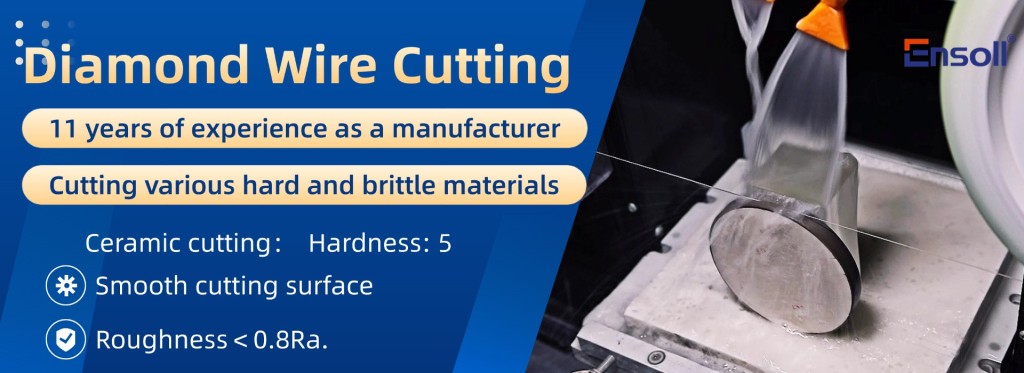
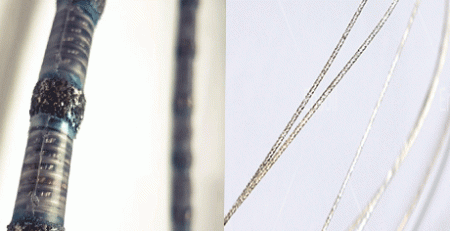
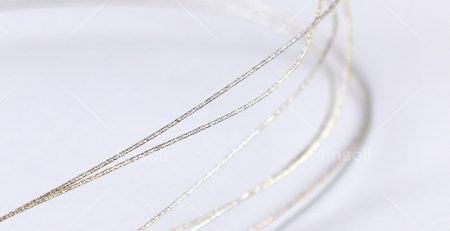
In the world of precision cutting, the diamond cutting wire loop has emerged as a game-changer, especially in the realm of ceramic cutting. This innovative tool has revolutionized the way we approach cutting hard materials, offering unparalleled precision, efficiency, and durability. In this blog post, we will delve into the intricacies of diamond cutting wire loops, their applications in ceramic cutting, and why they are becoming the go-to solution for industries requiring high-precision cutting.
Key Takeaways
A diamond cutting wire loop is a high-strength steel wire with diamond particles electroplated or sintered onto its surface, run in a continuous high-speed loop to grind through hard, brittle materials.
Ceramics defeat traditional cutting because hardness plus brittleness causes chipping, cracking and uneven edges; the wire loop cuts them precisely with minimal material damage.
Proven applications span electronics (insulators, substrates, capacitors), medical devices (implants, surgical instruments), aerospace (high thermal resistance components) and art and design.
Core advantages: intricate-cut precision, clean smooth edges, high cutting speed, versatility across ceramics, glass and composites, and long diamond-coating durability.
Realistic considerations: higher initial cost than conventional tools, regular wire cleaning and wear checks, and specialized operator training — with automation and sustainability the clear technology trends.
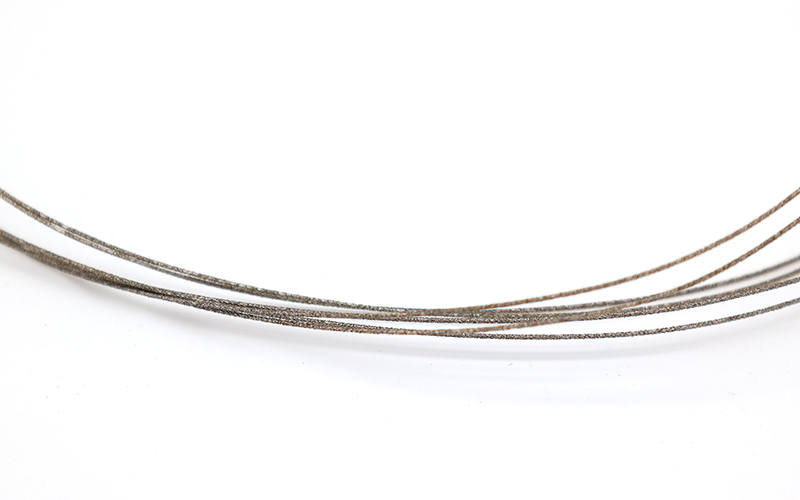
A diamond cutting wire loop is a cutting tool that utilizes a wire embedded with diamond particles to cut through hard materials. The wire is typically made of high-strength steel or other durable materials, and the diamond particles are electroplated or sintered onto the wire’s surface. This combination of strength and abrasiveness allows the wire to cut through materials that would be challenging or impossible to cut with traditional cutting tools
How Does It Work?
The diamond cutting wire loop operates by moving the wire in a continuous loop at high speeds. As the wire moves, the diamond particles on its surface grind away at the material, creating a precise and clean cut. The wire’s movement can be controlled with high precision, allowing for intricate cuts and shapes that would be difficult to achieve with other cutting methods.
Applications in Ceramic Cutting
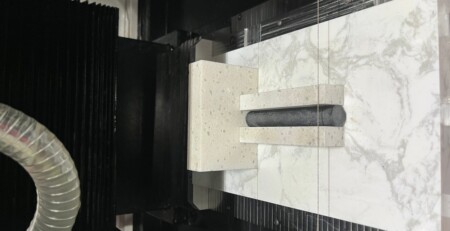
Ceramics are known for their hardness and brittleness, making them challenging materials to cut. Traditional cutting methods often result in chipping, cracking, or uneven edges. However, the diamond cutting wire loop has proven to be an effective solution for cutting ceramics with precision and minimal damage.
1. Electronics Industry
In the electronics industry, ceramics are used in various components, such as insulators, substrates, and capacitors. These components often require precise cutting to fit into intricate designs. The diamond cutting wire loop allows manufacturers to cut ceramics with high precision, ensuring that the components fit perfectly and function as intended.
2. Medical Devices
Ceramics are also widely used in the medical field, particularly in implants and surgical instruments. The biocompatibility and durability of ceramics make them ideal for these applications. However, cutting ceramics for medical devices requires extreme precision to ensure that the final product is safe and effective. The diamond cutting wire loop provides the necessary precision, allowing for the creation of complex shapes and designs without compromising the material’s integrity.
3. Aerospace Industry
In the aerospace industry, ceramics are used in components that require high thermal resistance and durability. Cutting these materials with traditional methods can be challenging due to their hardness. The diamond cutting wire loop offers a solution by providing a clean and precise cut, ensuring that the components meet the stringent requirements of the aerospace industry.
4. Art and Design
Ceramics are also popular in the art and design world, where intricate shapes and designs are often required. The diamond cutting wire loop allows artists and designers to cut ceramics with precision, enabling them to create complex and detailed pieces that would be difficult to achieve with other cutting methods.
Advantages of Diamond Cutting Wire Loop in Ceramic Cutting
The diamond cutting wire loop offers several advantages over traditional cutting methods, making it an ideal choice for cutting ceramics.
1. Precision
One of the most significant advantages of the diamond cutting wire loop is its precision. The wire can be controlled with high accuracy, allowing for intricate cuts and shapes. This precision is particularly important in industries where even the slightest deviation can result in a faulty product.
2. Minimal Material Damage
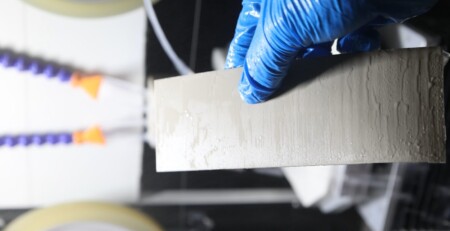
Traditional cutting methods often result in chipping or cracking, especially when cutting hard and brittle materials like ceramics. The diamond cutting wire loop minimizes material damage, resulting in clean and smooth edges. This is crucial in applications where the integrity of the material is essential.
3. Efficiency
The diamond cutting wire loop operates at high speeds, allowing for quick and efficient cutting. This efficiency is particularly beneficial in industries where time is of the essence, such as manufacturing and production.
4. Versatility
The diamond cutting wire loop is versatile and can be used to cut a wide range of materials, including ceramics, glass, and composites. This versatility makes it a valuable tool in various industries, from electronics to aerospace.
5. Durability
The diamond particles on the wire’s surface are incredibly hard and durable, allowing the wire to maintain its cutting efficiency over time. This durability reduces the need for frequent replacements, making the diamond cutting wire loop a cost-effective solution in the long run.
Challenges and Considerations
While the diamond cutting wire loop offers numerous advantages, there are some challenges and considerations to keep in mind.
Cost
The initial cost of a diamond cutting wire loop can be higher than traditional cutting tools. However, the long-term benefits, such as reduced material damage and increased efficiency, often outweigh the initial investment.
Maintenance
The diamond cutting wire loop requires regular maintenance to ensure optimal performance. This includes cleaning the wire and checking for wear and tear. Proper maintenance is essential to extend the tool’s lifespan and maintain cutting precision.
Training
Operating a diamond cutting wire loop requires specialized training to ensure that the tool is used correctly and safely. Proper training is essential to maximize the tool’s potential and avoid accidents.
Future Trends in Diamond Cutting Wire Loop Technology
As technology continues to advance, we can expect to see further improvements in diamond cutting wire loop technology. Some of the trends to watch out for include:
1. Automation
Automation is becoming increasingly prevalent in various industries, and the diamond cutting wire loop is no exception. Automated cutting systems can improve efficiency and precision, reducing the need for manual intervention.
2. Advanced Materials
As new materials are developed, the diamond cutting wire loop will need to adapt to cut these materials effectively. Advances in diamond coating technology and wire materials will play a crucial role in ensuring that the tool remains effective in cutting the latest materials.
3. Sustainability
Sustainability is becoming a key consideration in manufacturing and production. The diamond cutting wire loop’s durability and efficiency contribute to sustainability by reducing material waste and energy consumption. Future developments may focus on further enhancing the tool’s sustainability.
Conclusion
The diamond cutting wire loop has revolutionized the way we cut ceramics, offering precision, efficiency, and durability that traditional cutting methods cannot match. Its applications span across various industries, from electronics to aerospace, making it a valuable tool for high-precision cutting. While there are some challenges and considerations, the benefits of the diamond cutting wire loop far outweigh the drawbacks, making it an essential tool for anyone working with hard materials like ceramics.
As technology continues to advance, we can expect to see further improvements in diamond cutting wire loop technology, making it even more effective and versatile. Whether you’re in the electronics industry, medical field, or aerospace sector, the diamond cutting wire loop is a tool that can help you achieve the precision and efficiency you need to stay ahead in your industry.
Frequently Asked Questions
What is a diamond cutting wire loop?
It is a cutting tool made of high-strength steel wire with diamond particles electroplated or sintered onto its surface. The wire moves in a continuous loop at high speed, and the diamond particles grind through materials that are difficult or impossible to cut with traditional tools.
Why are ceramics difficult to cut?
Ceramics combine high hardness with brittleness, so traditional cutting methods often produce chipping, cracking or uneven edges. The diamond cutting wire loop solves this with a controlled, low-damage grinding action that produces clean, precise cuts.
Which industries cut ceramics with diamond wire loops?
Four main ones: electronics, for insulators, substrates and capacitors; medical devices, for implants and surgical instruments where biocompatibility and precision are critical; aerospace, for components needing high thermal resistance; and art and design, for intricate shapes.
What are the downsides of diamond cutting wire loops?
The initial cost is higher than traditional cutting tools, the wire needs regular cleaning and wear inspection to hold precision, and operators need specialized training. In most production settings the reduced material damage and higher efficiency outweigh these costs over time.
The rapid evolution of 5G telecommunications, electric vehicle (EV) charging infrastructure, and high-frequency power supplies has placed a massive spotlight... read more
Original Ensoll precision-slicing test for magnetic materials using an ESO-GM endless diamond wire saw, with measured TTV, thickness drift, surface... read more
Key Takeaways
Optical glass is engineered for lenses, prisms and filters with precisely controlled refractive index, dispersion and low impurity levels... read more