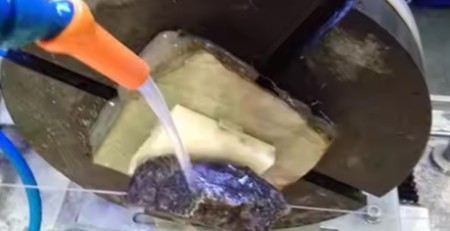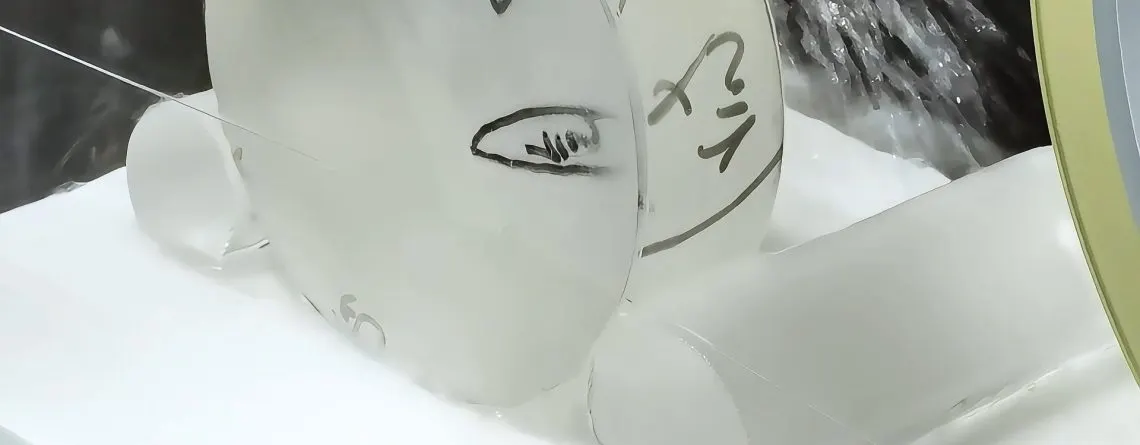
Diamond Looped Wire Saw for Optical Glass
- Diamond looped wire cutting offers high precision and fine operation, essential for manufacturing high-precision optical components such as lenses, prisms and windows.
- Its flexibility handles complex shapes, including non-spherical lenses and other irregular optical components.
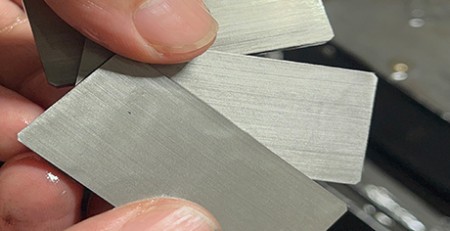
- The process produces high-quality cutting surfaces with reduced burrs and roughness, meeting optical component standards.
- Efficiency and precision keep cutting residues minimal, reducing raw-material waste and improving cost-effectiveness.
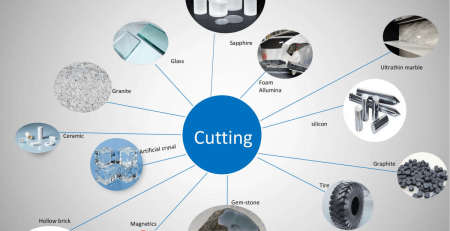
- It works on various optical glass materials — low dispersion, high refractive index, high transparency — and boosts production efficiency in mass production.
Diamond looped wire cutting has vast prospects in the processing of optical glass, and its unique advantages make it a crucial tool in the field of optical glass manufacturing. Here are the prospects of diamond wire cutting in processing optical glass:
High Precision and Fine Cutting: Diamond wire saw cutting, with its highly precise cutting capabilities and fine operation, is suitable for the precise processing of optical glass. This is essential for manufacturing high-precision optical components, including lenses, prisms, and windows.
Flexible Processing of Complex Shapes: Optical glass products often have complex shapes, and the flexibility of diamond wire cutting allows it to adapt to various cutting requirements, including non-spherical lenses and other irregular components.
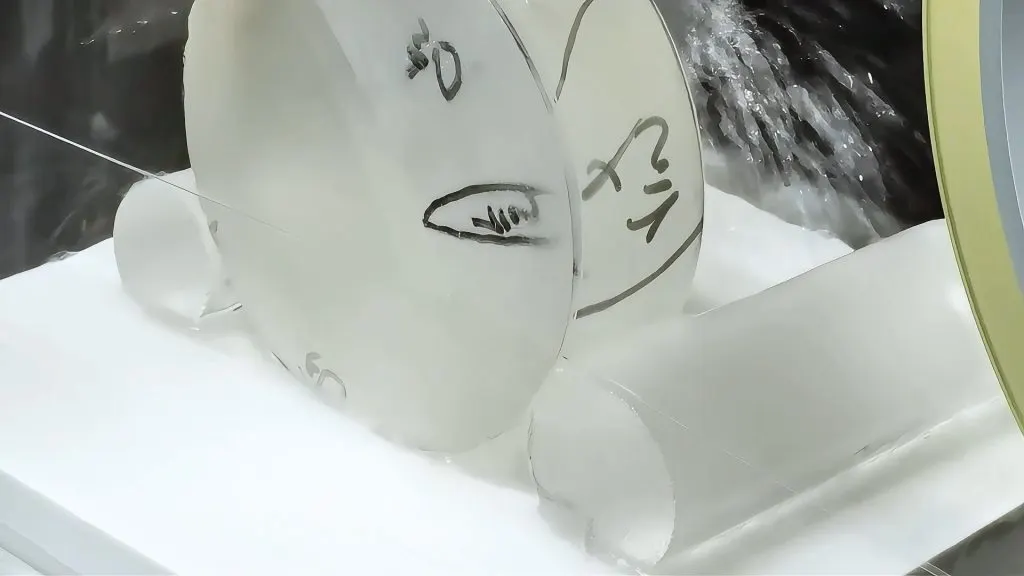
Reduced Material Waste: Due to the efficiency and precision of diamond wire cutting, the generated cutting residues are relatively minimal, helping to reduce waste of raw materials and improve cost-effectiveness.
Applicable to Various Optical Glass Materials: Diamond wire cutting is suitable for processing various optical glass materials, including special optical glasses with low dispersion, high refractive index, and high transparency. This makes it versatile in manufacturing high-performance optical devices.
Increased Production Efficiency: Diamond wire cutting, with its efficient rotating cutting method, significantly improves production efficiency, especially in the mass production of optical components.
In summary, diamond wire cutting has a bright future in processing optical glass, meeting the requirements for high precision, high quality, and efficiency. As technology continues to advance, diamond wire cutting will continue to play a crucial role in the field of optical glass, driving advancements in optical device manufacturing technology.
Frequently Asked Questions
What are the prospects of diamond looped wire cutting in optical glass processing?
Very promising. Its high precision, flexibility with complex shapes, high-quality cutting surfaces, reduced material waste, applicability to various optical glass types, and efficiency in mass production make it a crucial tool for optical glass manufacturing as the technology keeps advancing.
Can diamond wire cutting handle complex optical glass shapes?
Yes. Optical glass products often have complex shapes, and the flexibility of diamond wire cutting adapts to various cutting requirements, including non-spherical lenses and other irregular components that rigid tools struggle with.
Does diamond wire cutting produce good surface quality on optical glass?
Yes. It produces high-quality cutting surfaces with reduced burrs and roughness, ensuring that optical glass components meet the surface quality standards required for lenses, prisms and windows.
Which optical glass materials can be cut with diamond wire?
Diamond wire cutting suits various optical glass materials, including special optical glasses with low dispersion, high refractive index and high transparency, making it versatile for manufacturing high-performance optical devices.
Reviewed by the Ensoll engineering team.