
Machine platforms for diamond wire cutting: single-wire, 多线锯, endless-loop and CNC profilers. This page is the entry point to the material-specific configurations below.
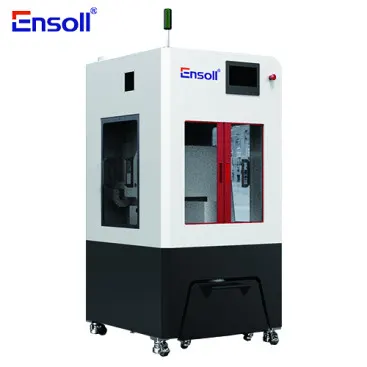
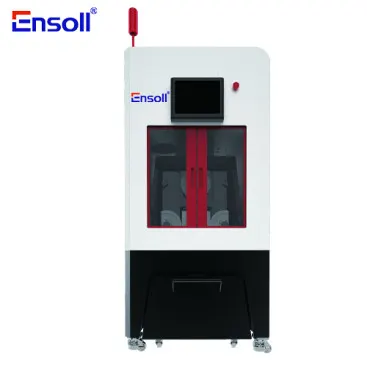
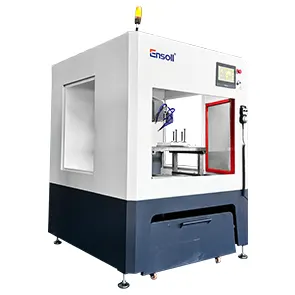
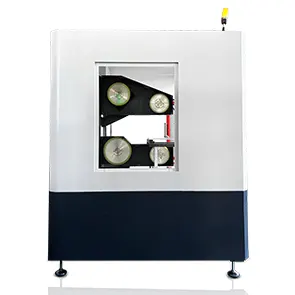
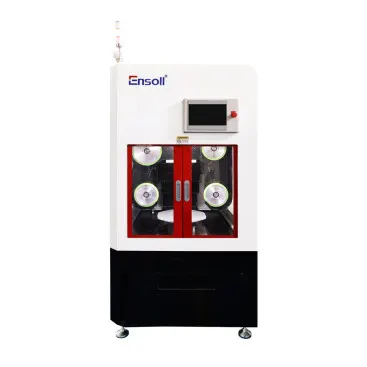
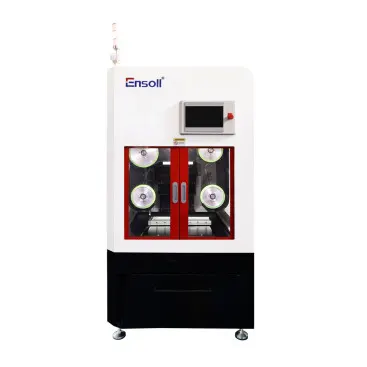
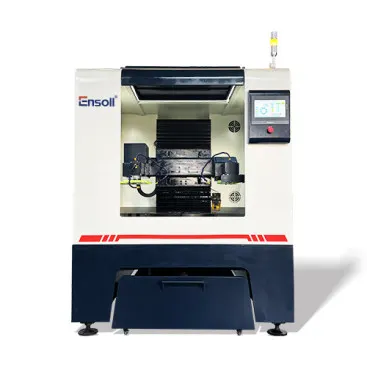
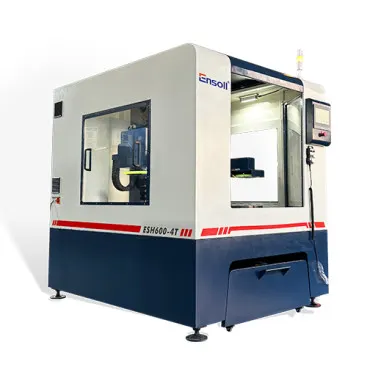
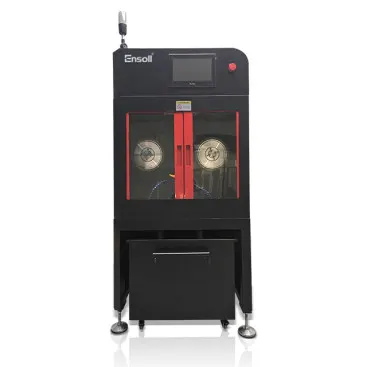
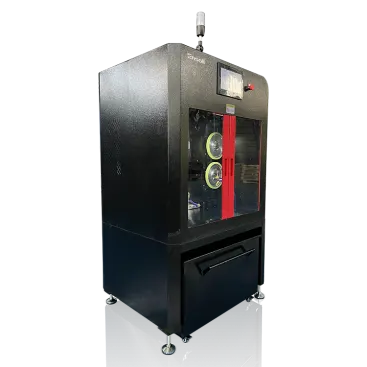

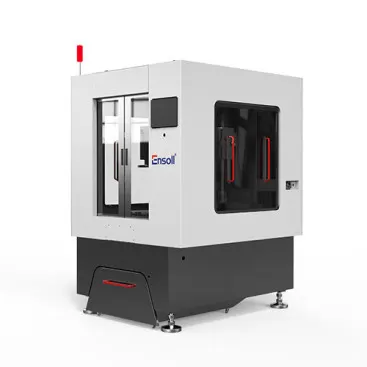
Four machine architectures, four different jobs
"金刚石绳锯" covers machines that share a cutting principle but almost nothing else. Choosing the wrong architecture is the most expensive mistake in this category, because it cannot be fixed by changing the wire.
| Architecture | 最佳用于 | 线材 | Practical limit |
|---|---|---|---|
| Single-wire loop saw | One-off cuts, thick sections, profiling | Endless loop, 0.3–1.0 mm | Throughput — one cut at a time |
| Multi-wire spool saw | Batch slicing of brittle blocks | Open-end, 0.10–0.35 mm | Cannot do contours; jig-bound |
| CNC wire profiler | 2D/2.5D shapes, tapers, 弧形 | Loop or spool, 0.2–0.6毫米 | Cut depth per pass; programming time |
| Special-shaped / 龙门架 | Large panels, tube sections, 复合材料 | Loop, 0.4–1.2 mm | Floor space; workpiece handling |
How to read a machine specification sheet
Most sheets lead with maximum workpiece size and headline feed rate. Neither predicts whether the machine will hold tolerance on your part. The four numbers that do:
- Guide roller runout — a wire saw cannot cut straighter than its guides allow. Sub-10 µm runout is the threshold for optical and wafer work.
- Tension stability under load — ask for the tension droop at rated feed, not the set-point resolution.
- Thermal symmetry — where the heat goes when the machine runs for six hours. Asymmetric frames drift, and drift shows up as taper.
- Wire consumption at rated output — the operating cost that dominates a three-year view.
Matching the machine to the material
The material decides the architecture more than the part size does. Hard and brittle ceramics reward stiffness and small wire; metals and composites reward loop wire with large diameter and high coolant volume; semiconductors reward thermal stability above everything else.
Use the material pages as the starting point: each one carries the wire specification range, the parameter sequence and the inspection points that matter for that material family.
Frequently asked questions
Is a bigger machine always more capable?
不. Larger machines trade stiffness for envelope. 一个 200 mm part cut on a large gantry saw will usually hold worse tolerance than the same part on a small single-wire machine, because the wire span is longer and the frame deflects more under tension.
What decides whether I need a loop or a spool?
Cut length and part count. Loop wire is reused until the abrasive dulls, so it wins on short cuts and one-offs. Spool wire is used once, so it wins wherever consistent surface finish across thousands of cuts matters more than wire cost.
Can I retrofit a rotary table to a 2-axis saw?
Usually not worth it. Adding an axis to a machine whose frame was not designed for the resulting load path produces a machine that is worse than either a proper 4-axis profiler or a dedicated 2-axis saw.