Jade has always been a revered stone due to its beauty and symbolism in various cultures. In this comprehensive guide, we will delve into the intricacies of jade processing, exploring its types, processing methods, and especially focusing on the superior cutting techniques for precious jade, particularly the diamond wire cutting method.
Key Takeaways
Jade is tough but hides internal fractures; cutting decisions are made around the stone’s internal structure.
Diamond wire minimises material loss on expensive rough — kerf width is a direct cost.
Slow, cooled cutting protects colour and translucency.
Understanding the Types of Jade:
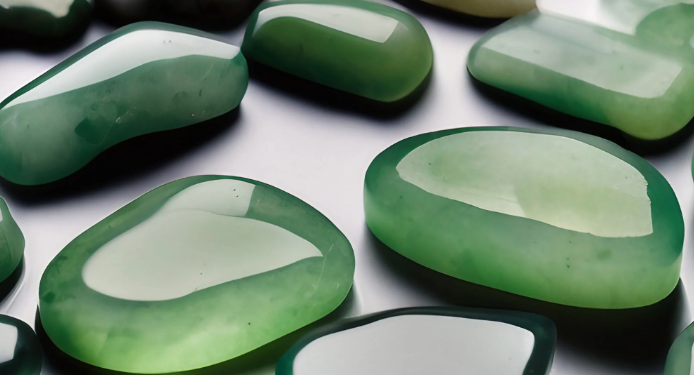
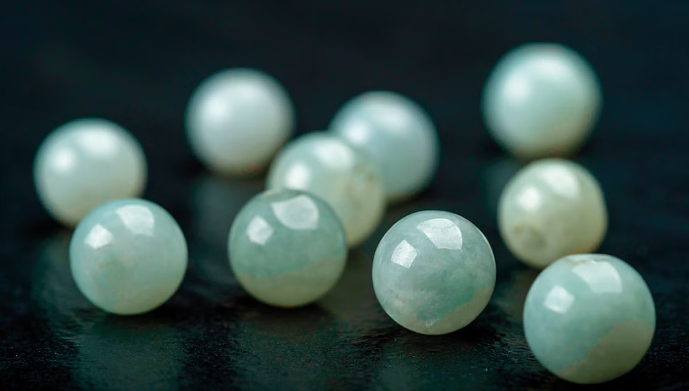
Jade, a gemstone known for its elegance and cultural significance, comes in two primary forms: nephrite and jadeite. Nephrite, a tougher and more common type, varies in color from creamy white to dark green. On the other hand, jadeite is rarer and known for its vibrant colors, including emerald green, lavender, and yellow. Understanding these distinctions is crucial for effective processing.
Processing Methods for Different Types of Jade:
The processing of jade involves intricate techniques tailored to the specific properties of each type. For nephrite, which is dense and tough, traditional methods such as hand carving and abrasion techniques are commonly employed. In contrast, jadeite, with its delicate nature, requires more precision in cutting and polishing processes to enhance its natural brilliance.
Techniques for Processing Precious Jade:
When it comes to processing precious and valuable jade, such as high-quality jadeite, the cutting method plays a pivotal role in determining the stone’s value and beauty. Among various cutting techniques, the diamond wire cutting method stands out as a superior choice for several reasons.
Superior Cutting Technique: Diamond Wire Cutting for Precious Jade:
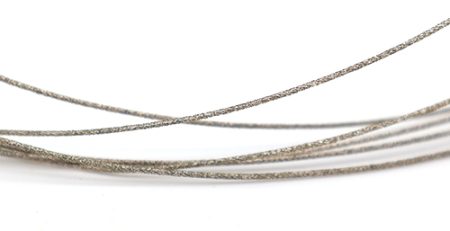
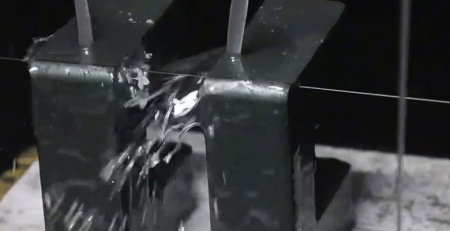
Diamond wire cutting is a sophisticated method that uses a wire embedded with diamond particles to slice through jade with precision and minimal wastage. This technique offers several advantages over traditional methods, making it the preferred choice for processing valuable jade:
Precision: The diamond wire cutting method ensures precise cuts, allowing artisans to create intricate designs and shapes without damaging the stone.
Efficiency: Compared to other cutting methods, diamond wire cutting is faster and more efficient, reducing processing time and costs.
Clean Cuts: The use of diamond wire results in clean cuts with minimal loss of material, maximizing the yield from precious jade stones.
Versatility: This technique can be adapted to cut jade of varying hardness and sizes, making it a versatile option for processing different types of jade.
In conclusion:
Mastering the art of jade processing requires a deep understanding of the characteristics of different types of jade and the application of suitable cutting techniques. For precious jade stones, such as high-quality jadeite, the diamond wire cutting method emerges as the premier choice, offering unparalleled precision, efficiency, and quality in the processing of these valuable gemstones. By combining traditional craftsmanship with modern cutting technologies, artisans can unlock the full beauty and value of jade, ensuring that each piece crafted tells a story of skill, artistry, and timeless elegance.
Frequently Asked Questions
How is jade cut?
With diamond-impregnated wire or a diamond blade. Wire is preferred for expensive rough because the narrow kerf wastes far less material.
Why is jade difficult to cut?
Internal fractures and variable hardness. Heat and vibration open hidden cracks that ruin the piece.
Does cutting jade damage its colour?
Overheating can. Cooled cutting at a controlled feed rate protects colour and translucency.
How much material is lost when cutting jade?
Kerf loss with diamond wire is typically far lower than with a blade, which matters directly when the rough is high value.
Technical content reviewed by the Ensoll engineering team — a diamond wire loop manufacturer with 10+ years of production experience.
Ferrite materials are everywhere in modern technology. From the tiny magnetic components inside your smartphone to the powerful electromagnets in... read more
The optics industry demands extreme precision, whether for wafer-level optics production, microscope slide preparation, or custom optical glass cutting... read more
Wire loop cutting as a new cutting technology using diamond coated wire loop cutting processing:
Advantages of diamond wire loop cutting:
High... read more
Abstract: This application report documents a high-precision straight-slicing test on BG38
glass sheet supplied by a European customer. The workpiece measured... read more
Key Takeaways
Quartz glass (fused silica) is prized for exceptional clarity, high thermal resistance and chemical inertness, making it essential in... read more
In the world of advanced manufacturing, precision cutting of magnetic materials represents one of the most challenging yet crucial processes.... read more