Tungsten Carbide Cutting with Diamond Wire Saw
- Tungsten carbide ranks 9-9.5 on the Mohs scale – only diamond is harder – which makes EDM slow, laser cutting thermally damaging, and abrasive saws quick to wear out.
- A diamond wire saw combines a high-tensile wire embedded with diamond grit, a precision guidance system, coolant and CNC control to grind through tungsten carbide with micron-level accuracy.
- Kerf as low as 0.2 mm maximizes utilization of costly tungsten carbide blanks, and the coolant-cooled process prevents the micro-cracks that thermal methods create.
- Diamond wire lasts significantly longer than abrasive blades, delivering a lower cost-per-cut and supporting high-volume industrial production.
- Key beneficiary industries: tool and die manufacturing, semiconductors and electronics, aerospace and defense, medical devices and renewable energy.
In the world of precision cutting, tungsten carbide (WC) stands as one of the most challenging materials to process due to its extreme hardness and wear resistance. Traditional cutting methods often struggle with efficiency, precision, and tool wear. However, diamond wire saw cutting machines have emerged as a game-changing solution, offering unmatched accuracy and cost-effectiveness in slicing tungsten carbide.
 This blog explores:
✔ Why tungsten carbide is difficult to cut
✔ How diamond wire saw technology overcomes these challenges
✔ Key advantages over traditional cutting methods
✔ Industries benefiting from this innovation
✔ Future trends in diamond wire cutting
Let’s dive in!
Why Tungsten Carbide is a Challenge to Cut
Tungsten carbide is widely used in industrial applications due to its exceptional properties:
– Extreme hardness (9-9.5 Mohs scale) – Only diamonds are harder
– High wear resistance – Causes rapid tool degradation
– Brittleness – Prone to cracking under improper cutting forces
Traditional cutting methods like EDM (Electrical Discharge Machining), laser cutting, and abrasive saws face limitations:
- Slow processing speeds
- High tool wear & replacement costs
- Thermal damage risks
- Limited precision in thin cuts
This is where diamond wire saw cutting machines step in as the superior alternative.
How Diamond Wire Saw Cutting Machines Work
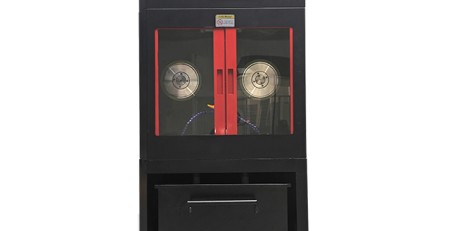
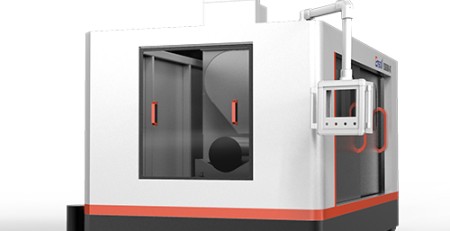
A diamond wire saw cutting machine uses a high-tensile wire embedded with diamond abrasive particles to slice through hard materials with minimal kerf loss and maximum efficiency.
Key Components:
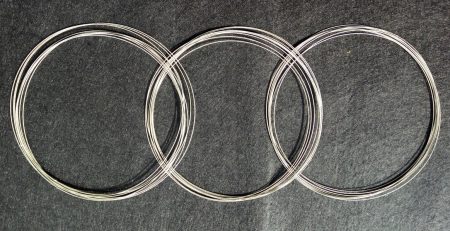
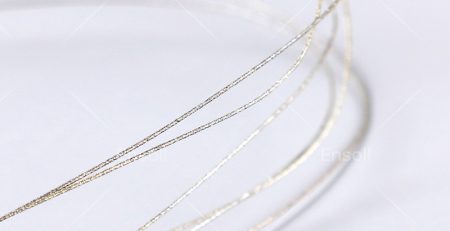
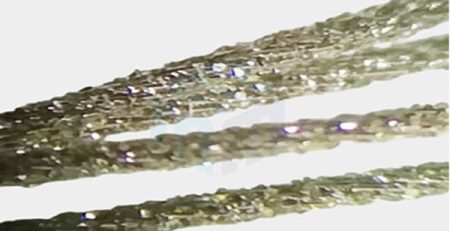
- Diamond-Coated Wire – The cutting medium with synthetic diamond grit
- Wire Guidance System – Ensures precise tension and alignment
- Coolant System – Prevents overheating and extends wire life
- CNC Control – Enables automated, high-precision cuts
Cutting Process:
– The wire moves in a continuous loop at controlled speeds
– Diamond particles grind through the tungsten carbide
– Coolant flushes away debris and reduces friction
– Minimal material waste due to ultra-thin kerf (as low as 0.2mm)
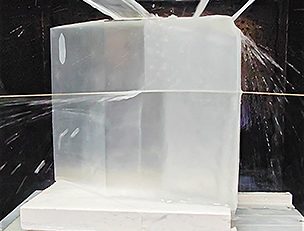
Demonstration video of tungsten carbide cutting
Superior Precision
– Achieves micron-level accuracy in complex shapes
– Ideal for **thin wafers, rods, and intricate geometries
Reduced Material Waste
– Narrow kerf width maximizes material utilization
– Critical for costly tungsten carbide blanks
No Thermal Damage
– Unlike laser or EDM, diamond wire cutting is coolant-cooled, preventing micro-cracks
Longer Tool Life
– Diamond wire lasts significantly longer than abrasive blades
– Lower cost-per-cut compared to traditional methods
Faster Processing
– High-speed cutting reduces production time
– Suitable for high-volume industrial applications
Industries Benefiting from Diamond Wire Saw Cutting
- Tool & Die Manufacturing
– Precision cutting of carbide inserts, end mills, and drills
- Semiconductor & Electronics
– Slicing ceramic substrates and tungsten carbide components for microelectronics
- Aerospace & Defense
– Machining wear-resistant coatings and turbine components
- Medical Device Production
– Cutting surgical tools and implants with ultra-smooth finishes
- Renewable Energy
– Fabricating solar cell cutting wires and hard-facing materials
Future Trends in Diamond Wire Cutting Technology
The evolution of diamond wire saw cutting machines continues with:
- AI & Automation – Smart CNC systems optimizing cut paths
- Thinner & Stronger Wires – Enabling even finer cuts
- Eco-Friendly Coolants – Reducing environmental impact
- Hybrid Cutting Systems – Combining laser guidance for ultra-precision .
Conclusion: Why Diamond Wire Saw is the Future of Tungsten Carbide Cutting
For industries relying on tungsten carbide, diamond wire saw cutting machines deliver:
✔ Higher precision than EDM or laser
✔ Lower operational costs due to extended tool life
✔ Faster production with minimal waste
✔ Superior surface finish without thermal damage
As technology advances, diamond wire cutting will become even more indispensable for high-performance material processing.
Looking for a Diamond Wire Saw Cutting Solution?
At Ensoll, we specialize in advanced diamond wire saw machines tailored for tungsten carbide and other super-hard materials.
Contact us today to discuss your cutting needs!
Frequently Asked Questions
Why is tungsten carbide so difficult to cut?
Tungsten carbide has extreme hardness of 9-9.5 on the Mohs scale, so only diamond is harder. Its high wear resistance causes rapid tool degradation, and its brittleness makes it prone to cracking under improper cutting forces. Traditional methods like EDM, laser cutting and abrasive saws suffer from slow speeds, high tool wear, thermal damage and limited precision on thin cuts.
Last reviewed: September 2026
Can a diamond wire saw cut tungsten carbide without thermal damage?
Yes. Diamond wire cutting is a coolant-cooled process, so unlike laser cutting or EDM it creates no heat-affected zone and prevents the micro-cracks that thermal stress causes. The material’s microstructure and properties remain intact.
What kerf width can a diamond wire saw achieve on tungsten carbide?
The ultra-thin diamond wire produces a kerf as low as 0.2 mm. This minimal material waste is critical when slicing costly tungsten carbide blanks, thin wafers, rods and intricate geometries.
How does diamond wire cutting compare with EDM for tungsten carbide?
Diamond wire cutting is faster, causes no thermal damage, and achieves micron-level accuracy on complex shapes. Unlike EDM, which only works on electrically conductive materials, a diamond wire saw is material-agnostic and can cut any hard, brittle material. Tool wear costs are also lower because diamond wire outlasts conventional tooling.
Which industries use diamond wire saws for tungsten carbide?
Five main ones: tool and die manufacturing for carbide inserts, end mills and drills; semiconductor and electronics for substrates and microelectronic components; aerospace and defense for wear-resistant coatings and turbine components; medical device production for surgical tools and implants; and renewable energy for solar cell cutting wires and hard-facing materials.
Reviewed by the Ensoll engineering team.