Rissfreies Glasbearbeiten: Diamant-Drahtsäge
- Optisches Glas ist spröde und empfindlich gegenüber thermischem Schock; Risse beginnen normalerweise an der Austrittskante des Schnitts.
- Diamantdrahtbearbeitung hält die Schnittkraft niedrig und konstant, produziert rissfreie Kanten.
- Kühlmittel- und Vorschubkontrolle sind weitaus wichtiger als Schnittgeschwindigkeit.
Warum rissfreies Schneiden bei der Bearbeitung von optischem Glas wichtig ist
Optisches Glas, wie SCHOTT B270, N-BK7, und Quarzglas, wird häufig in hochpräzisen Anwendungen wie Kameraobjektiven, Laseroptik, medizinischer Bildgebung, und Luft- und Raumfahrtkomponenten. Aber, Traditionelle Schneidmethoden—wie das Sägen mit Diamantblättern, Laserschneiden, oder Ultraschallbearbeitung—führen oft zu Mikrorissen, Substratschäden, oder thermischen Spannungen. Diese Defekte verschlechtern die optische Leistung, erhöhen die Polierkosten, und führen zu höheren Ausschussraten.
Um eine wirklich rissfreie Bearbeitung von optischem Glas zu erreichen, müssen Hersteller fortschrittliche Schneidtechnologien einsetzen, die mechanische und thermische Schäden minimieren. Hier glänzen Diamantdrahtsägemaschinen, bietet unvergleichliche Präzision und Kantenqualität.
Wie Diamantdraht-Säge-Schneidmaschinen rissfreie Ergebnisse gewährleisten
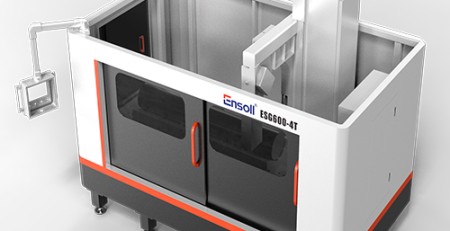
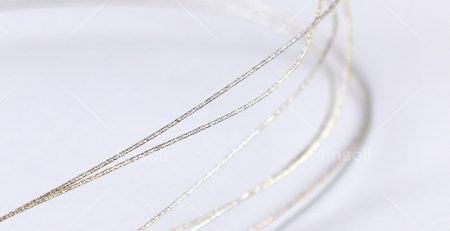
Im Gegensatz zu herkömmlichen Methoden, Diamantdrahtsägemaschinen wird ein dünner, diamantbeschichteter Draht verwendet (typischerweise 0,1–0,3 mm im Durchmesser) der mit hoher Geschwindigkeit unter kontrollierter Spannung läuft. Dieser einzigartige Schneidmechanismus bietet mehrere wesentliche Vorteile für optisches Glas:
1. Ultra-niedrige Subsurface-Schäden
– Herkömmliche Diamantscheiben erzeugen Mikrorisse durch Hochgeschwindigkeits-Schneiden.
– Laserschneiden erzeugt wärmebeeinflusste Zonen (Wärmeeinflusszone), was zu spannungsbedingten Rissen führt.
– Diamantdrahtsägen verwenden eine sanfte abrasive Wirkung, wodurch nahezu keine Untergrundrisse entstehen – entscheidend für Hochleistungsoptik.
2. Superior Surface Finish (Ra < 0.2μm)
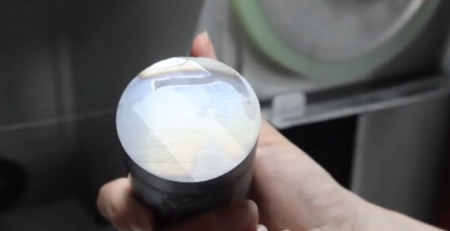
– Der feine Diamantdraht sorgt für eine spiegelartige Kante, wodurch der Bedarf an umfangreichem Polieren reduziert wird.
– Ideal für Linsen, Prismen, und Präzisionsoptik, bei denen Oberflächenrauheit minimiert werden muss.
3. Keine thermische Verzerrung (Kaltschnittverfahren)
– Laser- und Wasserstrahlschnitt erzeugen Wärme, Gefahr von Spannungs-Doppelbrechung und Materialverformung.
– Diamantdrahtsägen arbeiten bei Raumtemperatur, Erhaltung der strukturellen Integrität des Glases.
4. Minimaler Schnittverlust (So niedrig wie 0,15 mm)
– spart teures Optisches Glas Material, verbessert den Ertrag und senkt Kosten.
– Perfekt für Wafer-Optik und Mikrooptik-Arrays, bei denen Materialkonservierung Kreuz istal.
Schnitt-Videodarstellung:
Anwendungen von Diamantdrahtsägen in der Bearbeitung von optischem Glas
- Kameraobjektive & Prismen
– Erfordert gratfreie Kanten zur Vermeidung von Lichtstreuung.
– Reduziert die Nachpolierzeit um 30–50%, senkt die Produktionskosten.
- Teleskopspiegel & Hochpräzisionsoptik
– Erhält enge Toleranzen (±0,02 mm ) für SCHOTT Zerodur und andere niedrig dehnende Gläser.
– Gewährleistet langfristige Haltbarkeit ohne verborgene Risse.
- Halbleiter & Medizinische Optik
– Schnittbreiten von nur 0,15 mm maximieren die Materialausnutzung.
– Keine thermische Schädigung bedeutet höhere Zuverlässigkeit für kritische Bauteile
Warum unsere Diamantdraht-Sägemaschine wählen?
Bei Investitionen in rissfreie Bearbeitung von optischem Glas, our diamond wire saw cutting machine stands out with:
✔ CNC Precision Control – Ensures repeatable, high-accuracy cuts.
✔ Advanced Coolant System – Prevents glass chipping and extends wire life.
✔ Automation Compatibility – Ideal for high-volume production.
✔ Customizable Wire Speeds – Optimized for different glass types (B270, N-BK7, verschmolzene Siliziumdioxid).
Schlussfolgerung: Upgrade to Crack-Free Optical Glass Cutting
For manufacturers of precision optics, diamond wire saw cutting machines deliver:
✅ No subsurface cracks – Stronger, more reliable components.
✅ Superior surface finish – Less polishing, faster production.
✅ Material savings – Narrow kerf reduces waste.
✅ No thermal damage – Preserves optical clarity.
Interested in achieving flawless optical glass cuts? [Contact us today for a free cutting test] and experience the difference of true crack-free machining!
Häufig gestellte Fragen
Wie schneidet man optisches Glas, ohne dass es bricht?
Niedrig, steady cutting force with continuous coolant. Diamond wire machining avoids the point loading that starts cracks.
Warum reißt optisches Glas beim Bearbeiten?
Concentrated stress and local heating. Brittle materials fail at the point of highest tension — usually the exit edge.
Ist eine Diamantdrahtsäge besser als eine Klinge für optisches Glas?
Für Präzisionsarbeiten, ja: kein Absplittern, no thermal shock, and a much narrower kerf.
Benötigt das Schneiden von optischem Glas Kühlung?
Ja. Water-based coolant removes heat and swarf; dry cutting risks micro-cracks that only appear later.
Technische Inhalte geprüft vom Ensoll-Engineering-Team – einem Hersteller von Diamantdraht-Schleifen 10+ Jahre der Produktionserfahrung.