In der Welt der Edelstein- und Hartstoffbearbeitung, Präzision ist nicht nur ein Luxus – sie ist eine absolute Notwendigkeit. Seit Jahrhunderten, Kunsthandwerker und Handwerker haben sich auf traditionelle Methoden verlassen, um wertvolle Materialien wie Jade zu formen und zu schneiden, was oft zu erheblichen Materialverlusten, unebenen Oberflächen, und beeinträchtigter Integrität führt. Hier kommt Diamantdrahtsäge Schneiden, eine revolutionäre Technologie, die die Branche mit ihrer unvergleichlichen Genauigkeit transformiert hat, Effizienz, und Vielseitigkeit. This innovative method leverages the extreme hardness of diamond to slice through even the toughest materials with minimal kerf loss and exceptional surface quality.
In diesem umfassenden Leitfaden, we’ll delve into the fundamentals ofDiamantdrahtsäge Schneiden, explore its specific application in processing jade and other gemstones, and uncover the details that make it the preferred choice for modern lapidaries and manufacturers. Whether you’re a gemologist, a jeweler, or simply fascinated by cutting-edge technology, this article will provide valuable insights into how diamond wire saws are shaping the future of material processing.
Wesentliche Erkenntnisse
Jade covers two different stones — nephrite (tougher, creamy white to dark green) and jadeite (rarer, emerald green, Lavendel, gelb). Each needs a different cutting approach.
Jade’s fibrous, interlocking crystal structure resists impact but splits along hidden internal fractures, so cuts are planned around the stone’s internal structure rather than just its outline.
Typical diamond wire settings for jade: 0.3–0.6 mm wire for delicate work, 0.8–1.2 mm for large slabs, 80–200 mesh grit, and 15–40 m/s wire speed with a slow, steady feed.
Kerf width is a direct cost when the rough is expensive — diamond wire removes far less material than a blade, und langsam gekühltes Schneiden schützt Farbe und Durchsichtigkeit.
Was ist Diamantdrahtsägeschneiden?
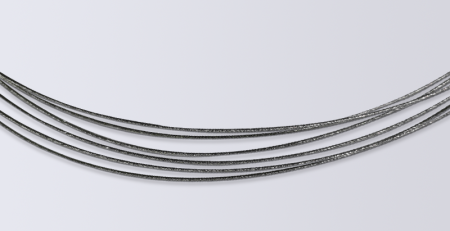
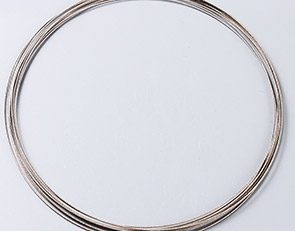
At its core, eine Diamantdrahtsäge ist ein Schneidwerkzeug, das aus einem mehrsträngigen Stahldraht oder -kabel besteht, eingebettet mit diamantbeschichteten Perlen oder Schleifmitteln. Diese Diamantpartikel, typischerweise synthetisch und industrieller Qualität, sind fest mit dem Draht unter Verwendung fortschrittlicher Galvanik- oder Sinterntechniken verbunden. Der Draht bildet eine kontinuierliche Schleife, die von einem motorisierten System angetrieben wird, das ihn mit hoher Geschwindigkeit bewegt und gleichzeitig kontrollierte Spannung anlegt.
Das Prinzip ist einfach, aber genial: während der diamantbeschichtete Draht über das Material gleitet, wirken die Diamantpartikel – der härteste bekannte Stoff auf der Erde – wie mikroskopische Schneidezähne. Sie schleifen das Werkstück mit minimaler Reibung ab, und erzeugen saubere, precise cuts with a remarkably narrow cutting path. This method is fundamentally different from traditional blade saws, which use solid discs or bands with fixed teeth, often causing more vibration, Wärme, and material waste.
Key components of a diamond wire saw system include:
– The Wire: The flexible, diamond-coated core of the system, erhältlich in verschiedenen Durchmessern und Diamantkörnungsgrößen.
– Antriebsmechanismus: Motoren und Riemenscheiben, die den Draht mit gleichmäßigen Geschwindigkeiten antreiben.
– Spannsystem: Sorgt für optimale Drahtdichtigkeit, um Durchbiegen zu verhindern und gerade Schnitte zu gewährleisten.
– Kühlmittelzufuhr: typischerweise wasserbasierte Flüssigkeiten, die Wärme reduzieren, Ablagerungen spülen, und die Lebensdauer der Draht verlängern.
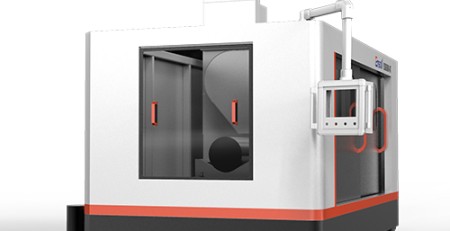
– CNC-Steuerungen (in fortgeschrittenen Modellen): Ermöglicht computergestützte Präzision für komplexe Formen und Muster.
Warum Diamantdrahtsägen in der Verarbeitung von Edelsteinen besonders gut sind
Edelsteine wie Jade, Agat, Rubin, und Saphir, sind berüchtigt schwer zu schneiden wegen ihrer extremen Härte, Sprödigkeit, und ihres Wertes. Traditionelle Sägen, mit ihrer aggressiven Schneidwirkung, erzeugen oft übermäßige Hitze und mechanische Belastungen, was zu Mikrobrüchen führt, Absplitterungen, oder sogar vollständigen Bruch. Diamantdrahtsägen gehen diese Herausforderungen direkt an:
Minimaler Schnittverlust: Der Schneiddraht kann so dünn sein wie 0.2 mm auf 1.2 Mm, dramatische Verringerung von Materialabfällen. Für hochwertigen Jade, bedeutet dies mehr nutzbares Material und höheren Ertrag aus jedem Rohblock.
Superior Surface Finish: Die kontinuierliche, die abrasive Wirkung von Diamantpartikeln erzeugt glattere Schnitte, oft mit weniger nachfolgendem Polieren erforderlich. Dies ist entscheidend für Edelsteine, bei denen die Oberflächenklarheit den Wert beeinflusst.
Reduzierte Wärme- und mechanische Belastung: Die Kombination aus geringer Schneidkraft und effektiver Kühlmittelanwendung minimiert Wärmeentwicklung und Vibrationen, bewahrt die strukturelle Integrität empfindlicher Steine.
Vielseitigkeit beim Schneiden: Diamantdrahtsägen können komplexe Konturen, Kurven, und Geometrien bearbeiten, die mit starren Klingen unmöglich sind, erlaubt künstlerische Freiheit im Edelstein-Design.
Die Kunst und Wissenschaft des Jade-Schneidens mit Diamantdrahtsägen
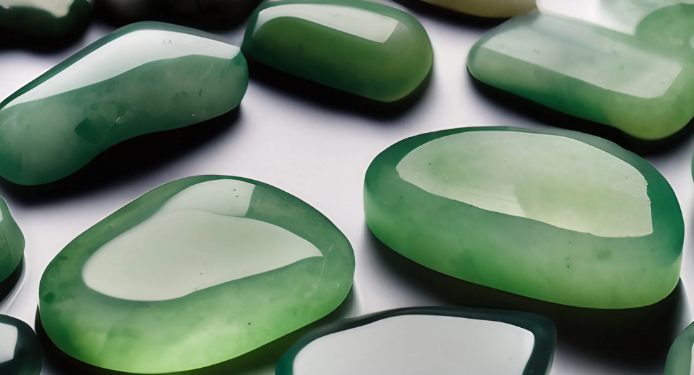
Jade, umfasst sowohl Nephrit als auch Jadeit, ist ein geschätztes Material in vielen Kulturen, wegen seiner Härte geschätzt, leuchtende Farben, und spirituelle Bedeutung. Aber, seine faserige, verzahnte Kristallstruktur macht die Bearbeitung besonders schwierig. Hier ist ein detaillierter Blick darauf, wie Diamantdrahtsägen fachkundig für Jade eingesetzt werden:
1. Materialbewertung und Planung
Jade, umfasst sowohl Nephrit als auch Jadeit, ist ein geschätztes Material in vielen Kulturen, wegen seiner Härte geschätzt, leuchtende Farben, und spirituelle Bedeutung. Aber, seine faserige, verzahnte Kristallstruktur macht die Bearbeitung besonders schwierig. Hier ist ein detaillierter Blick darauf, wie Diamantdrahtsägen fachkundig für Jade eingesetzt werden:
Materialbewertung und Planung
Bevor mit dem Schneiden begonnen wird, wird der rohe Jadeklotz gründlich untersucht. Experten studieren seine Kornstruktur, Farbverteilung, und eventuelle innere Mängel oder Einschlüsse. Mit Markern oder digitaler Bildgebung, planen sie die Schnitte, um die wertvollsten Abschnitte zu maximieren, ob für Cabochons, Perlen, oder Skulpturenstücke. Das Ziel ist es, die Schnitte entlang der natürlichen Kornrichtung auszurichten, um Festigkeit und ästhetische Attraktivität zu verbessern.
Drahtwahl und Einrichtung
Die Wahl des richtigen Drahtes ist entscheidend. Für Jade:
– Durchmesser: werden dünnere Drähte (0.3-0.6 Mm) für feine, präzise Schnitte an kleineren Stücken verwendet, während dickere Drähte (0.8-1.2 Mm) bieten mehr Stabilität für größere Platten.
– Diamantgrit: Fein- bis Mittelkörnungen (zum Beispiel., 80-200 Maschenweite) werden bevorzugt, um Schnittgeschwindigkeit und Oberflächenglätte auszugleichen. Grobkörnungen schneiden möglicherweise schneller, hinterlassen aber tiefere Kratzer.
– Drahtspannung: Richtige Spannung ist entscheidend. Zu locker, und der Draht kann ausweichen, was ungenaue Schnitte verursacht; zu straff, und er kann unter Belastung reißen. Die Bediener passen die Spannung je nach Härte des Jade-Steins und Schnitt-Tiefe an.
3. Der Schneidprozess
Das Jade-Stück wird sicher auf dem Maschinentisch montiert, oft unter Verwendung spezieller Klemmen oder Klebefixierungen, um Bewegung zu verhindern. Der Diamantdraht wird durch vorgebohrte Startlöcher oder um das Werkstück herum geführt. Während die Maschine arbeitet:
– Kühlmittelanwendung: Ein stetiger Kühlmittelstrom (normalerweise Wasser mit Zusätzen) wird auf den Schnittpunkt gerichtet. Dies dient drei Zwecken: Kühlung des Drahts und des Jade-Steins, Entfernung des Schleifschlamms, und die Verbreitung von Staub in der Luft reduzieren.
– Schnittgeschwindigkeit und Vorschubrate: Die Bediener steuern die Drahtgeschwindigkeit (typischerweise 15-40 M/s) und die Vorschubrate, mit der das Jade in den Draht geführt wird. Für Jade, langsamer, gleichmäßige Vorschübe sind üblich, um Überhitzung zu vermeiden und die Kontrolle zu gewährleisten, besonders bei Einschlüsse.
– Überwachung: Während des Schnitts, hören die Bediener auf Änderungen im Geräusch und achten auf Vibrationen, die auf Drahtverschleiß oder das Erreichen einer harten Stelle hinweisen könnten. Moderne CNC-Maschinen automatisieren dies mit Sensoren, die die Parameter in Echtzeit anpassen.
4. Handhabungsherausforderungen
Die ungleichmäßige Härte von Jade kann Herausforderungen darstellen. Bereiche mit unterschiedlichen Mineralzusammensetzungen können mit unterschiedlichen Geschwindigkeiten schneiden. Erfahrene Bediener können die Geschwindigkeit anpassen oder kurzzeitig zur Inspektion pausieren. Einschlüsse oder Risse erfordern besondere Vorsicht; manchmal, Stabilisierungsharze werden vor dem Schneiden aufgetragen, um das Stück zusammenzuhalten.
5. Nachschneiden
Dank des feinen Schnitts, Jadestücke erhalten eine relativ glatte Oberfläche. Aber, Meistens ist eine weitere Bearbeitung erforderlich:
– Reibend: Um kleinere Drahtspuren zu entfernen.
– Schleifen: Mit zunehmend feinen Schleifmitteln.
– Polieren: Mit Diamantpasten oder Oxiden, um den charakteristischen glänzenden Glanz von Jade zu erzielen.
Vorteile gegenüber herkömmlichen Methoden
Im Vergleich zu Diamantsägen oder Schleifwasserstrahlen, Diamantdrahtsägen bieten deutliche Vorteile für Edelsteine:
– Höhere Präzision: Ermöglicht komplexe Designs und dünnere Schnitte.
– Niedrigere Betriebskosten: Reduzierter Materialverlust führt zu erheblichen Einsparungen bei teurem Rohjade.
– Umweltfreundlichkeit: Weniger Abfall und oft leiser Betrieb.
– Vielseitigkeit: Kann auch andere harte Materialien wie Quarz schneiden, Granit, Keramik, und fortschrittliche Verbundwerkstoffe mit gleicher Wirksamkeit.
Best Practices für optimale Ergebnisse
Um die Vorteile von Diamantdrahtsägen beim Schneiden von Jade zu maximieren:
– Regelmäßige Wartung: Regelmäßige Reinigung und Inspektion des Drahtes auf Verschleiß oder Schäden von Perlen. Proaktiver Austausch zur Schnittqualität.
– Kühlmittelmanagement: Sicherstellen, dass das Kühlmittel sauber und richtig gefiltert ist, um Verstopfungen zu vermeiden und effiziente Kühlung zu gewährleisten.
– Bedienerfähigkeit: Investieren Sie in Schulungen. Das Verständnis des Materialverhaltens und der Maschinenbesonderheiten ist der Schlüssel zur Beherrschung des Diamantdrahtschneidens.
– Qualitätsausrüstung: Verwenden Sie Maschinen, die für Edelsteinanwendungen ausgelegt sind, mit stabilen Gestellen und präzisen Steuerungen.
Die Arten von Jade verstehen:
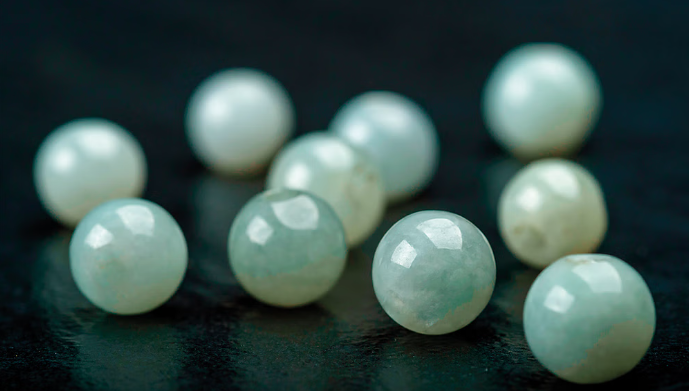
Jade, Ein Edelstein, der für seine Eleganz und kulturelle Bedeutung bekannt ist, Es gibt zwei Hauptformen: Nephrit und Jadeit. Nephrit, ein härterer und gebräuchlicherer Typ, variiert in der Farbe von cremeweiß bis dunkelgrün. Auf der anderen Seite, Jadeit ist seltener und bekannt für seine leuchtenden Farben, inklusive Smaragdgrün, Lavendel, und gelb. Das Verständnis dieser Unterschiede ist entscheidend für eine effektive Verarbeitung.
Verarbeitungsmethoden für verschiedene Arten von Jade:
Die Verarbeitung von Jade erfordert komplizierte Techniken, die auf die spezifischen Eigenschaften der jeweiligen Sorte zugeschnitten sind. Für Nephrit, die dicht und zäh ist, Traditionelle Methoden wie Handschnitzen und Abriebtechniken werden häufig verwendet. Im Gegensatz dazu, Jadeit, mit seiner zarten Natur, erfordert mehr Präzision beim Schneiden und Polieren, um die natürliche Brillanz zu verbessern.
Techniken zur Verarbeitung von kostbarer Jade:
Wenn es um die Verarbeitung von kostbarer und wertvoller Jade geht, wie z.B. hochwertiger Jadeit, Die Schneidmethode spielt eine entscheidende Rolle bei der Bestimmung des Wertes und der Schönheit des Steins. Unter verschiedenen Schneidtechniken, Das Diamantdraht-Schneideverfahren erweist sich aus mehreren Gründen als überlegene Wahl.
Die Arten von Jade verstehen:
Jade, Ein Edelstein, der für seine Eleganz und kulturelle Bedeutung bekannt ist, Es gibt zwei Hauptformen: Nephrit und Jadeit. Nephrit, ein härterer und gebräuchlicherer Typ, variiert in der Farbe von cremeweiß bis dunkelgrün. Auf der anderen Seite, Jadeit ist seltener und bekannt für seine leuchtenden Farben, inklusive Smaragdgrün, Lavendel, und gelb. Das Verständnis dieser Unterschiede ist entscheidend für eine effektive Verarbeitung.
Verarbeitungsmethoden für verschiedene Arten von Jade:
Die Verarbeitung von Jade erfordert komplizierte Techniken, die auf die spezifischen Eigenschaften der jeweiligen Sorte zugeschnitten sind. Für Nephrit, die dicht und zäh ist, Traditionelle Methoden wie Handschnitzen und Abriebtechniken werden häufig verwendet. Im Gegensatz dazu, Jadeit, mit seiner zarten Natur, erfordert mehr Präzision beim Schneiden und Polieren, um die natürliche Brillanz zu verbessern.
Techniken zur Verarbeitung von kostbarer Jade:
Wenn es um die Verarbeitung von kostbarer und wertvoller Jade geht, wie z.B. hochwertiger Jadeit, Die Schneidmethode spielt eine entscheidende Rolle bei der Bestimmung des Wertes und der Schönheit des Steins. Unter verschiedenen Schneidtechniken, Das Diamantdraht-Schneideverfahren erweist sich aus mehreren Gründen als überlegene Wahl.
Schlussfolgerung
Mit dem Fortschritt der Technologie, können wir erwarten, dass Diamantdrahtsägen noch zugänglicher, effizienter, und integraler Bestandteil der Kunst der Edelsteinbearbeitung werden. Für jeden, der mit harten Materialien arbeitet, bedeutet die Anwendung dieser Methode nicht nur, mit Trends Schritt zu halten – es geht darum, neue Kreativitätsstufen freizuschalten, und Qualität, und Nachhaltigkeit.
Häufig gestellte Fragen
Wie wird Jade geschnitten?
Jade wird mit einem mit Diamanten besetzten Draht geschnitten, der in einem kontinuierlichen Kreislauf mit 15–40 m/s läuft. Der Stein wird auf dem Tisch eingespannt oder fixiert, der Draht wird durch ein Startloch oder um das Werkstück herum geführt, und Kühlmittel wird an den Schnittpunkt zugeführt, während der Stein langsam in den Draht vorgeschoben wird.
Warum ist Jade schwierig zu schneiden?
Jade hat eine faserige, ineinandergreifende Kristallstruktur mit ungleichmäßiger Härte und verborgenen inneren Rissen. Stoß und Vibration öffnen diese Risse, und Wärme durch schnelles Schneiden kann die Farbe und Durchsichtigkeit des Steins dauerhaft matt machen.
Schädigt das Schneiden von Jade ihre Farbe?
Überhitzung kann. Schneiden mit einem kontinuierlichen Kühlmittelstrom und einer kontrollierten Vorschubgeschwindigkeit hält die Schneidzone kühl, was sowohl Farbe als auch Transparenz schützt.
Wie viel Material geht beim Schneiden von Jade verloren?
Kerbverlust bei Diamantdraht ist typischerweise viel geringer als bei einer Diamantscheibe – der Draht ist nur 0,3–1,2 mm dick. Bei wertvollem Jadeit-Rohmaterial, ist dieser Unterschied oft mehr wert als die durch eine schnellere Methode eingesparte Schneidzeit.
Welches ist das beste Werkzeug zum Schneiden von Jade?
Eine Diamantdrahtschleife (auch endloser Diamantdraht genannt) ist das bevorzugte Werkzeug für wertvolle Jade. Sie schneidet mit verteilter Abriebwirkung statt mit konzentriertem Scherenschnitt, was die Kanten intakt hält und das Risiko von Bruch entlang innerer Risse reduziert.
Welche Drahtstärke und Körnung sollten für Jade verwendet werden?
Use 0.3–0.6 mm wire for delicate, precise cuts on small pieces and 0.8–1.2 mm for stability on large slabs. Fine to medium diamond grit (around 80–200 mesh) gives the best balance of cutting speed and surface smoothness; coarser grit cuts faster but leaves deeper scratches.
Can jade be cut without fracturing it?
Ja, but the cut has to be planned. Examine the rough for grain direction, colour distribution and internal flaws first, then align cuts with the natural grain. Langsam, cooled feeds with stable wire tension are what prevent fractures from opening during the cut.
Does cutting jade require coolant?
Ja. A steady stream of water-based coolant does three jobs: it keeps the wire and stone cool, spült Schleifschlamm aus dem Schnitt, and suppresses airborne dust.
Technische Inhalte geprüft vom Ensoll-Engineering-Team – einem Hersteller von Diamantdraht-Schleifen 10+ Jahre der Produktionserfahrung.
Wichtige Erkenntnisse
Eine Diamantdrahtsägemaschine schneidet mit einer kontinuierlichen Schleife aus mit Diamanten besetztem Draht, liefert saubere, komplexe Schnitte mit.... mehr lesen
Im sich ständig weiterentwickelnden Bereich der fortschrittlichen Fertigung, Diamant-Drahtschlaufe Schneiden hat sich als transformative Technologie für.. etabliert. mehr lesen
Ensoll ist ein führender Hersteller von Präzisions-Diamantdrahtsägemaschinen in China, mit unserem eigenen R&D-Mannschaft. Unsere Maschinen... mehr lesen
Wichtige Erkenntnisse
Federstahlrohre sind hart und zäh, daher hat die Auswahl der Schneidmethode einen großen Einfluss auf die Schnittqualität, Grat... mehr lesen
Diamant-Drahtschlaufen stellen eine Spitze der Präzision im Bereich der Schneidwerkzeuge dar, unter Ausnutzung der außergewöhnlichen Härte von... mehr lesen
Diamant-Drahtsäge Die Technologie verwendet diamantbeschichtete Drähte für präzises und effizientes Schneiden von Material. Bedeutung liegt in der .... mehr lesen
Diamant-Drahtschlaufe hat sich als bevorzugte Schneidlösung für harten Quarz erwiesen, spröde Materialien wie Ferritkerne herauskristallisiert, Alnico-Magnete,... mehr lesen
Einleitung:
Diamant-Draht ist ein innovatives Schneidwerkzeug, das verschiedene Branchen durch seine Präzision und Effektivität revolutioniert hat. In diesem... mehr lesen
Jade war aufgrund seiner Schönheit und Symbolik in verschiedenen Kulturen schon immer ein verehrter Stein. In diesem umfassenden Leitfaden,... mehr lesen
In der Welt der Präzisionsfertigung, sind nur wenige Prozesse so kritisch wie das Schneiden harter Materialien in dünne, einheitliche Wafer. Ob... mehr lesen

 Was ist Diamantdrahtsägeschneiden?