Diamond Coated Wire Saw: Precision Cutting Guide
- A diamond coated wire saw is a thin wire coated with industrial diamond particles that grinds through hard materials rather than tearing or shearing them; typical wire diameters range from 0.26 mm to 3.0 mm on a high-tensile steel core.
- Each embedded diamond particle acts as an independent cutting point, generating micro-fractures that remove material through brittle fracture propagation and controlled abrasion, keeping vibration and heat low.
- Key applications: stone and marble, glass and ceramics, gemstone and jade processing, semiconductor wafers and ceramic substrates, and jewelry and lapidary work.
- Advantages over conventional methods: narrow kerf conserves expensive material, reduced heat generation, smooth low-vibration operation, the ability to follow curved cutting paths, and clean cuts that need little finishing.
- Wet cutting extends wire life and keeps the cut zone clean, while dry cutting suits water-sensitive materials like turquoise or opal at the cost of shorter wire life; light, even pressure and proper storage prevent wire breakage.
When it comes to cutting hard and brittle materials like stone, glass, ceramics, and gemstones, traditional cutting tools often fall short. They generate excessive heat, cause chipping, or waste valuable material. The diamond coated wire saw solves these problems by offering a flexible, efficient, and precise cutting solution.
This guide explains everything you need to know about diamond coated wire saws, how they work, their applications, and why they outperform conventional cutting methods for demanding materials.
What Is a Diamond Coated Wire Saw?
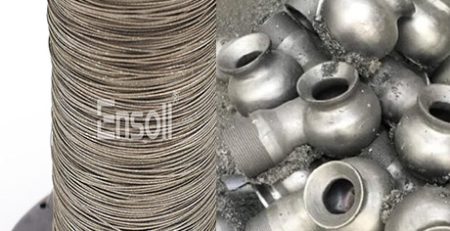
A diamond coated wire saw is precisely what its name suggests—a thin wire that has been coated with industrial diamond particles. The diamond coating acts as the cutting medium, grinding through hard materials rather than tearing or shearing them.
The wire typically ranges between 0.26 mm and 3.0 mm in diameter, allowing operators to choose the right thickness for their specific cutting needs. A high-tensile steel core gives the wire its strength, while the flexible design permits cutting along curves and intricate shapes.
This continuous wire loop travels steadily in one direction, creating a smooth and consistent grinding action. Because diamond is the hardest known material, diamond coated wires can cut through virtually any material that is softer than diamond itself.
How Diamond Coated Wire Saws Work
The cutting mechanism relies on the principle of abrasive grinding. Each diamond particle embedded in the wire coating functions as an independent cutting point. As the wire moves across the workpiece, these diamond particles generate micro-fractures in the material surface, gradually removing material through a combination of brittle fracture propagation and controlled abrasion.
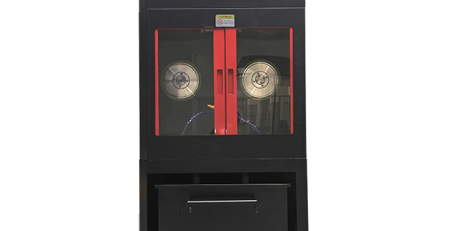
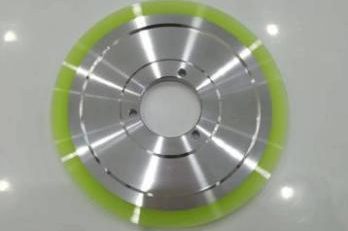
The wire mounts onto a machine with pulleys that maintain proper tension and regulate movement speed. The system can operate in wet or dry cutting modes, though coolant is often used to manage temperature and remove cutting debris from the work zone.
This continuous grinding action keeps vibration low and heat generation minimal compared to traditional saw blades. For delicate materials like jade or crystal, this gentle approach helps prevent cracking and surface damage.
Applications Across Industries
Stone and Marble Cutting
Diamond coated wire saws excel at cutting natural and engineered stones. They handle slab slicing, block shaping, and intricate design work in marble, granite, and limestone. The narrow cutting path creates smooth surfaces while reducing material waste.
Glass and Ceramics
For glass and ceramic materials, diamond wire cutting delivers clean edges with minimal chipping. The low vibration cutting action prevents fracture propagation, making the tool suitable for precision glass panels and specialty ceramic components.
Gemstone and Jade Processing
This is one of the most valuable applications for diamond coated wire technology. Jade, jadeite, agate, and quartz present cutting challenges because of their hardness and tendency to crack. Diamond wire saws cut these materials with high surface quality and minimal material loss.
Traditional jade cutting methods often produce rough surfaces and require extensive finishing work. Diamond wire cutting significantly reduces secondary finishing needs while preserving more of the valuable material through the process.
Semiconductor and Electronics
In high-tech manufacturing, diamond coated wires cut silicon wafers, ceramic substrates, and other electronic materials that require exceptional precision. The fine wire diameter allows extremely thin cuts that preserve expensive semiconductor materials.
Jewelry Making and Lapidary Work
For jewelers and hobbyists, diamond coated wire saws enable detailed cutting of precious metals and gemstones. The ability to cut curves and intricate shapes opens design possibilities not achievable with standard blades.
Advantages Over Conventional Cutting Methods
Material Conservation
The thin wire diameter produces a narrow kerf, meaning less material is turned into sawdust during cutting. For expensive materials like gemstones or semiconductor wafers, this difference represents significant cost savings over time.
Reduced Heat Generation
The grinding action distributes frictional heat across many diamond particles, keeping individual contact points cool. Traditional blades concentrate cutting forces, creating heat-affected zones that can damage sensitive materials.
Smooth Operation
The continuous loop design avoids the vibration issues common with reciprocating saws. Operators experience less fatigue during extended cutting sessions, and workpieces experience less mechanical stress.
Versatile Cutting Paths
Unlike rigid blades that cut only in straight lines, flexible diamond coated wires can follow curved paths. This makes the tool suitable for cutting irregular shapes and patterns that would otherwise require multiple steps with conventional equipment.
Clean Cuts
The grinding action produces cut surfaces that often require little to no finishing work. This eliminates subsequent processing steps, saving time and reducing labor costs.
Wire Diameter Selection Guide
Different applications call for different wire diameters:
- Small Diameter (0.26–5 mm): Ideal for precision work on gemstones, jewelry, small crystals, and thin sections where kerf loss must be absolutely minimized.
- Medium Diameter (0.6–0 mm): Suitable for general lapidary work, glass cutting, ceramics, and smaller stone pieces. These wires balance cutting speed with material preservation.
Wet Versus Dry Cutting
Diamond coated wire saws can operate in both modes, each with distinct advantages.
Wet cutting uses water or coolant to cool the wire and flush away cuttings. This method extends wire life and produces cleaner cuts by keeping the cutting zone free of debris. Many industrial applications use wet cutting for consistent results.
Dry cutting eliminates the need for fluid handling and cleanup. For workshops concerned about environmental impact or working with water-sensitive materials like turquoise or opal, dry cutting is the preferred option. The trade-off is potentially shorter wire life from heat buildup.
Maintaining Diamond Coated Wire Saws
Proper maintenance extends tool life and ensures consistent cutting quality. Keep these practices in mind:
Apply light, even pressure during cutting. Excessive force can break the wire or damage diamond particles. Let the wire do the work.
Follow manufacturer guidelines for wire tension, speed, and cooling. Different materials require different operating parameters.
Store wires properly when not in use. Avoid kinking or bending the wire, which can create weak points that fail during operation.
Use appropriate safety equipment. Eye protection guards against flying debris, and gloves protect hands when handling the wire during setup.
Conclusion
The diamond coated wire saw has earned its place as an essential tool for cutting hard, brittle, and valuable materials. Whether you work in stone fabrication, gemstone processing, semiconductor manufacturing, or jewelry making, this technology delivers results that traditional cutting methods cannot match.
From its flexible loop design to its gentle grinding action, every aspect of the diamond coated wire saw serves the goal of preserving material while achieving clean, precise cuts. As industries continue to demand higher precision and better material utilization, the diamond coated wire saw will remain a cornerstone technology for years to come.
Frequently Asked Questions
What is a diamond coated wire saw?
It is a thin wire coated with industrial diamond particles, where the diamond coating acts as the cutting medium and grinds through hard materials rather than tearing or shearing them. The wire typically ranges between 0.26 mm and 3.0 mm in diameter, with a high-tensile steel core for strength and a flexible design that permits cutting along curves and intricate shapes.
How does a diamond coated wire saw work?
It works by abrasive grinding: each diamond particle embedded in the wire coating functions as an independent cutting point, generating micro-fractures in the material surface as the wire moves across the workpiece. The wire mounts on pulleys that maintain tension and speed, and the system can run wet or dry, with coolant often used to manage temperature and flush away debris.
What materials can a diamond coated wire saw cut?
Because diamond is the hardest known material, the wire can cut virtually anything softer than diamond: natural and engineered stone such as marble, granite and limestone; glass and ceramics; gemstones including jade, jadeite, agate and quartz; silicon wafers and ceramic substrates in electronics; and precious metals and gemstones in jewelry making.
How do I choose the right wire diameter?
Match the diameter to the job. Small diameters starting from 0.26 mm are ideal for precision work on gemstones, jewelry, small crystals and thin sections where kerf loss must be absolutely minimized. Medium diameters around 0.6 mm and above suit general lapidary work, glass cutting, ceramics and smaller stone pieces, balancing cutting speed with material preservation.
Should I cut wet or dry with a diamond wire saw?
Wet cutting uses water or coolant to cool the wire and flush away cuttings, extending wire life and producing cleaner cuts; most industrial applications use it. Dry cutting eliminates fluid handling and is preferred for water-sensitive materials like turquoise or opal, but heat buildup can shorten wire life.
Reviewed by the Ensoll engineering team.