Découpe d'agate avec une boucle de fil diamanté
L'agate, avec ses bandes hypnotiques et ses couleurs vives, est une pierre précieuse qui a captivé artisans et collectionneurs pendant des siècles. Toutefois, unlocking its full beauty requires precise, clean cuts that traditional tools often struggle to achieve. This is where Diamond Wire Loop technology revolutionizes the process. This advanced cutting method provides the accuracy, smooth finish, and material efficiency essential for working with this delicate and valued stone. Dans ce guide complet, we’ll explore why diamond wire loops are the superior choice for agate and detail the step-by-step process for flawless results.
Agate and jade are cut on very similar settings — the jade-specific detail is in comment couper le jade.
 Why Agate Demands Precision Cutting
Agate is a variety of chalcedony, a mineral within the quartz family. With a Mohs hardness rating of 6.5 À 7, it is a hard material. Plus critique encore, its value lies in its intricate internal banding, color patterns, and potential inclusions. A poor cutting technique can:
- Shatter or Chip the Stone: Causing irreversible damage to a unique specimen.
- Create Unsightly Kerf Marks: Leaving a rough, widened cut line that wastes material and requires extensive polishing.
- Generate Destructive Heat: Thermal stress from friction can cause internal fractures, known as “burning” the stone.
Traditional diamond blade saws, while effective for rough sizing, often produce significant vibration and a wider kerf, increasing the risk of damaging agate’s delicate structure. The diamond wire loop method elegantly solves these problems.
La technologie de boucle de fil de diamant: Comment ça fonctionne
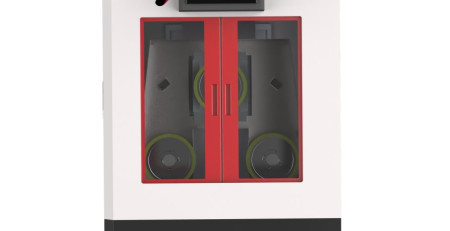
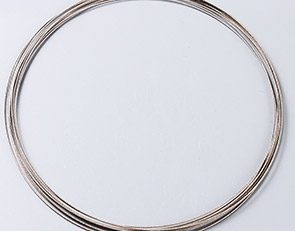
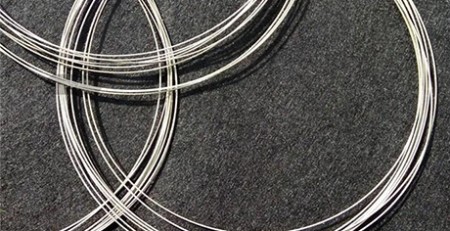
Un Boucle de fil de diamant system is a continuous loop of high-tensile steel wire impregnated with synthetic diamond particles. This loop is threaded through a series of precision guide pulleys and driven by a motor. The key to its effectiveness lies in its minimal contact area and constant, linear cutting motion.
- The Cutting Action: As the wire moves at high speed, the microscopic diamond abrasives on its surface grind through the agate with a gentle, slicing action.
- Largeur de coupe: The wire itself is incredibly thin, typically ranging from 0.2mm to 0.5mm in diameter. This results in an exceptionally narrow cut, sometimes as fine as 0.3mm, which translates to dramatically less material waste—a crucial factor for valuable agate slabs.
- Cooling and Lubrication: The process uses a constant flow of coolant (usually water or a specialized oil). This serves three vital purposes: it keeps the agate and wire cool, flushes away abrasive slurry, and reduces friction.
Step-by-Step: Cutting Agate with a Diamond Wire Loop
Obtenir des tranches parfaites d'agate nécessite une préparation et une exécution minutieuses. Suivez ce flux de travail professionnel:
1. Évaluation du matériau & Planification
- Examinez le brut: Étudiez attentivement le nodule ou la tranche d'agate brute. Utilisez une source de lumière puissante pour identifier la direction des bandes, les zones les plus colorées, et tout défaut ou cavité caché.
- Marquage de la ligne de coupe: À l'aide d'un marqueur ou d'un traceur étanche, dessinez votre ligne de coupe précise sur la surface de la pierre. L'objectif est de trancher perpendiculairement aux bandes pour mettre en valeur le motif complet sur la face de la tranche.
2. Installation de la machine & Sélection du fil
- Spécification du fil: Pour l'agate, un fil avec un grain de diamant fin à moyen (Par ex., 80-220 maille) est idéal. Il offre un bon compromis entre vitesse de coupe et obtention d'une finition de surface lisse.
- Tension: La tension correcte du fil est cruciale. It must be tight enough to cut straight but not so tight it risks breaking. Refer to your machine’s manual for optimal settings.
- Securing the Workpiece: Mount the agate securely in the vise or holding fixture. Ensure it is perfectly aligned so the cut will follow your marked line. Vibration is the enemy of a clean cut.
3. The Cutting Process
- Start the Coolant Flow: Begin the coolant pump before starting the wire to ensure immediate lubrication.
- Initiate the Cut: Start the machine at a low feed rate, allowing the wire to establish a clean entry groove.
- Monitor the Operation: Listen to the sound of the cut. A steady, smooth hum is ideal. Any chattering or change in pitch may indicate the wire is dulling, the tension is off, or the feed rate is too high. Patience is key; a slower, controlled feed will yield a superior finish.
The Unmatched Benefits for Agate
- Maximized Material Yield: The hair-thin kerf allows you to get more usable slabs from a single piece of rough agate.
- Superior Surface Quality: Cuts are straighter and smoother, significantly reducing the time and effort needed for subsequent lapping.
- Preservation of Integrity: The low-vibration, low-heat process minimizes the risk of creating hidden fractures, preserving the agate’s natural strength and clarity.
- Design Flexibility: The thin wire can be used for straight cuts or gentle curves, offering more creative freedom than rigid blades.
Conclusion
For the serious lapidary artist, geologist, or jeweler, investing in diamond wire loop technology is a game-changer for processing agate. It elevates the craft from risky guesswork to a precise, repeatable science. En minimisant les déchets, en protégeant l'intégrité de la pierre, et en fournissant des surfaces prêtes à polir, cela vous permet de révéler de manière constante l'art caché et impressionnant dans chaque morceau d'agate. À mesure que cette technologie devient plus accessible, elle établit une nouvelle norme de qualité et d'efficacité dans pierre précieuse le traitement.