Corte Solar de Filme Fino: Loop de Fio de Diamante Sobressai
- Materiais fotovoltaicos de película fina como CdTe, CIGS e a-Si, necessitam de corte preciso que evite danos térmicos e mecânicos.
- O corte com fio de diamante supera lasers e lâminas em pilhas de película fina frágil: é um processo frio, de continuidade estreita com bordas limpas.
- O corte com fio de diamante é aplicado em módulos CdTe, painéis CIGS e de silício amorfo, e é posicionado como o futuro do corte avançado de PV.
A indústria da energia solar continua a evoluir com tecnologia fotovoltaica de película fina avançada (PV) oferecendo maior eficiência e menores custos de produção. Entre estes, Telureto de Cádmio (CdTe), Seleneto de Cobre, Índio e Gálio (CIGS), e Silício Amorfo (a-Si) destacam-se como materiais chave para painéis solares de próxima geração.
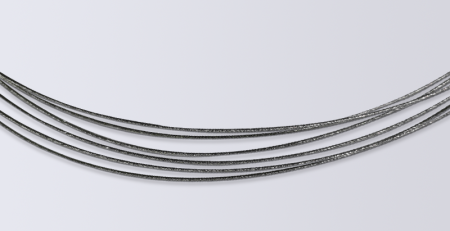
Contudo, a fabricação de células solares de película fina de alto desempenho requer corte de precisão para minimizar desperdício de material e manter a integridade estrutural. Enquanto diversos métodos de corte existem, laço de fio de corte de diamante a tecnologia surgiu como a solução mais eficiente para semicondutores de filme fino.
 Este blog explora:
✔ Porque os materiais solares de filme fino necessitam de corte de precisão
✔ Comparação de tecnologias de corte
✔ Porque o fio de corte de diamante é a melhor escolha
✔ Aplicações na indústria e tendências futuras
O stock de filme fino falha pelo mesmo motivo que as pastilhas finas — veja as notas de rendimento em processo de corte de pastilhas.
Porque os Materiais Solares de Filme Fino Necessitam de Corte de Precisão
As células solares de filme fino são significativamente mais finas (1–4 µm) do que as tradicionais wafer de silício, tornando-as mais desafiadoras de cortar sem danificar. Os principais desafios incluem:
- Requisito de Perda de Corte Mínima
– Os materiais de filme fino são caros; a redução de desperdício é crítica para a eficiência de custos.
– As serras tradicionais criam >200 perda de corte de µm, enquanto os loops de fio de diamante conseguem <100 µm.
- Acabamento de Borda de Alta Qualidade Necessário
– Bordas irregulares reduzem a eficiência das células devido ao aumento das perdas por recombinação.
– O corte a laser pode causar danos térmicos, degradando o desempenho.
- Escalabilidade para Produção em Massa
– A fabricação de painéis solares de filme fino requer corte de alto rendimento sem sacrificar a qualidade.
Tecnologias de Corte para Materiais Solares de Filme Fino
| Método | Vantagens | Desvantagens | Melhor Para |
| Gravação Mecânica | Baixo custo | Alta taxa de quebra | R de laboratório&D |
| Corte a Laser | Alta precisão | Zona afetada pelo calor (HAZ) | Produção em pequena escala |
| Corte Ultrassónico | Stress mínimo | Velocidade de processamento lenta | Substratos flexíveis |
| Fio de corte de diamante Loop | Sem ZHT (Zona Afetada pelo Calor), alta velocidade, perda de canaleta baixa | Maior investimento inicial | Produção em Massa |
Porque o Laço de Fio de Diamante Supera Outros Métodos
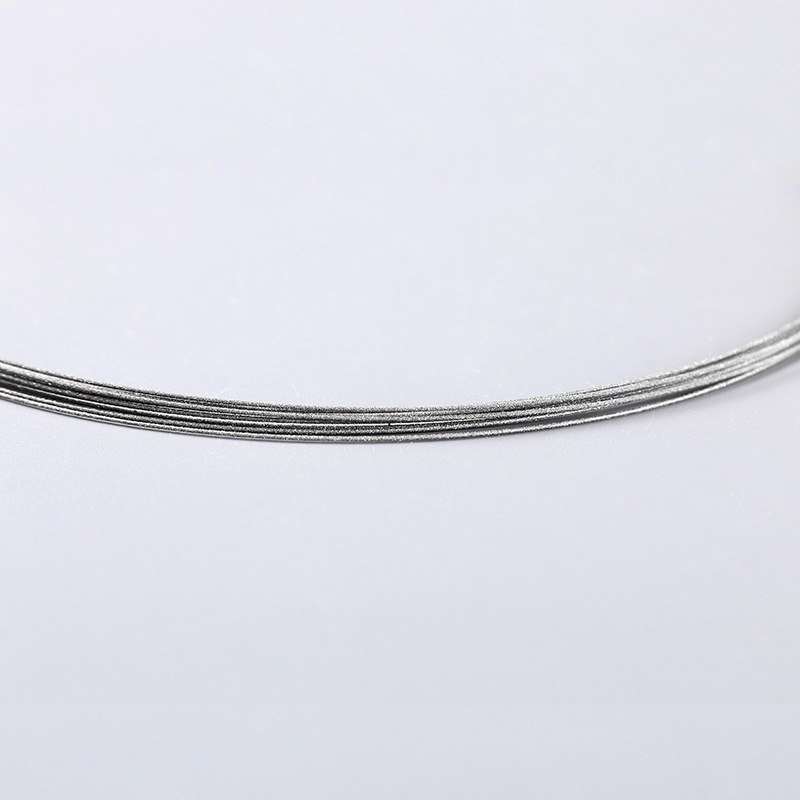

– Alcança largura de canaleta de 50–80 µm, preservando mais material ativo.
– 30% maior rendimento de material versus. métodos a laser/mecânicos.
- Processo de corte a frio (Sem Danos Térmicos)
– Ao contrário dos lasers, os laços de fio de diamante não geram calor, prevenindo:
– Fissuras de tensão térmica em CdTe
– Delaminação de camadas em CIGS & a-Si
3. Qualidade Superior de Borda
– Rugosidade da Superfície <0.5 µm (vs. 2–5 μm com lasers).
– Bordas mais suaves = maior eficiência da célula (até 1.5% ganho).
4. Produção em alta velocidade
– Sistemas automatizados de fios reduzem o tempo de inatividade.
5. Custos operacionais mais baixos
– Sem polpas consumíveis (Ao contrário das serras abrasivas).
Aplicações na Fabricação de Solar de Filme Fino
1. Módulos Solares CdTe
– Desafio: O CdTe é frágil e sensível a tensão térmica.
– Solution: Os laços de fio diamante fornecem limpeza, cortes sem fissuras para produção de painéis CdTe de alto rendimento.
2.Células Solares Flexíveis CIGS
– Desafio: Risco de delaminação durante o corte.
– Solution: Fio de diamante de baixa tensão impede a separação de camadas.
3. Painéis de filme fino a-Si
– Desafio: Baixa resistência mecânica leva a defeitos nas bordas.
– Solution: Fios de diamante polidos garantem suavidade, sem defeitos.
Tendências Futuras: Loops de fio diamantado em PV avançado
- Wafers mais finos (0.5–1 μm) – Tecnologia de fios diamantados está a adaptar-se para filmes ultrafinos.
- AI-Optimized Tension Control – Further reducing breakage rates.
Conclusão: Diamond Cutting Wire Loop is the Future
For thin-film solar materials (CdTe, CIGS, a-Si), diamond cutting wire loop technology delivers:
✅ Highest material yield (lowest kerf loss)
✅ No thermal damage (critical for thin films)
✅ Production-scale speeds
✅ Long-term cost savings
As the solar industry shifts toward higher-efficiency thin-film PV, manufacturers adopting diamond wire cutting will lead in quality, eficiência, and profitability.
Perguntas Frequentes
Why do thin-film solar materials need special cutting methods?
Thin-film stacks are layered and brittle. Heat or excessive force causes delamination and cracking that directly reduce module efficiency.
Can diamond wire loop cut CdTe and CIGS materials?
Sim. A sua ação de micromoagem a frio é bem adequada para semicondutores compostos frágeis e produz arestas limpas sem zona afetada pelo calor.
Corte de filmes finos: fio de diamante versus laser?
O corte a laser apresenta riscos de delaminação e danos térmicos em estruturas em camadas de filmes finos, enquanto o fio de diamante proporciona arestas sem danos com qualidade de produção.
Conteúdo técnico revisto pela equipa de engenharia da Ensoll — um fabricante de laços de fio de diamante com 10+ anos de experiência em produção.