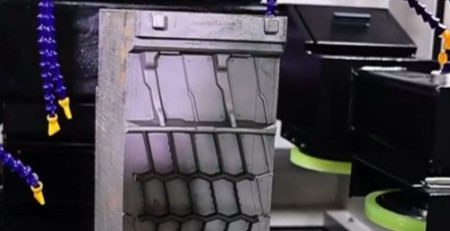
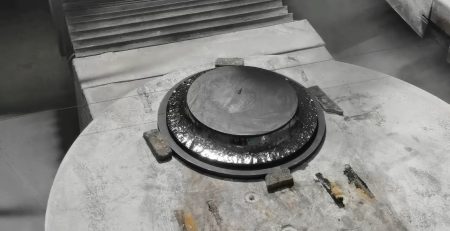
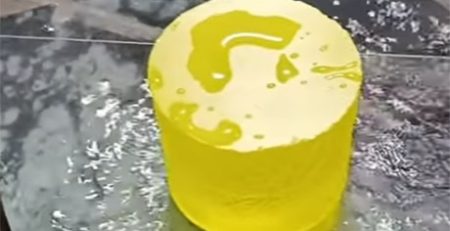
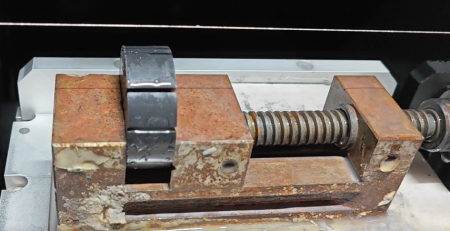
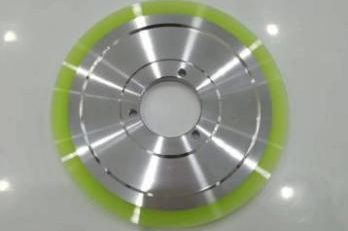
Corte de Folhas de Vidro BG38 com Laço de Fio de Diamante: 5 Dados de Teste em mm
Abstrair: This application report documents a high-precision straight-slicing test on BG38
glass sheet supplied by a European customer. A peça de trabalho mediu 86 mm x 60 mm x 1 mm and was cut into strips
de 5 mm x 60 mm x 1 mm numa máquina de corte por fio de diamante em pórtico ESO-GM, using
cutting oil as the cooling medium and a fully coated diamond wire. Measured results: variação total de espessura
(TTV) 0.003-0.020 milímetro (média 0.014 milímetro), tolerância de espessura ±0,027 mm, surface roughness Ra 0.63-0.76 μm,
and maximum edge chipping 5.1-6.5 μm. Matching the machine structure, the oil cutting method and the process
parameters to the brittle behaviour of BG38 glass kept material removal stable and held strip dimensional accuracy
and cut-surface quality within a workable range.
Principais Conclusões
- BG38 is a hard, brittle glass with low fracture toughness, so the risk in wire slicing is edge chipping,
micro-cracking and thickness scatter rather than tool wear. - An 86 mm x 60 mm x 1 mm sheet was sliced into 5 mm x 60 mm x 1 Tiras de mm numa laçada de fio diamantado ESO-GM
máquina, com óleo de corte e um fio de diamante totalmente revestido. - Ao longo das três tiras: TTV 0.003-0.020 milímetro (mean 0.014 milímetro), tolerância de espessura ±0,027 mm, Ra 0.63-0.76 μm,
maximum chipping 5.1-6.5 μm. - A amostra S02 manteve TTV a 0.003 milímetro, pelo que a máquina e o conjunto de parâmetros têm claramente a capacidade; a dispersão
entre os pontos de repetibilidade da configuração em vez do processo de corte. - Duas das três tiras ficaram finas (Para -0.027 milímetro). Isso é um deslocamento sistemático, e pode ser retirada com
compensação dimensional na próxima passagem.
Teste de amostra para um cliente europeu | Processo de corte em laço de fio diamante
Visão geral do Teste de Corte em Folha de Vidro BG38
Este teste foi realizado numa chapa de vidro BG38 fornecida por um cliente europeu, com alta precisão reta
corte como principal requisito. BG38 pertence à família de vidros duros, frágiles: dureza é bastante elevada,
brittleness is pronounced and fracture toughness is low. Under the continuous abrasion of diamond grains, corte
load and local heat build-up can concentrate stress inside the material, which is how chipping, micro-fissuras, an
uneven cut face and strip dimensional deviation appear. The work therefore focused on matching machine stability,
cooling and lubrication, and the cutting parameters, so that load fluctuation and thermal effects through the cut
stayed low and the strip dimensions and cut-surface quality met the requirement set for
corte óptico de vidro.
Because of what BG38 glass demands in cutting stability, dimensional accuracy and edge integrity, Ensoll applied
a diamond wire solution matched to glass machining. On the machine side, a dedicated gantry diamond wire loop
cutting machine was used, whose rigidity and running stability give the workpiece a firm clamping base and the wire
a steady path, cutting down the effect of machine vibration and motion error on the cutting trajectory and on strip
dimensions. On the consumable side, a diamond wire suited to glass keeps the abrasive grains removing material at a
steady rate, so wire wear does not show up as a change in strip dimensions. On the cooling side, óleo de corte
lubricates and cools the contact zone between wire and glass, which holds friction heat and its effect on the cut
face and edge in check. Wire running speed and feed rate were then adjusted against the properties of the BG38 sheet
and the target strip size, keeping the cutting load in a suitable band and reducing the local damage and edge
breakage that an excessive instantaneous load causes. Matching machine, fio, cooling conditions and parameters as
one set kept the slicing process stable and brought strip dimensional accuracy, consistência da espessura, cut-face
quality and edge integrity under control — a workable process basis for high-precision straight slicing of
BG38 glass sheet.
1. Test Object: Informação Básica
- Material: BG38 glass sheet
- Dureza: aproximadamente MH 6.5
- Dimensões da peça de trabalho: 86 mm x 60 mm x 1 milímetro
- Dimensões de corte: 5 mm x 60 mm x 1 milímetro
2. Seleção de Máquina e Fio
Tipo de máquina: ESO-GM. Given the brittleness of BG38 glass and the high-precision straight
slicing requirement, A Ensoll selecionou a ESO-GM, the gantry machine
suited to glass machining. It holds running stability and trajectory accuracy through the cut, reduces the effect of
machine vibration and cutting-load fluctuation on machining quality, limits the chipping, micro-cracking and
dimensional deviation that uneven loading would otherwise produce, and so improves dimensional accuracy, cut-surface
quality and edge integrity in BG38 strips.
- Tipo de fluido de corte: óleo de corte. Cutting oil is used as the cooling and lubricating medium. It
improves heat dissipation and lubrication in the cutting zone, lowers friction and heat build-up through the cut,
and reduces the thermal and local stress variation the BG38 sheet sees. That lowers the risk of chipping,
micro-cracks and cut-face damage, which helps dimensional stability, surface quality and edge integrity. - Tipo de fio: totalmente revestido. A fully coated diamond wire raises the bond strength between grains
and the steel core and keeps grain distribution even, so the wire removes material continuously and steadily
through the cut. It reduces the effect of grain pull-out and wire wear on the cutting state, which limits
dimensional variation and edge damage in BG38 slicing.
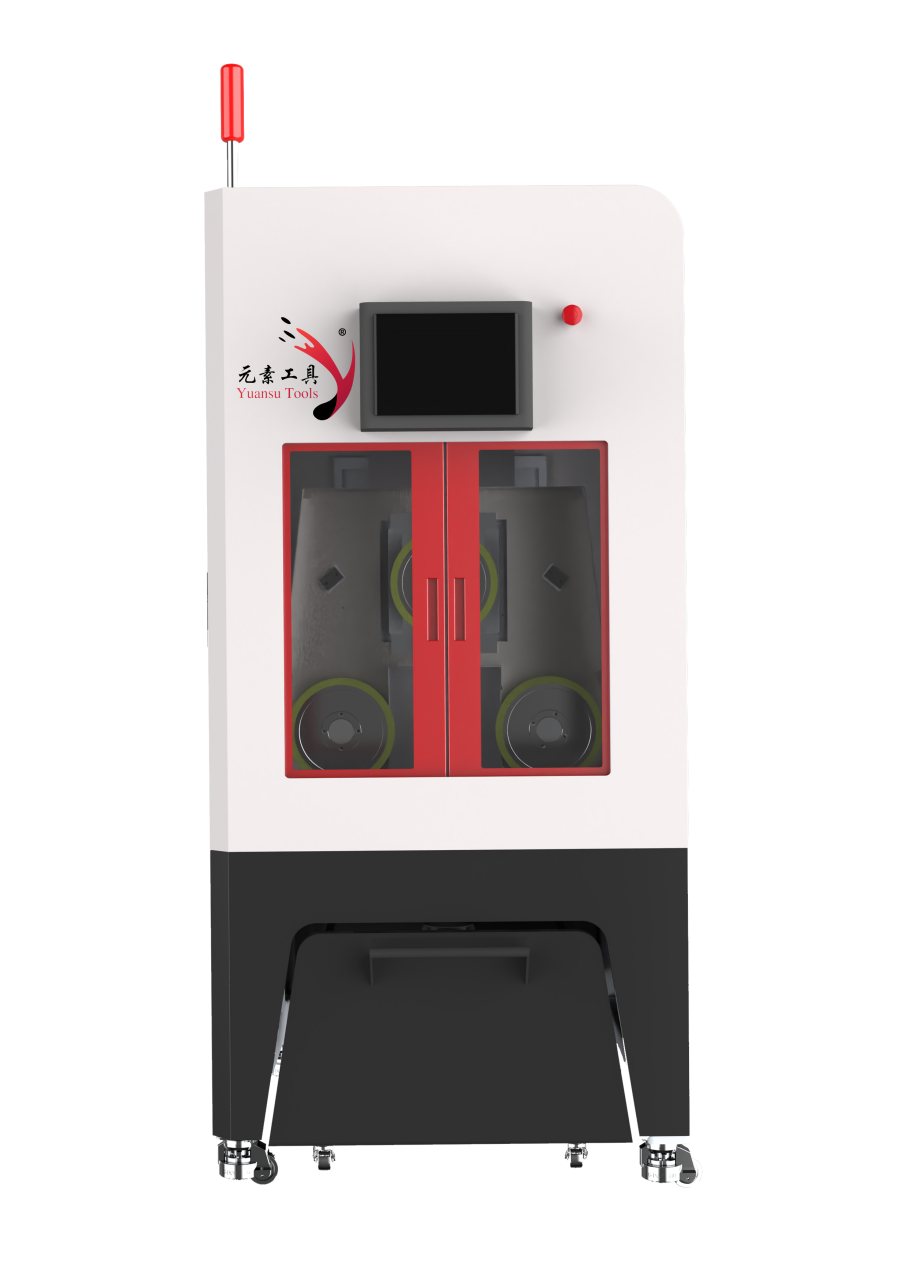
3. Método de Corte e Vantagens da Máquina
Gantry cutting method. The gantry structure gives the machine high overall rigidity and running
estabilidade, and the top-down vertical feed helps keep the Loop de fio de diamante on a stable
path, reducing the effect of load variation on kerf position and dimensional accuracy in BG38 strips. The machine
also carries a mist extraction system that clears the oil mist produced during cutting, keeping the work zone clean
and the cutting area in good condition.
Sistema inteligente de controlo de tensão. The system adjusts wire tension in real time according to
the machining state and supports both constant-tension and variable-tension modes, so the wire runs steadily
through the cut. Stable tension reduces trajectory fluctuation and limits the uneven local loading and wire-break
risk that tension variation brings, which cuts down the chipping, micro-cracks and dimensional deviation seen in
BG38 strips and improves consistency across the batch.
Breakpoint resume. If the wire breaks or the machine stops abnormally, the system records the
current cutting position and the associated running state. After a wire change the cut resumes from that position,
which reduces the dimensional deviation and material loss that re-positioning and repeat cutting cause, keeps strip
processing continuous, and limits kerf quality variation.
High-rigidity one-piece cast iron frame. The one-piece cast iron frame raises overall stiffness
and vibration resistance, lowering the effect of structural vibration and long-term micro-deformation on the wire
path. For a hard, brittle material such as BG38 glass, that rigidity reduces vibration and load fluctuation during
the cut, mantém o percurso do fio e o estado de corte estáveis, and limits chipping, micro-cracks and kerf surface damage
caused by local load changes. It gives the dimensional accuracy and kerf quality of precision slicing a stable
machine basis.
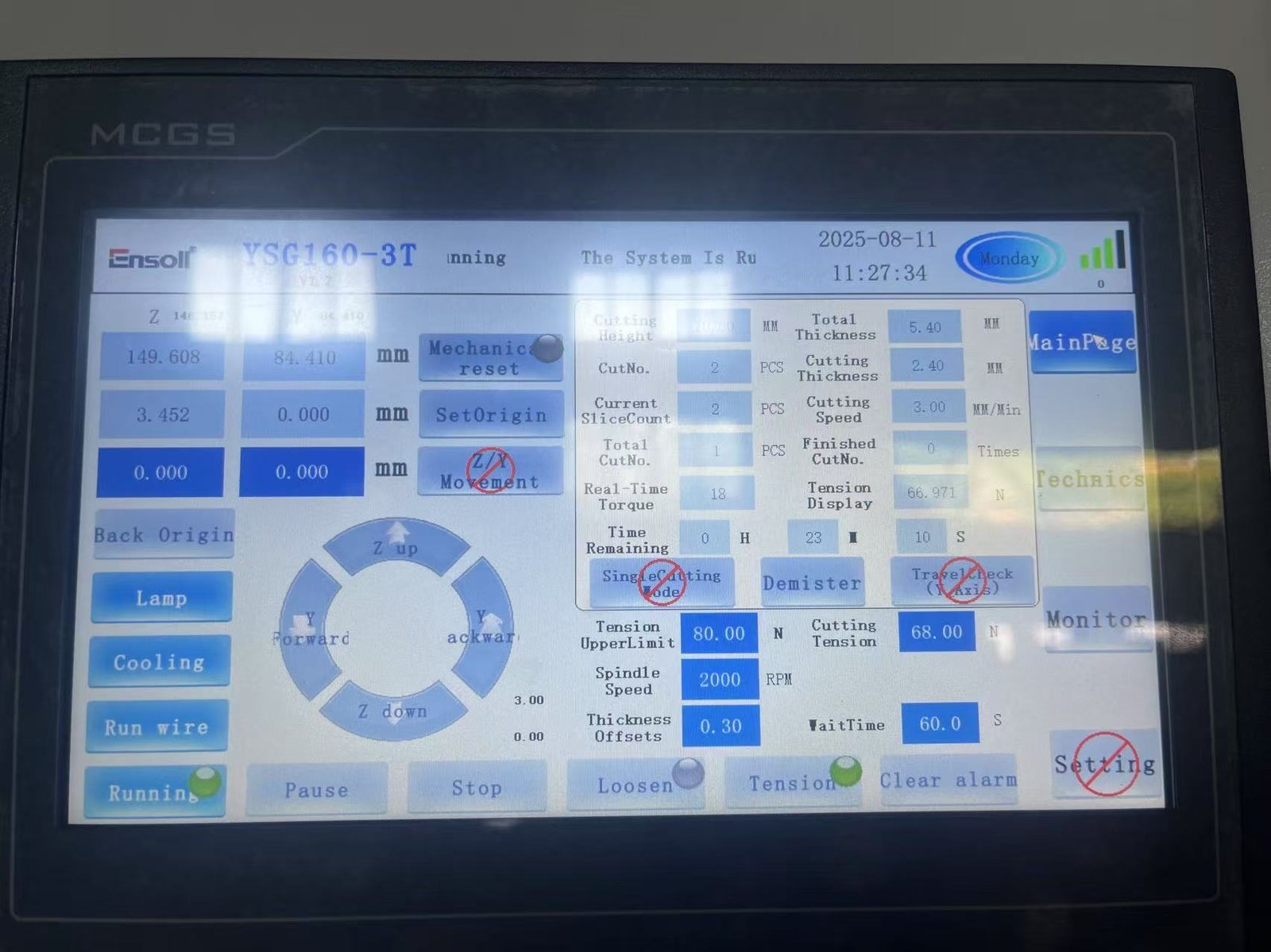
4. Definições de Parâmetros e Método de Arrefecimento
| Parâmetro | Valor |
|---|---|
| Diâmetro do fio (milímetro) | 0.25 x 1880 |
| Velocidade de deslocamento do fio (mm/min) | 3 |
| Largura de corte (milímetro) | 1 |
| Tensão do fio de corte (N) | 68 |
| Velocidade do fio (M) | 24 |
| Tempo do arco do fio (s) | 60 |
| Carga de corte (N·m) | 18 |
5. Eficiência de Corte e Resultados
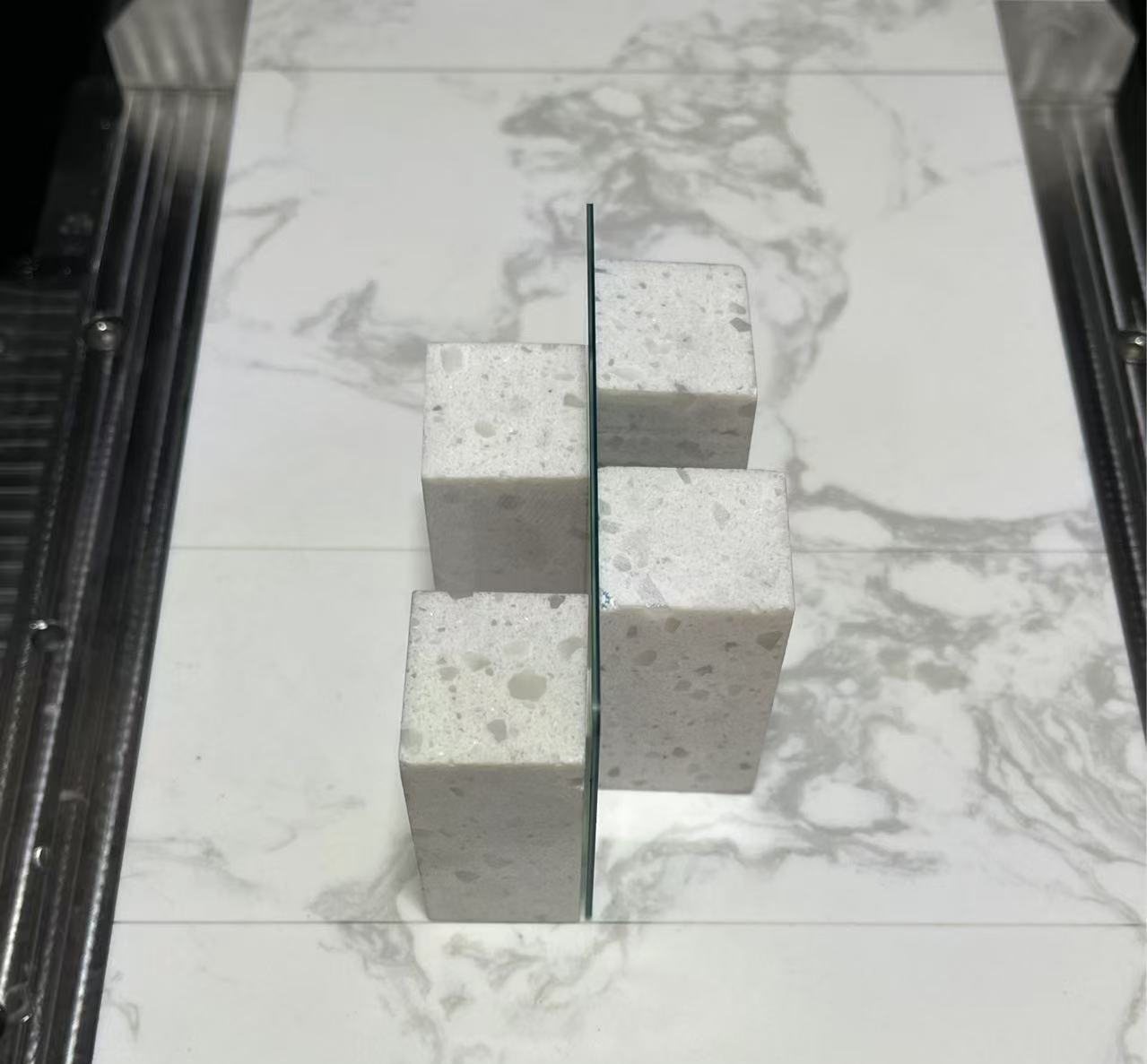
5.1 Dados de teste TTV (milímetro)
TTV (Variação total da espessura) was measured with a nine-point grid, método de espessura de duplo sensor num
palco de ventosa, applied to BG38 strips produced by diamond wire loop cutting. The strips measured
5 mm x 60 mm x 1 milímetro, com uma espessura nominal de 5 milímetro. Before measurement the instrument was thermally stabilised
and calibrated with a standard thickness block to reduce zero drift and systematic error. Após limpeza sem poeira,
each sample was centred on the vacuum chuck and held by negative pressure, so that position shift, warping and local
deformation during measurement had less effect on the thickness readings. Thickness data were then collected in
Sequência nas nove posições pré-definidas da grelha, e a diferença entre a maior e a menor leitura entre essas
os pontos foram tomados como o TTV dessa amostra, que é usado para avaliar a uniformidade da espessura e a maquinação
consistência das tiras BG38. O procedimento segue o mesmo método de nove pontos usado no nosso
Teste de corte ótico de vidro H-K9L.
| Amostra | Leituras de espessura de nove pontos (milímetro) | Tmax | Tmin | TTV |
|---|---|---|---|---|
| S01 | 4.962, 4.969, 4.974 / 4.968, 4.972, 4.978 / 4.974, 4.981, 4.978 | 4.981 | 4.962 | 0.019 |
| S02 | 4.982, 4.983, 4.984 / 4.983, 4.984, 4.985 / 4.984, 4.983, 4.985 | 4.985 | 4.982 | 0.003 |
| S03 | 4.995, 4.998, 4.999 / 4.997, 5.001, 5.004 / 5.002, 5.010, 5.015 | 5.015 | 4.995 | 0.020 |
Avaliação: Três tiras BG38 foram testadas para uniformidade de espessura com o método de nove pontos.
O TTV variou de 0.003 Para 0.020 mm com uma média de 0.014 milímetro. A amostra S02 mostrou a menor variação, em
0.003 milímetro. No geral, a distribuição da espessura das tiras é bastante estável, o que indica um bom controlo de espessura
através do processo de laço de fio diamante.
5.2 Dados de Tolerância à Espessura (milímetro)
A tolerância à espessura foi medida pelo mesmo método da grelha de nove pontos, com 5.000 mm conforme calculada a espessura nominal. O
o desvio de cada ponto medido em relação ao nominal foi calculado, e a máxima deformação positiva, desvio máximo negativo
tolerância geral de espessura foram coligidos, para avaliar a precisão dimensional e consistência de usinagem
das tiras BG38.
| Amostra | Espessura média (milímetro) | Desvio da espessura (milímetro) |
|---|---|---|
| S01 | 4.973 | -0.027 |
| S02 | 4.984 | -0.016 |
| S03 | 5.002 | +0.002 |
| Máxima deformação positiva | +0.002 | +0.002 |
| Máxima deformação negativa | -0.027 | -0.027 |
| Tolerância de espessura | ±0,027 | ±0,027 |
Avaliação: Com 5.000 mm conforme calculada a espessura nominal, as três tiras BG38 apresentaram em média 4.973, 4.984
e 5.002 milímetro, correspondendo a desvios de espessura de -0.027, -0.016 e +0.002 milímetro. O desvio máximo positivo
foi +0.002 milímetro, o desvio máximo negativo -0.027 milímetro, e a tolerância geral de espessura ±0,027 mm. As amostras S01
e S02 ficaram ligeiramente abaixo do valor nominal enquanto a S03 ficou marginalmente acima deste; a dispersão entre as amostras é pequena, o que
indica remoção uniforme de material durante o corte e boa consistência de espessura e controlo dimensional nas BG38
tiras.
5.3 Dados de Rugosidade de Superfície Ra (μm)
Rugosidade da Superfície (Ra) foi medida de acordo com a ISO 4287 com um perfilador de estilete. Três posições representativas foram
perfiladas na face cortada de cada tira BG38 — centro, meio-esquerda e meio-direita — e o Ra foi calculado em
cada posição para avaliar a qualidade superficial após o corte com fio de diamante.
| Amostra | Ra-1 | Ra-2 | Ra-3 | Ra médio |
|---|---|---|---|---|
| S01 | 0.68 | 0.72 | 0.70 | 0.70 |
| S02 | 0.61 | 0.65 | 0.63 | 0.63 |
| S03 | 0.74 | 0.78 | 0.76 | 0.76 |
Avaliação: Three BG38 strips were measured for surface roughness by the three-point method.
O Ra médio variou de 0.63 Para 0.76 μm, with little difference between measuring positions. That indicates a broadly
uniform cut face and a stable wire running and material-removal process.
5.4 Dados de lascamento de borda (μm)
Chipping was measured by optical imaging on a toolmaker’s microscope to quantify edge defects on the BG38 strips.
As bordas das amostras foram limpas antes da medição, and the instrument magnification and measuring scale were calibrated.
The edge regions were then examined under the microscope, recognisable chips were located and measured, e a
defect size at each point was recorded. The largest chip on a strip was taken as the main index, giving an
assessment of edge integrity and machining quality after cutting BG38 glass.
| Amostra | Posição 1 | Posição 2 | Posição 3 | Posição 4 | Maximum chipping |
|---|---|---|---|---|---|
| S01 | 4.8 | 5.6 | 5.1 | 6.2 | 6.2 |
| S02 | 3.9 | 4.7 | 4.3 | 5.1 | 5.1 |
| S03 | 5.0 | 5.8 | 5.4 | 6.5 | 6.5 |
Avaliação: Three BG38 strips were inspected for edge chipping by the four-point method. Defect
sizes were generally small, with maximum chipping between 5.1 e 6.5 μm and little difference between measuring
points and between samples. That indicates a stable cutting state through the diamond wire loop process and good
edge integrity on the strips.

6. Conclusão
The high-precision slicing of BG38 glass sheet in this test produced good results, mainly because the dedicated
gantry cutting machine, the oil cutting method and the process parameters were matched as one set. Glass is a
classic hard, frágil: dureza é bastante elevada, brittleness is pronounced and fracture toughness is low,
and during diamond wire loop cutting the material is easily affected by local cutting load and heat build-up, o que
produces chipping, micro-fissuras, an uneven cut face and strip dimensional deviation. Aimed at the machining
behaviour of glass and the requirement for high-precision straight slicing, this work therefore adjusted machine
selection, cutting method and process parameters in a targeted way, holding strip dimensional accuracy and
cut-surface quality in check while keeping the cutting process stable.
First, machine selection. Given what glass sheet slicing demands in machine rigidity, motion
stability and cutting accuracy, a dedicated gantry diamond wire loop cutting machine was selected. The gantry
structure provides good overall rigidity and running stability, which gives the workpiece firm clamping and the wire
a reliable mechanical basis for steady running. The top-down vertical feed helps hold the cutting trajectory stable
and reduces the effect of machine vibration, motion error and load variation on cut position and dimensional
precisão. Stable feed and motion control also narrow the cutting-load variation, so the glass is removed under
comparatively steady conditions, which lowers the risk of local chipping and strip dimensional deviation and gives
high-precision glass sheet slicing a stable machine basis.
Segundo, método de corte. Given the properties of the material, oil cutting was used, with cutting
oil as the cooling and lubricating medium. Cutting oil improves lubrication and heat dissipation in the contact zone
between wire and glass, lowering friction and heat build-up through the cut and reducing the effect of local
temperature rise and thermal stress on the glass and the cut section. Good cooling and lubrication also help hold
the cutting zone in a steady state and reduce the cutting fluctuation that higher friction or concentrated heat
would cause, so cut-face damage, edge breakage and surface defects become less likely. That is a necessary
condition for keeping glass slicing quality stable.
Terceiro, parâmetros do processo. Given the brittle behaviour of glass and the target strip size, fio
running speed and feed rate were matched accordingly. Parameters were set to keep the wire running stably and
material removal even, avoiding a feed rate so high that the cutting load rises, and avoiding a parameter
combination that causes local heating, stress concentration and brittle fracture. Targeted adjustment of the
cutting parameters kept material removal comparatively steady and, while meeting machining efficiency, reduced
impact and load fluctuation through the cut, which improved strip thickness consistency, cut-face quality and edge
integrity.
Taken together, the results for strip dimensional accuracy, tolerância de espessura, rugosidade superficial (Ra) e
cut-edge quality show that, through coordinated matching of a dedicated gantry cutting machine, oil cutting and
suitable cutting parameters, diamond wire loop cutting meets the requirements of high-precision straight slicing for
glass sheet. The machined samples performed well in dimensional accuracy, consistência da espessura, qualidade da superfície de corte
and edge integrity, which indicates that matching machine structure, cooling and lubrication method and process
parameters to the hard, brittle character of glass improves material removal and process stability, and provides a
process reference for high-precision straight slicing of glass-type brittle materials.
Perguntas Frequentes
Can a diamond wire loop cut BG38 glass sheet into 5 mm strips?
Sim. In this test an 86 mm x 60 mm x 1 mm BG38 sheet was sliced into strips of 5 mm x 60 mm x 1 mm on an ESO-GM
gantry machine. Measured TTV was 0.003 Para 0.020 mm com uma média de 0.014 milímetro, thickness tolerance was
±0.027 mm, and maximum edge chipping was 5.1 Para 6.5 μm, which is a workable basis for precision glass strips.
Why is cutting oil used instead of water for BG38 glass?
Cutting oil lubricates and cools the contact zone between wire and glass. In this test it improved heat
dissipation in the cutting zone and lowered friction and heat build-up through the cut, which reduced the thermal
and local stress variation in the BG38 sheet and lowered the risk of chipping, micro-cracks and cut-face damage. O
machine carries a mist extraction system to clear the oil mist produced during the cut.
What surface quality can be expected when cutting BG38 glass?
Surface roughness was measured to ISO 4287 with a stylus profiler at three positions per strip. Average Ra ranged
de 0.63 Para 0.76 μm with little variation between measuring positions, and maximum edge chipping measured by optical
microscopy was 5.1 Para 6.5 μm, indicating a uniform cut face with good edge integrity.
Why did the BG38 strips come out slightly thin?
Com 5.000 mm conforme calculada a espessura nominal, the three strips averaged 4.973, 4.984 e 5.002 milímetro, so two of them ran
thin by 0.016 Para 0.027 milímetro. That is a systematic offset rather than random scatter, and it can be corrected directly
through cutting parameters and dimensional compensation on the next run.
Where can I find more process data on diamond wire loop cutting?
Ensoll publishes comparable test data for other glass and hard-to-cut materials, including an H-K9L optical glass
cutting test and a guide to the cost structure of optical glass manufacturing and cutting. For general process
questions, see the FAQ sobre tecnologia de corte com fio de diamante em loop.
Conteúdo técnico revisto pela equipa de engenharia da Ensoll – um fabricante de laços de fio de diamante com 10+ anos de experiência em produção.