
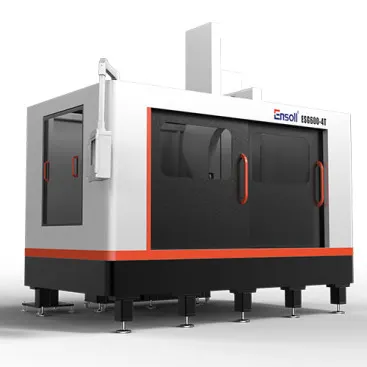
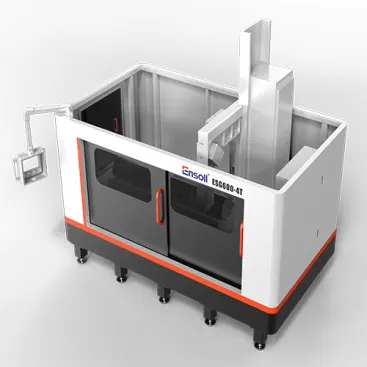
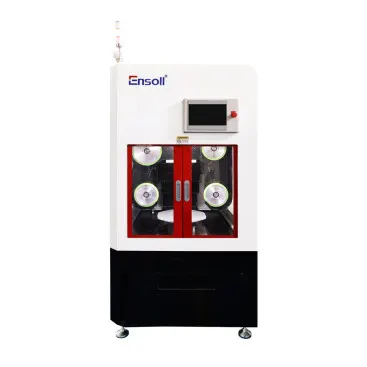
Diamond wire slicing systems for monocrystalline and polycrystalline silicon — ingot cropping, brick squaring and wafering. Configured around kerf loss, surface damage depth and through-put rather than a single headline speed.
Why silicon is cut with wire, not blades
Silicon is brittle, anisotropic in the crystallographic sense, and expensive per millimetre of kerf. An inner-diameter blade removes 200–300 µm of material per slice; a diamond wire of 0.12–0.25 mm removes roughly 130–180 µm once you account for the slurry-free wire diameter and the damaged layer. On a 210 mm ingot running 1,000+ slices, that difference is measured in wafers, not percentages.
The second reason is damage depth. A fixed-abrasive wire produces a shallower subsurface damage layer than loose-abrasive slurry, что сокращает этап травления или полировки на следующих стадиях. Вот почему отрасль перешла на фиксированный алмаз на стальном сердечнике для распиливания и сохраняет только рассыпчатый абразив там, где требования к поверхности экстремальные.
Три операции с кремнием — это разные задачи
Покупатели часто просят "пилу с кремниевой проволокой" без разделения этапов. Они ведут себя очень по-разному:
| Операция | Что преобладает | Типичная проволока | Режим отказа при неправильной конфигурации |
|---|---|---|---|
| Обрезка слитка (截断) | Скорость резки и срок службы проволоки | 0.25–0,45 мм, крупнозернистый абразив | Разрыв проволоки на выходной кромке; отколы на короне |
| Выравнивание кирпичей (开方) | Прямоугольность и целостность углов | 0.25–0,35 мм | Отскоки углов, искривленные боковые стенки |
| Wafering (切片) | Потери на прорезь, TTV, глубина повреждения | 0.10–0,20 мм, мелкозернистый абразив | Изгиб вафера, следы пилы, разрыв проволоки из-за теплового смещения |
Указание одной пилы с проволокой для всех трех операций обычно означает компромисс на этапе распиливания, which is the one where the money is. Most fabs separate cropping/squaring from wafering for exactly this reason.
Setting the parameters that actually matter
Four variables interact: wire tension, Норма подачи, wire speed and coolant flow. Raising feed without raising tension produces bow; raising tension without checking the guide roller runout produces saw marks; starving the coolant produces wire break from thermal excursion, not from mechanical overload.
A practical sequence for a new ingot size: fix wire speed at the upper third of the machine range, set tension to the wire supplier's rated value, then step feed up in 10% increments until you see either bow beyond tolerance or a rise in surface roughness — back off one step and record. That single recorded point is worth more than any generic parameter table, because it is tied to your spindle runout and your coolant chemistry.
What to check on the first article
- TTV and bow on the first and last wafer of the run — the difference tells you about thermal drift, not about the wire.
- Kerf width measured at three points across the ingot — variation indicates wire wander or guide wear.
- Subsurface damage by cross-sectional polish on one wafer — this sets your downstream etch budget.
- Wire consumption per wafer — the number that decides whether the line is economic.
Frequently asked questions
Can one machine do cropping and wafering?
Mechanically yes, economically rarely. Wafering needs a small wire diameter and tight tension control; cropping needs stiffness and throughput. Sharing a machine means running the wafering step with a wire that is thicker than ideal, and the kerf loss compounds across thousands of slices.
How do I choose between loop wire and spool wire for silicon?
Spool (open-end) wire is standard for wafering because the wire is used once and the abrasive is always fresh. Loop wire makes sense for cropping and squaring, where the cut length is short and wire cost per cut dominates.
What coolant should I run?
Water-based coolant with a corrosion inhibitor for the steel core, filtered to remove silicon fines. The filter is not optional — recirculated fines act as a third-body abrasive and destroy guide rollers long before the wire fails.
Why does the wire break at the exit edge?
Almost always a support problem rather than a wire problem. Выходная сторона требует опорной поддержки или уменьшенного угла подачи на последних нескольких миллиметрах; без этого провод втягивается на неподдерживаемый край и пикирует изгибающему напряжению.