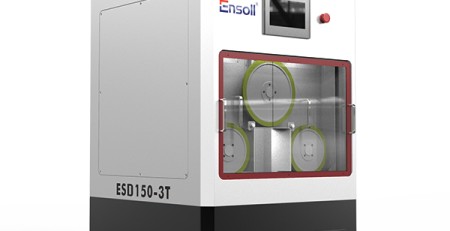
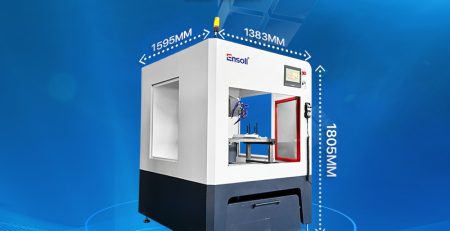
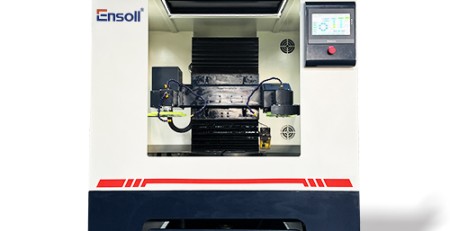
Key selection criteria: production volume, material types and thickness variations, accuracy and surface finish needs, floor space, and technical support requirements.
Understanding Your Cutting Challenges
As manufacturing professionals, you face increasing demands for precision, 效率, and cost-effectiveness in material processing. Whether you’re working with semiconductor wafers, 太阳能材料, or advanced ceramics, achieving perfect cuts while minimizing waste remains a constant challenge. 金刚石绳锯technology offers solutions to these pain points, but understanding how to leverage this technology effectively is crucial.
What This Technology Means for Your Business
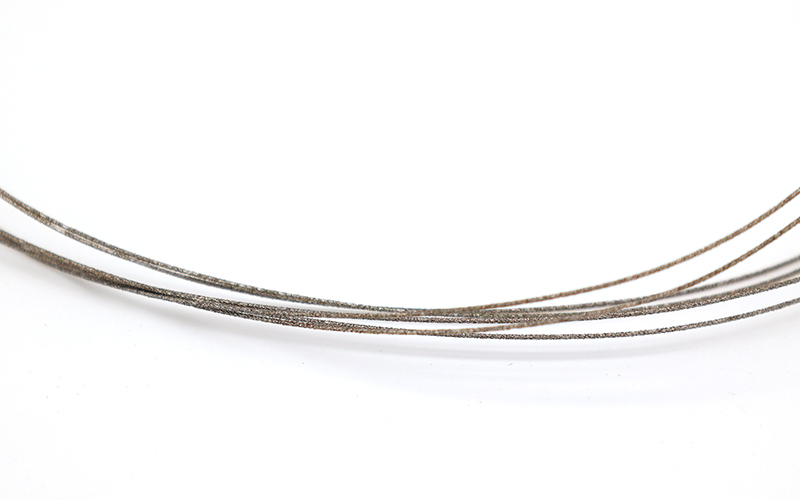
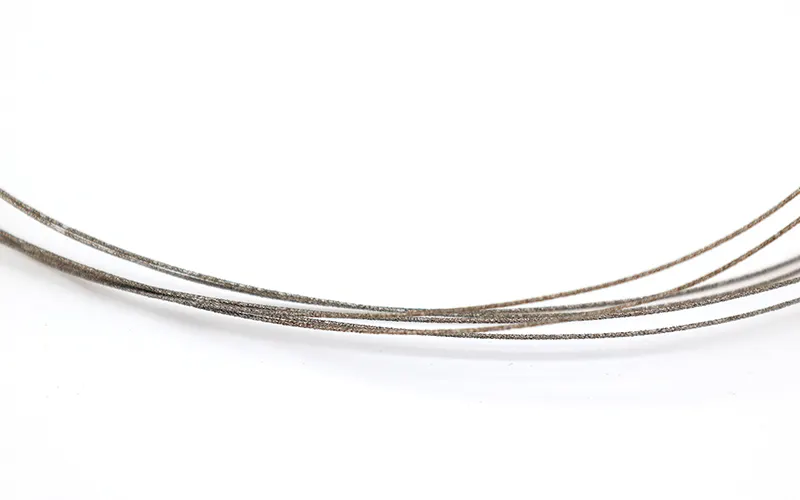
Diamond wire saw cutting machines use a continuous loop of diamond-impregnated wire to slice through even the hardest materials. But beyond the technical definition, what does this mean for your operation?
Key Benefits You Can Expect:
– Process multiple materials with one system, reducing equipment costs
– Cut fragile materials without micro-cracks or edge chipping
– Reduce material loss with kerf widths as narrow as 0.2mm
– Lower operational costs through reduced consumable expenses
Answering Your Common Questions
“Is this suitable for my specific materials?”
Diamond wire saws handle diverse materials including:
– 半导体晶片 (硅, 砷化镓)
– Solar materials and photovoltaic components
– Optical glasses and crystals
– Advanced ceramics and composites
– Research samples and prototypes
“What about operational costs and ROI?”
While initial investment varies, most operations see ROI through:
– 减少材料浪费 (为止 30% savings)
– Lower consumable costs compared to blade systems
实施通常包括全面的操作员培训, 逐步的工艺优化和过渡期间的技术支持, 对现有工作流程影响最小. Best practice is to start with a material testing phase, train multiple operators and document optimal settings for each material.