Magnetic materials fall into three families: Dauermagnete (NdFeB, SmCo, AlNiCo, Ferrit), Weiche Magnetmaterialien (Siliziumstahl, Weicher Ferrit, amorphous and nanocrystalline alloys, permalloy) and functional materials (magnetostrictive, recording media, spintronics).
Each family fails differently under cutting: NdFeB microcracks and demagnetizes, ferrite crumbles at the edges, amorphous ribbons are extremely hard (bis zu 900 HV) and thin, and nanocrystalline alloys degrade above 150 °C.
End-use magnetic performance depends on edge quality (flux leakage), Maßgenauigkeit (air gaps) and freedom from heat- or stress-damaged zones.
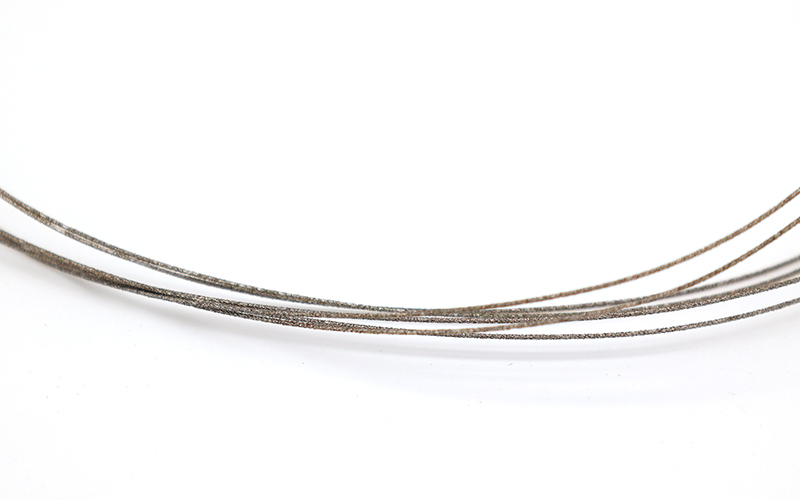
Diamond wire loop cutting addresses all three requirements at once: cutting temperatures below 50 °C, tolerances to ±2 micrometers and material yields above 95%.
1.Einleitung: The Critical Role of Magnetic Materials in Modern Technology
Magnetic materials form the backbone of countless technologies, from electric vehicles to medical imaging systems. Aber, their unique properties—including hardness, Sprödigkeit, and thermal sensitivity—make them notoriously difficult to machine without compromising performance.
This guide explores all major categories of magnetic materials, their post-processing applications, and the cutting challenges they present. For manufacturers requiring precision machining, advanced solutions like Schneiden von Diamantdrahtschlaufen (offered by specialists such as [Ensoll Tools](https (Englisch)://www.ensolltools.com/)) are often indispensable.
For mission-critical applications, partnering with experts like[EnsollTools]ensures optimal results.
Häufig gestellte Fragen
What are the main types of magnetic materials?
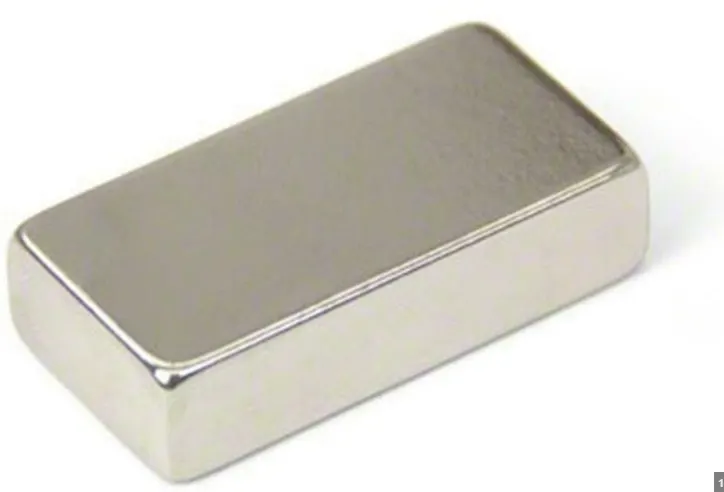
Three broad families: permanent (hart) magnets such as NdFeB, SmCo, AlNiCo and ferrite; soft magnetic materials such as silicon steel, weiche Ferrite, amorphous and nanocrystalline alloys and permalloy; and functional materials such as magnetostrictive alloys, magnetic recording media and spintronics materials.
What is the difference between hard and soft magnetic materials?
Harte (permanent) magnetic materials have high coercivity and retain their magnetization after the external field is removed. Soft magnetic materials magnetize and demagnetize easily, making them ideal for transformer cores, inductors and flux-control components.
Why are magnetic materials difficult to machine?
They combine hardness with brittleness and thermal sensitivity: conventional cutting introduces microcracks, Faseabsplitterungen, burrs or heat that can locally demagnetize the part or destroy delicate structures such as nanocrystalline phases and multilayers.
Which cutting method works across all magnetic material types?
Diamond wire loop cutting is the most universal option. Its cold (below 50 °C), low-force micro-grinding preserves magnetic properties across hard magnets, soft ferrites and advanced alloys, while achieving micrometer-level tolerances and material yields above 95%.
Technische Inhalte geprüft vom Ensoll-Engineering-Team – einem Hersteller von Diamantdraht-Schleifen 10+ Jahre der Produktionserfahrung.
Wichtige Erkenntnisse
Diamantdraht-Schleifen schneiden ist zu einem Mainstream-Prozess für optisches Glas geworden, weil es hohe Genauigkeit kombiniert, hohe Schnittgeschwindigkeit... mehr lesen
Diamant-Drahtsäge Die Technologie verwendet diamantbeschichtete Drähte für präzises und effizientes Schneiden von Material. Bedeutung liegt in der .... mehr lesen
In der Welt der fortschrittlichen Herstellung, Das präzise Schneiden von magnetischen Materialien stellt einen der herausforderndsten, aber dennoch entscheidenden Prozesse dar.... mehr lesen
In der Welt der fortschrittlichen Materialien, Schneiden Siliziumcarbid (Sic) stellt einzigartige Herausforderungen dar, die spezialisierte Lösungen erfordern. Als ein... mehr lesen
Wichtige Erkenntnisse
Ferrit (Keramik) Magneten sind gesintertes Eisenoxid mit Strontium- oder Bariumcarbonat: günstig, korrosionsbeständig und stabil bis 250... mehr lesen
Wichtige Erkenntnisse
Eine Diamantdrahtschleife-Säge ist ein Schneidwerkzeug, das um eine geschlossene Schleife aus diamantbeschichtetem Draht gebaut ist, wird verwendet, um... mehr lesen
Wichtige Erkenntnisse
NdFeB-Magnete bestehen aus drei Elementen mit unterschiedlichen Rollen: Neodym liefert die magnetische Stärke, Eisen stabilisiert die Struktur.... mehr lesen