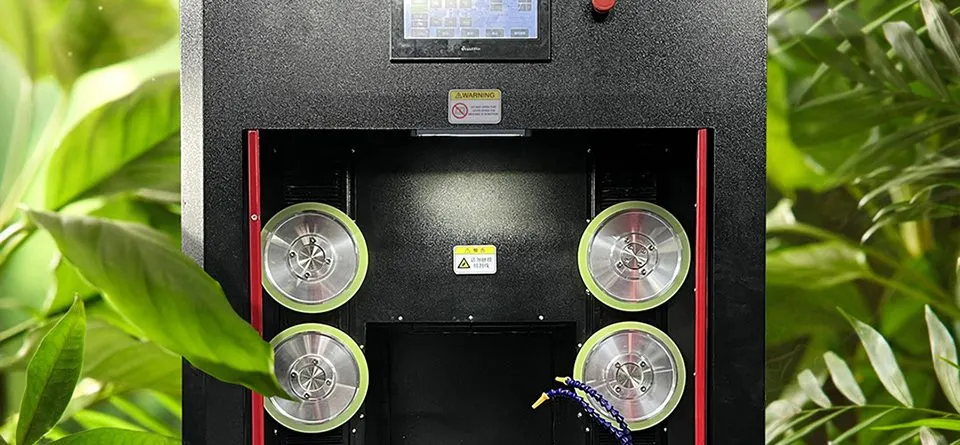
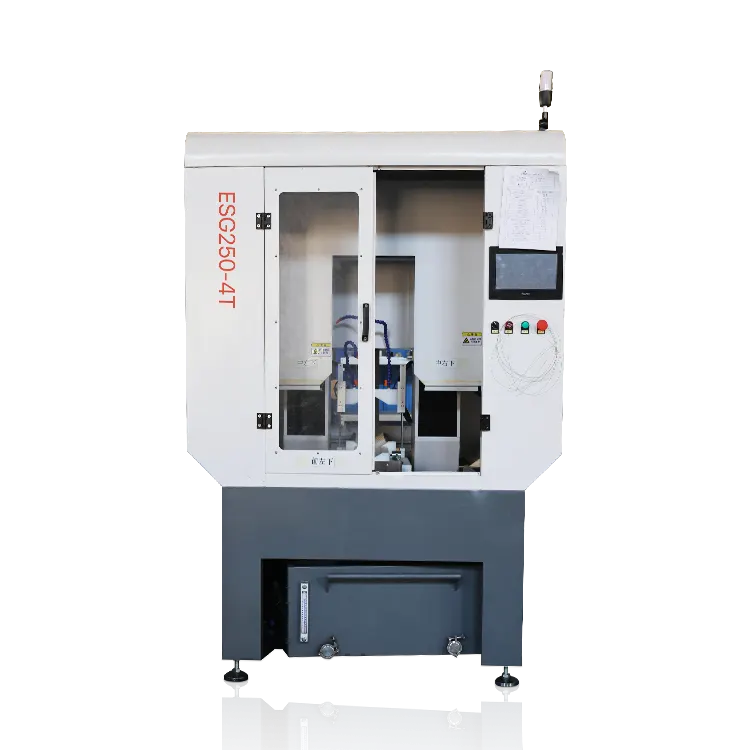
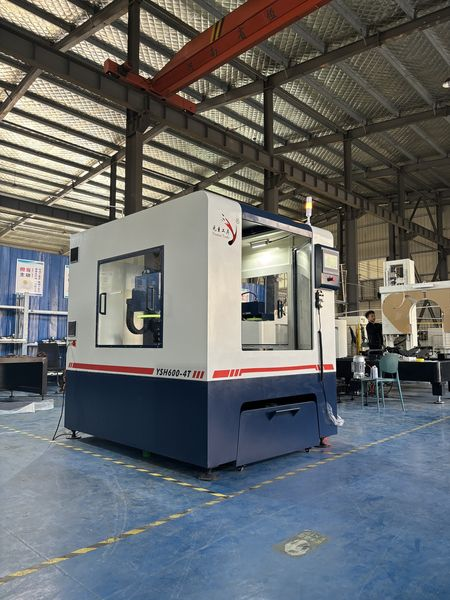
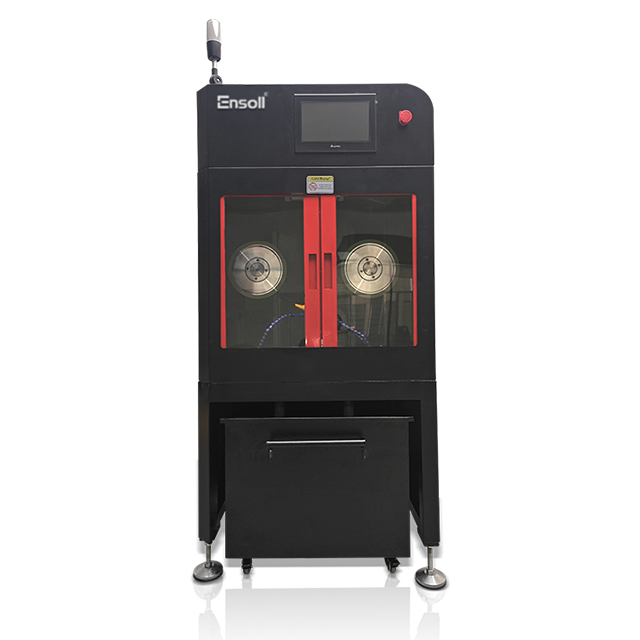
Diamond wire saw cutting machines come in four main structures – vertical, horizontal, gantry and irregular – each suited to different cutting applications.
Vertical machines cut into the workpiece from any point on the side; reciprocating wire can enter from the center, while loop wire cuts from the periphery.
Horizontal machines cut parallel to the workpiece, and both structures support programmed cut-retract-re-engage cycles with adjustable depth.
Gantry machines cut top-down and are primarily used for slicing tasks.
Diamond wire is available from 0.3mm to 3.5mm with customization options, so wire thickness can be matched to the material and precision required.
Diamond wire saw cutting machines from Ensolltolls come in various types: vertical, horizontal, gantry, and irregular structures. Each type offers unique capabilities suited for different cutting applications. Additionally, Ensolltolls provides diamond wire in a range of specifications, from 0.3mm to 3.5mm, and offers customization options to meet specific customer needs.
When selecting a cutting machine and wire thickness, it’s crucial to understand the characteristics and applications of each type:
The vertical structure involves vertical cutting into the workpiece from any point on the side. Reciprocating wire can penetrate the workpiece from the center, while circular wire is limited to cutting from the periphery. The system can be programmed to cut, retract, re-engage, adjust cutting depth, and repeat the process as necessary.
In the horizontal structure, cutting occurs parallel to the workpiece. Similar to the vertical structure, the system can be configured to cut, retract, re-engage, adjust cutting depth, and repeat the cutting process.
The gantry structure is designed for top-down cutting applications, primarily used for slicing tasks.
Conclusion:
Choosing the right diamond wire saw cutting machine and wire thickness is crucial for achieving precise and efficient cutting results. Ensolltolls provides a diverse selection of diamond wire saw cutting machines, including vertical, horizontal, gantry, and irregular structures, to cater to various cutting needs. Whether you require vertical cutting for intricate designs, horizontal cutting for parallel slices, or gantry cutting for top-down applications, Ensolltolls’ diamond wire saw cutting machines offer flexibility and performance. Customize your diamond wire thickness to suit your specific requirements and experience the precision and efficiency Ensolltolls machines have to offer.
Frequently Asked Questions
What types of diamond wire saw cutting machines are there?
Four main structures: vertical machines that cut into the workpiece from the side, horizontal machines that cut parallel to the workpiece, gantry machines for top-down slicing, and irregular or custom structures for special applications. Each offers unique capabilities, so the right choice depends on your cutting task.
How do I choose the right diamond wire thickness?
Match the wire diameter to your material and precision needs. Diamond wire is available from 0.3mm to 3.5mm – thinner wire gives a narrower kerf and finer finish for delicate or valuable materials, while thicker wire offers more strength for aggressive cutting. Custom specifications are available for specific requirements.
What is the difference between vertical and horizontal diamond wire saws?
A vertical machine cuts into the workpiece from any point on the side – reciprocating wire can even penetrate from the center, while circular loop wire cuts from the periphery. A horizontal machine cuts parallel to the workpiece. Both can be programmed to cut, retract, re-engage and adjust depth in repeated cycles.
What is a gantry diamond wire saw used for?
The gantry structure is designed for top-down cutting applications and is primarily used for slicing tasks, where the wire descends through the workpiece in controlled passes.
Can one diamond wire saw machine handle different cutting tasks?
Within its structure, yes – the system can be programmed to cut, retract, re-engage, adjust cutting depth and repeat as necessary. But for fundamentally different tasks, choose the structure to match: vertical for intricate side-entry cuts, horizontal for parallel slices, and gantry for top-down slicing.
The settings for single-direction cutting and bi-directional cutting are specific cutting programs employed by single wire diamond wire saws... read more
In the realm of modern materials science, few innovations have had as profound an impact as neodymium-iron-boron (NdFeB) permanent magnets.... read more
The global transition toward clean energy and advanced computing has placed unprecedented pressure on the supply chains of the photovoltaic... read more
Introduction:
Diamond wire is an innovative cutting tool that has revolutionized various industries with its precision and effectiveness. In this... read more
The rapid evolution of 5G telecommunications, electric vehicle (EV) charging infrastructure, and high-frequency power supplies has placed a massive spotlight... read more
Key Takeaways
Laser cutting is contactless and fast, but its heat-affected zone can create micro-cracks that reduce solar cell efficiency.
Diamond wire... read more
Key Takeaways
Diamond looped wire cutting offers high precision and fine operation, essential for manufacturing high-precision optical components such as lenses,... read more
Abstract: This reference sheet lists the process window validated in Ensoll's PMI
(polymethacrylimide) structural foam slicing test on an ESH600-4T horizontal
read more