¿Puede el fresado CNC cortar materiales magnéticos??
- La fresadora CNC puede cortar materiales magnéticos más suaves — aceros eléctricos de bajo carbono, aleaciones de níquel como Permalloy y ferritas blandas — pero tiene problemas con imanes duros, y frágiles.
- En NdFeB, ferritas duras y aceros de alto carbono, el fresado provoca un rápido desgaste de la herramienta, calor que puede desmagnetizar la pieza, y fractura frágil en los bordes.
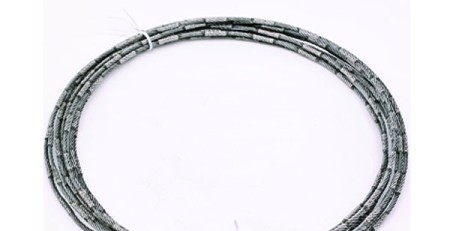
- El corte con bucle de alambre de diamante es la mejor opción para materiales magnéticos duros: el kerf fino ahorra material costoso, el refrigerante previene la desmagnetización, y las tolerancias alcanzan ±0,05 mm sin grietas.
- Regla general: aceros magnéticos suaves y aleaciones de níquel → fresado CNC con herramientas de carburo y refrigerante; imanes de neodimio y núcleos de ferrita → bucle de alambre de diamante.
Las máquinas de fresado CNC son herramientas muy versátiles capaces de cortar una amplia gama de materiales, incluidos los metales, plásticos, y materiales compuestos. Pero cuando se trata de materiales magnéticos, particularmente los duros y frágiles como los imanes de neodimio, los ferritas, y ciertas aleaciones de acero, surge la pregunta: ¿Puede un molino CNC cortarlos de manera efectiva??
La respuesta corta es sí, pero con limitaciones. Aunque el fresado CNC puede manejar algunos materiales magnéticos, las sustancias magnéticas duras y frágiles a menudo requieren métodos alternativos como bucle de alambre de diamante corte para precisión y eficiencia.
En este artículo, exploraremos:
– Los desafíos de cortar materiales magnéticos con fresado CNC
– Cuándo el fresado CNC es adecuado vs. cuándo el corte con alambre de diamante es mejor
– Mejores prácticas para el mecanizado de materiales magnéticos

El corte con alambre suele ser la mejor opción aquí, por las razones expuestas en cómo cortar imanes de neodimio.
1. ¿Puede una máquina de fresado CNC cortar materiales magnéticos??
Sí, pero con desafíos
Las máquinas de fresado CNC pueden cortar materiales magnéticos más blandos como:
– Aceros bajos en carbono (p ej., Laminaciones de acero eléctrico)
– Algunas aleaciones de níquel (p ej., Permalloy)
– Ferritas blandas (para electrónica)
Sin embargo, Materiales magnéticos duros y quebradizos como:
– Neodimio (NdFeB) Imanes
– Ferritas duras (Imanes cerámicos)
– Ciertos aceros altos en carbono
…presentan desafíos significativos debido a:
✔ Desgaste de la herramienta – Los materiales magnéticos duros degradan rápidamente las herramientas de corte.
✔ Generación de calor – El exceso de calor puede desmagnetizar el material.
✔ Riesgo de fractura frágil – Astillado y grietas son comunes.
Cuándo el fresado CNC funciona mejor
– Para metales magnéticos más blandos donde se necesita mecanizado de precisión.
– Al cortar ranuras, agujeros, o formas complejas en componentes magnéticos.
– Para prototipos o producción de bajo volumen donde cortar con alambre de diamante no es rentable.
- Por qué Bucle de alambre de diamante Corte es mejor para materiales magnéticos duros
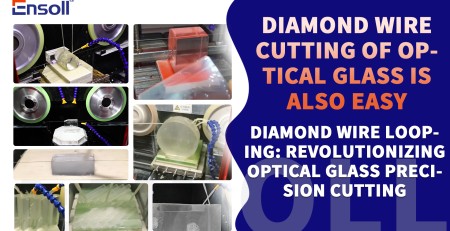
Para materiales magnéticos ultraduros o frágiles, el corte con bucle de alambre de diamante suele ser la opción superior.
Ventajas del corte con alambre de diamante:
✅ Pérdida mínima de material – kerf fino (ancho de corte) preserves expensive materials.
✅ No Heat Damage – Coolant prevents demagnetization.
✅ Smooth, Crack-Free Cuts – Ideal for brittle magnets.
✅ High Precision – Can achieve tight tolerances (±0,05 mm).
Common Applications:
– Slicing neodymium magnets for motors and sensors.
– Cutting ferrite cores for transformers and inductors.
– Processing rare-earth magnetic alloys with minimal waste.
3. Best Practices for Cutting Magnetic Materials
Option 1: CNC Milling (For Softer Magnets)
– Use fresas de carburo o recubiertas de diamante para reducir el desgaste.
– Aplique refrigerante para evitar el sobrecalentamiento y la desmagnetización.
– Optimice las velocidades de avance para evitar astillado.
Option 2: Corte de alambre de diamante (Para imanes duros/frágiles)
– Use un alambre de diamante de grano fino para cortes más suaves.
– Mantenga la tensión adecuada para evitar la ruptura del alambre.
– Use refrigerantes a base de agua para mejorar la eficiencia del corte.
Conclusión: Qué método debería elegir?
| Tipo de material | Mejor método de corte |
| Aceros magnéticos suaves | CNC Milling |
| Imanes de neodimio | Bucle de alambre de diamante |
| Núcleos de ferrita | Bucle de alambre de diamante |
| Aleaciones de níquel | CNC Milling (con refrigerante) |
Aunque el fresado CNC puede cortar algunos materiales magnéticos, los imanes duros y frágiles a menudo requieren corte con alambre de diamante para obtener resultados óptimos.
Recomendaciones finales:
✔ Para el moldeo de precisión de imanes suaves → Use fresado CNC con herramientas de carburo.
✔ Para cortar imanes duros/frágiles → El bucle de alambre de diamante es la mejor solución.
✔ Para producción a escala industrial → Considere sistemas automatizados de corte con hilo de diamante.
Al elegir el método adecuado, puede maximizar la eficiencia, reducir el desperdicio, y mantener la integridad del material.
Preguntas Frecuentes
Can a CNC milling machine cut neodymium magnets?
Technically yes, but it is not recommended: NdFeB is hard and brittle, so milling causes rapid tool wear, edge chipping and heat that can locally demagnetize the magnet. Diamond wire loop cutting delivers clean ±0.05 mm cuts without those risks.
Which magnetic materials can be CNC milled safely?
Metales magnéticos más blandos: aceros eléctricos de bajo carbono, aleaciones de níquel como Permalloy, y ferritas blandas. Use fresas de extremo recubiertas de carburo o diamante, refrigerante por inundación y velocidades de avance conservadoras para limitar el desgaste y el calor.
¿Por qué importa el calor al maquinar imanes??
Cada grado de imán tiene un límite de temperatura; superarlo, incluso localmente, reduce permanentemente la salida magnética. El fresado genera calor concentrado en la punta de la herramienta, mientras que el corte con hilo de diamante baña la zona con refrigerante y mantiene el imán de manera segura por debajo de su umbral.
¿Cuándo es más rentable cortar con hilo de diamante que fresar??
Siempre que el material sea duro, frágil o caro: el delgado corte del hilo desperdicia mucho menos material de tierras raras, los bordes salen sin grietas y sin acabado secundario, y tolerancias de ±0,05 mm son rutinarias. Para aceros blandos y prototipos rápidos, el fresado sigue siendo más barato y rápido de montar.
Revisado por el equipo de ingeniería de Ensoll.