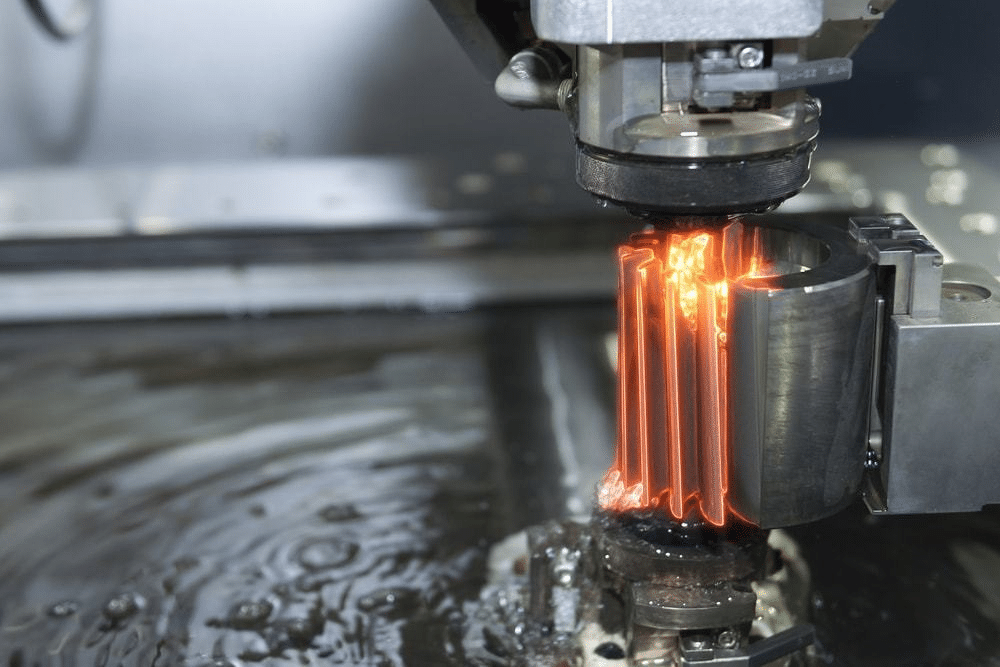
La EDM por alambre corta materiales conductores eléctricamente mediante erosión por chispa, por lo que la dureza del material es irrelevante – incluso se pueden cortar acero endurecido para herramientas y carburo de tungsteno.
El proceso es sin contacto y produce cero tensión mecánica, permite geometrías complejas, esquinas afiladas y detalles finos.
La EDM por alambre ofrece un acabado superficial excelente y tolerancias ajustadas, pero está limitado a materiales conductores y es relativamente lento.
Para materiales duros no conductores como cerámicas, vidrio y zafiro, el corte con hilo de diamante es la tecnología complementaria de elección.
En el mundo de la fabricación de alta precisión, hay materiales tan duros que las brocas tradicionales de acero y los cortadores de carburo simplemente no pueden tocarlos. Cuando los ingenieros aeroespaciales necesitan cortar titanio o semiconductores, los fabricantes necesitan crear componentes microscópicos en acero endurecido, recurren a un proceso que parece ciencia ficción: Mecanizado por descarga eléctrica (EDM).
Específicamente, el EDM por hilo (WEDM) la máquina se ha convertido en el estándar de oro para “imposible” cortes. En esta guía, we will break down what an EDM wire cut machine is, how it works, and why it remains a cornerstone of industrial innovation alongside modern diamond wire technologies.
2. The Science: How Does the “Spark” Work?
The process of Wire EDM relies on the principles of erosion through electricity. Here is the step-by-step breakdown of what happens inside the machine:
The Electrode: A thin wire (usually brass, cobre, or coated molybdenum), acting as one electrode, is fed from a supply spool through the workpiece.
The Dielectric Fluid: The entire cutting area is submerged in or flushed with deionized water (the dielectric fluid). This fluid acts as an insulator until a specific voltage is reached, and then it acts as a conductor.
The Spark: La máquina genera pulsos eléctricos de alta frecuencia entre el alambre y la pieza de trabajo. Cuando la distancia es lo suficientemente pequeña, una chispa salta, creando un “canal de plasma” que alcanza temperaturas de 8,000°C a 12,000°C.
La erosión: Este calor intenso funde y vaporiza una cantidad microscópica del metal. El fluido dieléctrico luego elimina inmediatamente estas diminutas partículas y enfría el área.
La alimentación continua: Debido a que el alambre mismo se erosiona por las chispas, se mueve constantemente de un carrete a otro, asegurando que haya siempre una “superficie fresca” Listas de corte siempre presente.
3. Ventajas clave del corte por EDM con alambre
¿Por qué los fabricantes eligen EDM sobre el fresado tradicional o el corte por chorro de agua?
Un. La dureza es irrelevante
En el mecanizado tradicional, la herramienta debe ser más dura que el material que está cortando. En EDM, el único requisito es que el material debe ser eléctricamente conductor. Puedes cortar acero herramienta endurecido, carburo de tungsteno, y titanio tan fácilmente como puedes cortar aluminio.
B. Geometrías complejas & Esquinas afiladas
Debido a que el alambre puede ser tan delgado como 0,02 mm, EDM puede producir esquinas internas con casi radio cero. Permite la creación de formas intrincadas, paredes delgadas, y complejas “ranuras de chaveta” que son físicamente imposibles para una broca redonda giratoria.
C. Estrés mecánico cero
Dado que el alambre nunca toca realmente la pieza, no hay fuerzas de corte mecánicas. Esto significa que puedes maquinar piezas extremadamente delicadas o de paredes delgadas sin el riesgo de que se doblen, se deformen, o vibren el material.
D. Acabado superficial excepcional
El EDM con alambre es conocido por producir un acabado tipo espejo. Porque es un proceso de erosión térmica en lugar de un proceso de desgarro mecánico, la superficie resultante es increíblemente lisa, a menudo eliminando la necesidad de pulido secundario.
4. EDM vs. Corte con Sierra de Diamante: Cuál Necesita?
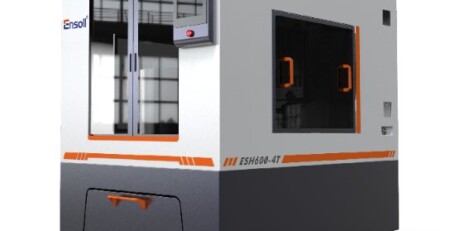
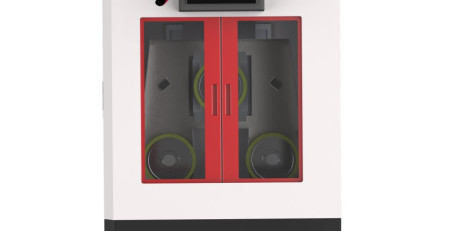
En 2026, muchos de nuestros clientes en Ensoll preguntan sobre la diferencia entre el EDM por alambre y nuestro Sierra de hilo de diamante Tecnología. Aunque ambos usan un “alambre” para cortar, sirven para diferentes propósitos:
Característica
Máquina EDM por Alambre
Sierra de Alambre de Diamante Ensoll
Requisito de Material
Debe ser Conductor (Metales)
Puede ser No conductor (Cerámica, Vidrio, Silicio)
Velocidad de Corte
Relativamente Lenta (Enfoque en Precisión)
Alta Velocidad (Enfoque en Eficiencia)
Mecanismo
Erosión Eléctrica (Spark)
Micro-Molienda Mecánica (Diamantes)
Mejor Caso de Uso
Fabricación de moldes, pequeñas piezas aeroespaciales
Obleas de semiconductores, Sic, Cerámica industrial
Si está cortando materiales no conductores como Carburo de Silicio (Sic) o Cerámicas Técnicas, EDM no funcionará. En esos casos, el Bucle de Alambre de Diamante Ensoll es la solución estándar de la industria.
5. Applications of EDM Wire Cut Machines
Wire EDM is utilized in any industry where “failure is not an option” and precision is paramount:
Aeroespacial: Creating cooling holes in turbine blades and intricate engine components.
Dispositivos médicos: Slicing tiny, delicate surgical instruments and implants from biocompatible metals.
Tool and Die Making: Creating the hardened steel molds used to mass-produce plastic parts (like the casing of your smartphone).
Automotriz: Producing high-precision gears and prototype parts for Electric Vehicle (VE) powertrains.
6. Maintenance and Operational Efficiency in 2026
To keep an EDM machine running at peak performance, operators focus on three main factors:
Tensión del cable: Just like Ensoll’s diamond wires, EDM wires must be kept at a constant tension to prevent “wire lag,” which can cause inaccuracies in the center of a thick cut.
Water Conductivity: El agua desionizada debe ser filtrada y su conductividad monitoreada constantemente. Si el agua está demasiado “sucia,” las chispas se volverán incontrolables.
Configuración del generador: Moderno 2026 Las máquinas EDM utilizan generadores de energía impulsados por IA que ajustan la frecuencia de las chispas en tiempo real para evitar la rotura del hilo mientras maximizan la velocidad.
Conclusión: La era del cumplimiento de precisión
La máquina de corte por hilo EDM sigue siendo una maravilla de la ingeniería moderna. Al usar electricidad para superar las limitaciones de la dureza física, nos permite construir el complejo, mundo de alto rendimiento en el que vivimos hoy.
Ya sea que esté utilizando Mecanizado por Descarga Eléctrica para moldes de metal conductores o los Bucles de Hilo de Diamante de Ensoll para obleas avanzadas de semiconductores, el objetivo es el mismo: Precisión redefinida.
Preguntas Frecuentes
Qué es el corte por hilo EDM y cómo funciona?
Electroerosión por hilo (Mecanizado por electroerosión) utiliza un hilo delgado, Cable cargado eléctricamente como electrodo. Una serie controlada de chispas entre el alambre y la pieza erosiona el material a lo largo del camino programado, sin ningún contacto físico.
¿Qué materiales se pueden cortar con EDM por hilo??
Cualquier material conductor eléctrico, Independientemente de la dureza: acero para herramientas, Acero inoxidable, titanio, carburo de tungsteno, Inconel y otras superaleaciones. Materiales no conductores como cerámica, vidrio y la mayoría de las piedras no pueden ser cortados por EDM.
¿Cuáles son las principales ventajas de la EDM por cable??
La dureza es irrelevante, No hay fuerza mecánica de corte, produce formas complejas con esquinas internas afiladas, y logra un excelente acabado superficial y tolerancias a nivel de micras.
Corte por EDM por alambre vs diamante con hilo: ¿cuál debería elegir?
Elige EDM por alambre para metales conductores cuando necesites contornos intrincados y acabado ultrafino. Elija el corte con alambre de diamante en bucle para materiales duros y frágiles no conductores (silicio, cerámica, vidrio, zafiro, Imanes) o cuando necesite un corte recto más rápido con baja pérdida de material.
En el mundo del corte de precisión, la tecnología de sierra de hilo de diamante se destaca como un método revolucionario que ha transformado la forma en que... leer más
La fabricación de joyas es una forma de arte que ha existido durante miles de años. Desde antiguos lapidarios que daban forma a las piedras preciosas a mano.... leer más
El silicio monocristalino es la base de las industrias modernas de semiconductores y fotovoltaica. Para transformar lingotes de silicio en obleas funcionales, corte de precisión.. leer más
Puntos clave
Métodos tradicionales de corte de neumáticos - tijeras hidráulicas, sierras de cinta, láseres y herramientas manuales - todos tienen dificultades con cortes desiguales,... leer más
Abstracto: Este informe de aplicación documenta una prueba de corte en rebanadas rectas de precisión en PMI
(polimetacrilimida) espuma estructural suministrada por un cliente europeo. Cuatro rebanadas... leer más
En el mundo de la fabricación de precisión, Pocos procesos son tan críticos como cortar materiales duros en obleas delgadas, uniformes. Ya sea.... leer más
Puntos clave
Las sierras de lazo de alambre de diamante cortan una gama excepcionalmente amplia de materiales compuestos metálicos y no metálicos, desde cerámica y vidrio... leer más
Abstracto: This report documents a precision straight-slicing trial on glass tube supplied by a
European customer. The workpiece was a tube... leer más