Por qué los materiales duros y frágiles se astillan durante el corte
Introducción
Hard and brittle materials are essential in industries like electronics, óptica, aeroespacial, y dispositivos médicos. Sin embargo, Cortarlos a menudo resulta en astillados, Grietas, y mala calidad de los bordes. Esta guía completa explora qué son los materiales duros y quebradizos, Sus propiedades clave, Técnicas de corte avanzadas, y cómo lograr la limpieza, Cortes precisos – Especialmente para formas complejas.
If you’re looking for expert insights on minimizing material damage, echa un vistazo a este debate de Facebook donde los profesionales comparten sus experiencias:
Ahora, let’s explore the details.
<img class="aligncenter size-large wp-image-2309" src="https://www.ensolltools.com/wp-content/uploads/2025/05/1747123198357-1024×521.png" alt="bucle de alambre de diamante” width=”1024″ height=”521″ />1. What Are Hard and Brittle Materials? (Definition & Types)
Hard and brittle materials have high hardness but low fracture toughness, meaning they resist scratching but crack easily under stress. These materials are crucial for high-precision applications requiring durability and wear resistance.
Common Types of Hard and Brittle Materials:
– Cerámica (Alúmina, Zirconia, Nitruro de silicio) – Used in medical implants and cutting tools
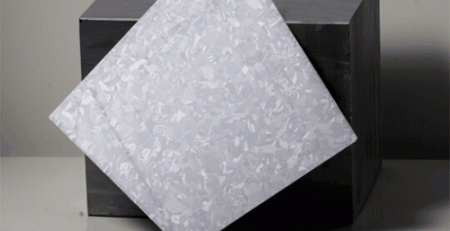
– Vidrio (Borosilicate, Cuarzo, Gorilla Glass) – Essential for displays, lentes, and lab equipment
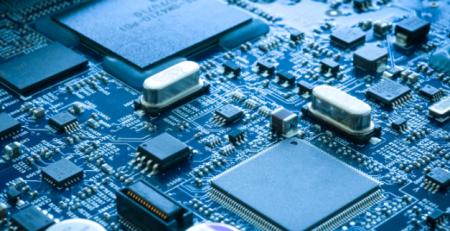
– Semiconductors (Silicon Wafers, Arseniuro de galio) – Critical for electronics and solar cells
– Compuestos avanzados (Fibra de carbono, Compuestos de matriz cerámica) – Utilizados en aeroespacial y defensa
– Materiales ultraduros (Diamante, Carburo de tungsteno) – Aplicado en corte y perforación industrial
Cada material requiere técnicas de corte especializadas para evitar defectos.
2.Propiedades clave de materiales duros y frágiles
Comprender estas características ayuda a seleccionar el enfoque de mecanizado adecuado:
– Alta dureza – Resistente al desgaste pero difícil de cortar con herramientas convencionales
– Baja tenacidad a la fractura – Propensa a grietas bajo esfuerzos mecánicos
– Sensibilidad térmica – Cambios bruscos de temperatura pueden inducir microgrietas
– Comportamiento anisotrópico – La resistencia varía según la dirección de corte
Estas propiedades hacen que los métodos tradicionales de mecanizado (p ej., sierra, perforación) ineficaz, a menudo conducen a astillados en el filo.
3. Métodos de corte para materiales duros y frágiles
Para lograr cortes limpios, los fabricantes utilizan técnicas avanzadas:
3.1Corte por láser
Ventajas: Alta precisión, mínimo esfuerzo mecánico
Contras: Heat-affected zones may cause micro-fractures in sensitive materials
3.2Mecanizado Ultrasónico (USM)
Uses high-frequency vibrations with abrasive slurry
Ideal for intricate shapes in glass and ceramics
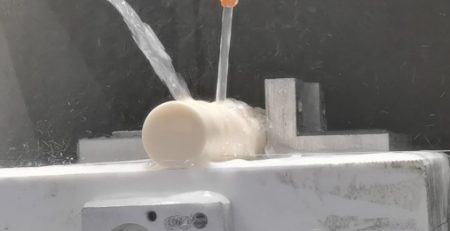
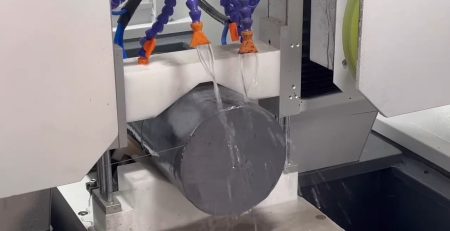
A diamond-coated wire ensures smooth, low-stress cuts
Reduces chipping compared to traditional saws
3.4Corte por chorro de agua
High-pressure water mixed with abrasives cuts without heat
Suitable for thick materials but may leave a rough edge
3.5Precision Grinding with Diamond Tools
Diamond abrasives provide superior surface finish
Best for final finishing operations
Choosing the right method depends on material type, el espesor, and required precision.
4. How to Achieve Complex Cuts in Hard and Brittle Materials
Many industries demand intricate shapes, such as smartphone camera cutouts or microfluidic channels in lab-on-a-chip devices. Here’s how to achieve them without chipping:
4.1Estrategias optimizadas de trayectoria de herramienta
Lento, las velocidades de avance controladas reducen el estrés repentino
El software CAD/CAM asegura trayectorias de corte eficientes
4.2Pre-debilitación con láser
Crear micro ranuras antes del corte minimiza la propagación de grietas
4.3Sistemas avanzados de enfriamiento
Previene el choque térmico y el desgaste de la herramienta
4.4Máquinas de corte especializadas
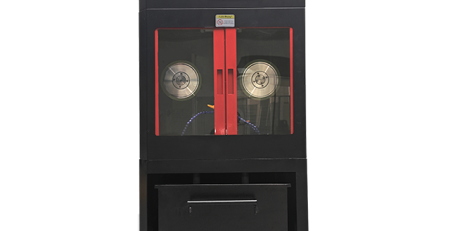
Para formas complejas, Los sistemas de corte avanzados de Ensoll proporcionan una precisión excepcional. Sus máquinas utilizan herramientas de diamante y control de vibraciones para minimizar el daño en los bordes.
Estudio de casos: Vea esta demostración de corte de formas complejas para ver cómo Ensoll logra resultados impecables en materiales duros:
Conclusión
Cortar materiales duros y frágiles sin astillado requiere un profundo conocimiento de las propiedades del material y técnicas avanzadas de mecanizado. Whether you’re working with ceramics, vidrio, or semiconductors, choosing the right method is crucial.
For high-precision cutting solutions, explore Ensoll’s cutting-diamond wire saw tools:
Have you faced challenges with hard material cutting? Share your thoughts or join the conversation on Facebook (en inglés.