Bienvenue dans notre guide complet sur fil diamantéla découpe des lentilles. Dans cet article, Nous explorerons le monde des lentilles, Discutez des raisons pour lesquelles la coupe en boucle de fil diamanté est préférée pour la coupe de lentilles, et fournir un guide étape par étape sur la façon de couper efficacement les lentilles à l’aide de cette méthode. De plus, Nous mettrons en évidence quelques considérations importantes à garder à l’esprit au cours du processus. Que vous soyez un professionnel du découpage d’objectif ou un bricoleur, this guide will equip you with the knowledge and techniques required to achieve precise lens cutting results.
What are Lenses?
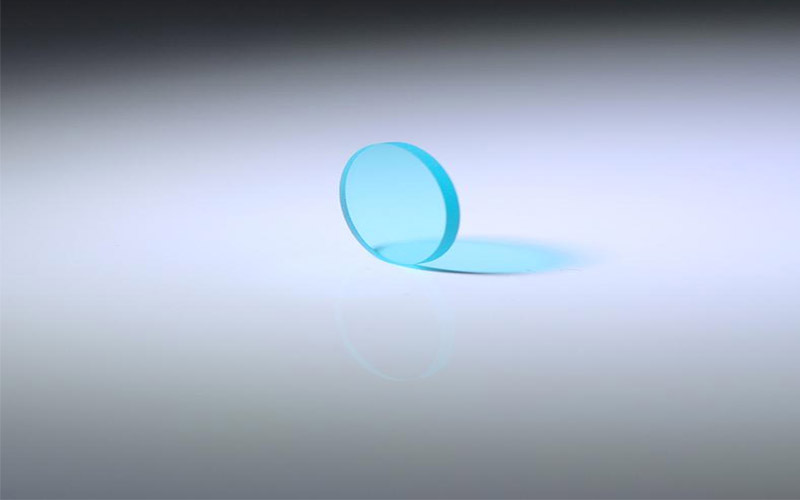
Lenses are transparent optical devices with curved surfaces that are used to control the passage and focusing of light. They are commonly found in various optical systems, such as cameras, microscopes, Télescopes, and eyeglasses. Lenses can be made from different materials like glass, plastic, or synthetic materials, and they come in various shapes and sizes depending on their specific application.
Why Diamond Wire Cutting for Lenses?
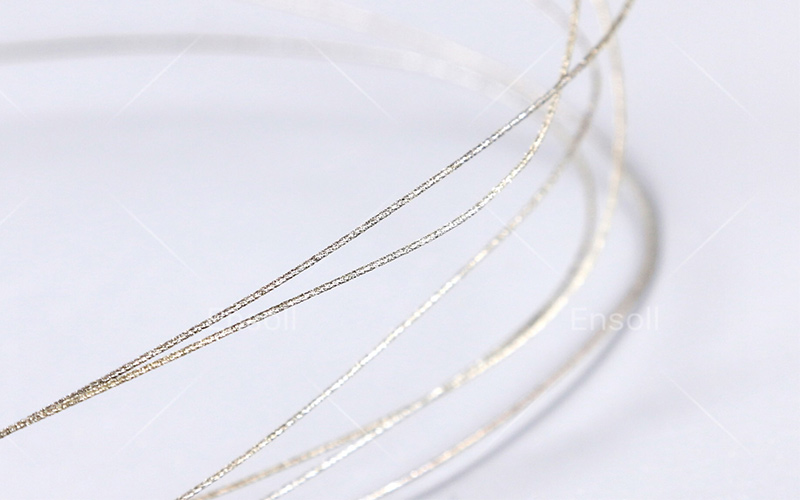
Diamond wire cutting is preferred for lens cutting due to its precision, efficacité, and ability to handle delicate materials. Lenses, especially those made from glass or high-quality optical materials, require precise and clean cuts to maintain their optical properties. Fil diamanté, equipped with diamond-coated blades, offer exceptional cutting accuracy and minimize the risk of chipping or damaging the lens surface.
Unlike traditional cutting methods, diamond wire cutting provides greater control over the cutting process, allowing for intricate designs and complex shapes. The diamond-coated blade’s high-speed rotation combined with water cooling ensures minimal heat generation, reducing the chances of thermal stress on the lens.
Before beginning the diamond ring saw cutting process, it is essential to prepare adequately.
La sécurité avant tout: Prioritize safety by donning the necessary protective gear, such as safety glasses, Gants, and a dust mask.
Workspace Setup: Set up a clean and well-ventilated workspace. Clear away any clutter and ensure sufficient lighting for better visibility.
Lens Marking: Mark the lens surface with the desired cutting line using a marker or template. Ensure the marking is precise and aligned with your intended design.
Equipment Inspection: Thoroughly inspect the diamond ring saw and the blade before use. Check for any damages or signs of wear and tear. Replace the blade if necessary.
Water Cooling System: Connect and test the water cooling system attached to the diamond ring saw. Adequate water flow is crucial to maintain the blade’s temperature and reduce friction during cutting.
Steps for Diamond Wire Loop Cutting
Maintenant, let’s dive into the step-by-step process of cutting lenses using a diamond wire:
Étape 1: Secure the Lens:
Carefully position and secure the lens on the cutting surface, ensuring it remains stable throughout the cutting process. Use clamps or other appropriate methods to hold the lens securely.
Étape 2: Start Cutting:
Switch on the diamond ring saw and slowly lower the blade onto the marked cutting line. Avoid applying excessive pressure, as it may lead to chipping or cracking of the lens.
Étape 3: Water Cooling:
Continuously monitor the water cooling system during cutting to ensure a constant flow of water over the blade and the lens. This helps to minimize heat buildup and prevents damage to the lens due to excessive heat.
Étape 4: Follow the Cutting Line:
Carefully follow the marked cutting line while maintaining a smooth and steady cutting motion. Take your time and make small adjustments, if necessary, to achieve the desired cut.
Étape 5: Clean and Inspect:
Once the cutting is complete, remove the lens from the cutting surface and clean it thoroughly to remove any debris or residue. Inspect the cut edges for smoothness and precision. If needed, use fine-grit sandpaper or polishing tools to refine the edges.
Important Considerations:
Safety Measures: Always prioritize safety by wearing appropriate protective gear and working in a well-ventilated area. Follow the manufacturer’s instructions for safe operation of the diamond ring saw.
Water Cooling: Ensure an adequate water cooling system is in place to prevent overheating of the blade and lens. Monitor the water flow throughout the cutting process and adjust as needed.
Cleanliness: Keep the lens and cutting area cleanto avoid any contamination or damage to the lens. Regularly clean the lens and the cutting surface to remove debris and maintain optimal cutting conditions.
Conclusion:
Diamond wire loop cutting is an effective and precise method for cutting lenses, offering control, exactitude, and minimal damage to the lens surface. By following the steps outlined in this guide and considering the important factors, you can achieve excellent results in lens cutting. Remember to prioritize safety, choose the right equipment, and maintain proper water cooling during the process. With practice and attention to detail, you can create beautifully cut lenses for various optical applications. Happy cutting! Lens work has its own tolerances, but it rests on the same foundation asdécoupe optique du verre.
Key Takeaways
Four main types of diamond wire saw machines exist: fil continu, multi-fil, fil fixe et machines portables.
Scie à fil continu.... Lire la suite
Boucles de fil diamanté représenter un sommet de précision dans le domaine des outils de coupe, tirant parti de l'extraordinaire dureté de... Lire la suite
Points Clés
Les machines de sciage par fil diamanté existent en quatre structures principales - vertical, horizontal, portique et irrégulière - chacune adaptée... Lire la suite
Key Takeaways
Alumina ceramics are composed primarily of aluminum oxide (Al2O3) and are classified into grades by purity; they combine exceptional... Lire la suite
Introduction
Hard and brittle materials are essential in industries like electronics, optique, aérospatial, et dispositifs médicaux. Toutefois, les couper souvent.. Lire la suite
Boucles de fil diamanté sont fabriqués à l’aide de procédés de fabrication avancés où les diamants sont intégrés dans une boucle de fil. Ceci... Lire la suite
Points clés
La découpe des matériaux durs et cassants présente une faible efficacité, faible rendement en matière, mauvaise intégrité de surface, coût élevé des outils et pollution; épais... Lire la suite
La transition mondiale vers les énergies propres et l'informatique avancée a exercé une pression sans précédent sur les chaînes d'approvisionnement du photovoltaïque... Lire la suite
Introduction:
Dans le domaine de la technologie de coupe, Deux méthodes importantes sont largement utilisées: Découpe au fil diamanté et à la meule diamantée.... Lire la suite
Points Clés
Les céramiques sont dures et fragiles, donc les outils de coupe conventionnels ont du mal à réaliser des usinages précis, usinsage complexe; coupe à fil bouclé diamanté.... Lire la suite