Pourquoi les matériaux durs et cassants s'ébrèchent pendant la coupe
Introduction
Hard and brittle materials are essential in industries like electronics, optique, aérospatial, et dispositifs médicaux. Toutefois, Les couper entraîne souvent des écaillages, Fissures, et mauvaise qualité des bords. Ce guide complet explore ce que sont les matériaux durs et cassants, Leurs principales propriétés, Techniques de coupe avancées, et comment obtenir une propreté, Coupes précises – Surtout pour les formes complexes.
If you’re looking for expert insights on minimizing material damage, consultez cette discussion Facebook où des professionnels partagent leurs expériences:
Maintenant, let’s explore the details.
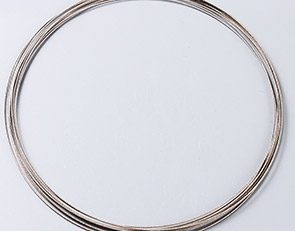
<img class="aligncenter size-large wp-image-2309" src="https://www.ensolltools.com/wp-content/uploads/2025/05/1747123198357-1024×521.png" alt="boucle de fil de diamant” width=”1024″ height=”521″ />1. What Are Hard and Brittle Materials? (Definition & Types)
Hard and brittle materials have high hardness but low fracture toughness, meaning they resist scratching but crack easily under stress. These materials are crucial for high-precision applications requiring durability and wear resistance.
Common Types of Hard and Brittle Materials:
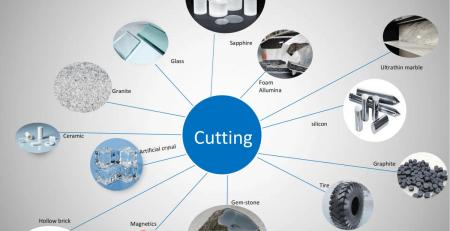
– Céramique (Alumine, Zircone, Nitrure de silicium) – Used in medical implants and cutting tools
– Verre (Borosilicate, Quartz, Gorilla Glass) – Essential for displays, Lentilles, and lab equipment
– Semi-conducteurs (Silicon Wafers, Arséniure de gallium) – Critical for electronics and solar cells
– Advanced Composites (Carbon Fiber, Ceramic Matrix Composites) – Used in aerospace and defense
– Ultra-Hard Materials (Diamond, Tungsten Carbide) – Applied in industrial cutting and drilling
Each material requires specialized cutting techniques to prevent defects.
2.Key Properties of Hard and Brittle Materials
Understanding these characteristics helps in selecting the right machining approach:
– Dureté élevée – Resistant to wear but difficult to cut with conventional tools
– Faible ténacité à la rupture – Prone to cracking under mechanical stress
– Sensibilité thermique – Sudden temperature changes can induce micro-cracks
– Anisotropic Behavior – Strength varies depending on the cutting direction
These properties make traditional machining methods (Par ex., sawing, drilling) ineffective, often leading to edge chipping.
3. Cutting Methods for Hard and Brittle Materials
To achieve clean cuts, manufacturers use advanced techniques:
3.1Découpe laser
Pros: Haute précision, minimal mechanical stress
Cons: Heat-affected zones may cause micro-fractures in sensitive materials
3.2Ultrasonic Machining (USM)
Uses high-frequency vibrations with abrasive slurry
Ideal for intricate shapes in glass and ceramics
A diamond-coated wire ensures smooth, low-stress cuts
Reduces chipping compared to traditional saws
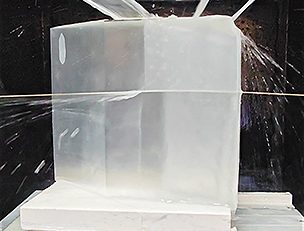
3.4Découpe au jet d’eau
High-pressure water mixed with abrasives cuts without heat
Suitable for thick materials but may leave a rough edge
3.5Precision Grinding with Diamond Tools
Diamond abrasives provide superior surface finish
Best for final finishing operations
Choosing the right method depends on material type, d'épaisseur, and required precision.
4. How to Achieve Complex Cuts in Hard and Brittle Materials
Many industries demand intricate shapes, such as smartphone camera cutouts or microfluidic channels in lab-on-a-chip devices. Here’s how to achieve them without chipping:
4.1Optimized Tool Path Strategies
Lent, controlled feed rates reduce sudden stress
CAD/CAM software ensures efficient cutting paths
4.2Laser Pre-Weakening
Creating micro-grooves before cutting minimizes crack propagation
4.3Advanced Cooling Systems
Prevents thermal shock and tool wear
4.4Specialized Cutting Machines
For complex shapes, Ensoll’s advanced cutting systems provide exceptional precision. Their machines use diamond tooling and vibration control to minimize edge damage.
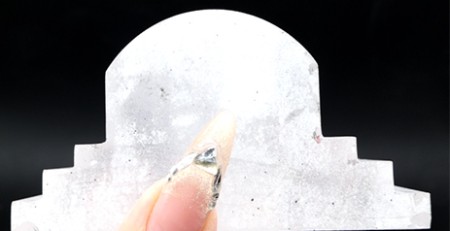
Étude de cas: Watch this complex shape cutting demonstration to see how Ensoll achieves flawless results in hard materials:
Conclusion
Cutting hard and brittle materials without chipping requires a deep understanding of material properties and advanced machining techniques. Whether you’re working with ceramics, verre, or semiconductors, choosing the right method is crucial.
For high-precision cutting solutions, explore Les solutions d'Ensoll cutting-diamond wire saw tools:
Have you faced challenges with hard material cutting? Share your thoughts or join the conversation on Facebook (en anglais seulement.