Découpe précise du verre: Scie à fil diamantée avenir
Introduction to Advanced Glass Cutting Solutions
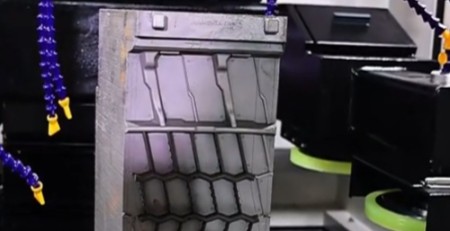
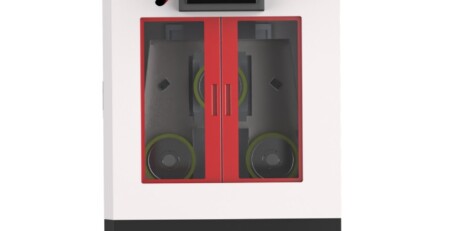
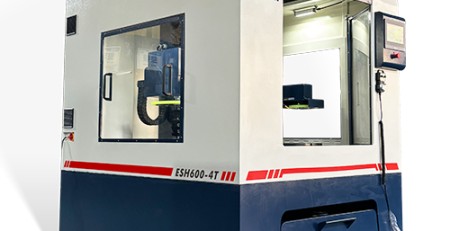
In today’s demanding optical manufacturing landscape, Découpe à la scie à fil diamantée has emerged as the gold standard for processing brittle materials with unparalleled precision. Ce guide complet explore comment les systèmes modernes de coupe automatique à boucle de fil pour matériaux fragiles transforment les industries, de la découpe de lentilles AR/VR à la fabrication d'optiques au niveau des plaquettes.
- Modern precision diamond wire saws achieve +/-0.02 mm tolerance at 300 mm/s slicing speed, with near-zero kerf loss and guaranteed crack-free optical glass machining.
- Compared with blade cutting: jusqu’à 30% less material waste, surface roughness below Ra 0.1 micrometers without secondary processing, and the ability to cut complex contours.
- Key applications include AR/VR lens production (substrates thinner than 0.3 mm) and wafer-level optics manufacturing for camera module arrays.
- Critical process parameters: la vitesse du fil 200-300 mm/s, tension 15-25 N for optical glass, and minimum-quantity lubrication cooling.
- The next wave is smart and sustainable: IoT-enabled process monitoring, self-optimizing parameters, diamond wire recycling, dry cutting, and hybrid wire saw/laser systems.
 Why Diamond Wire Saw Cutting Dominates Precision Glass Machining
Unmatched Cutting Performance
Moderne precision diamond wire saw for SCHOTT glass achieves remarkable specifications:
– ±0.02mm tolerance wire cutting capability
– 300mm/s high-speed glass slicing without compromising quality
– True zero kerf loss glass cutting for material conservation
– Guaranteed crack-free verre optique machining
Technical Advantages Over Traditional Methods
- Material Savings: Up to 30% reduction in material waste compared to blade cutting
- Qualité de surface: Ra < 0.1μm achievable without secondary processing
- Flexibilité géométrique: Capable of complex contours impossible with other methods
Cutting-Edge Applications
AR/VR Lens Production Cutting
The diamond wire saw cutting process enables:
– Ultra-thin lens substrates (<0.3mm)
– Perfect edge quality for light transmission
– Batch processing of micro-optics arrays
Wafer-Level Optics Manufacturing
Key benefits for wafer processing:
– Simultaneous cutting of multiple layers
– No chipping at microscopic scales
– Perfect for camera module arrays
The Technology Behind Precision Cutting
Automatic Wire Loop Cutter Systems
Modern automatic wire loop cutter for brittle materials incorporates:
– AI-assisted tension control
– Real-time wire wear compensation
– Automated debris management
Process Optimization
Critical parameters for crack-free optical glass machining:
- Vitesse du fil: 200-300mm/s optimal range
- Tension: 15-25N typical for optical glass
- Refroidissement: Minimum-quantity lubrication systems
Quality Assurance in Diamond Wire Cutting
Metrology Integration
– Inspection optique automatisée (AOI) systems
– Stress distribution mapping
Industry-Specific Certifications
– ISO 10110-7 for optical components
– SEMI standards for wafer processing
– MIL-PRF-13830 for precision optics
Future Trends in Glass Cutting Technology
- Smart Cutting Systems
– IoT-enabled process monitoring
– Predictive maintenance algorithms
– Self-optimizing cutting parameters
- Sustainable Practices
– Diamond wire recycling programs
– Dry cutting technology development
– Energy-efficient drive systems
- Hybrid Manufacturing
– Combined wire saw/laser processing
– In-situ metrology integration
– Additive manufacturing compatibility
Conclusion: The Precision Cutting Advantage
From AR/VR lens production cutting to specialized wafer-level optics manufacturing, diamond wire saw cutting technology delivers unprecedented capabilities. Manufacturers investing in automatic wire loop cutter for brittle materials systems gain:
– 40-60% faster processing times
– 99.8% yield rates in crack-free optical glass machining
– Ability to handle next-generation materials
Ready to upgrade your glass cutting capabilities? Contact our experts to discuss implementing precision diamond wire saw for SCHOTT glass solutions in your production line.
Questions fréquemment posées
What tolerance can a diamond wire saw hold on optical glass?
Modern precision systems achieve +/-0.02 mm tolerance while slicing at up to 300 mm/s, and can reach surface roughness below Ra 0.1 micrometers without secondary processing. Automatic wire loop cutters maintain this with AI-assisted tension control and real-time wire wear compensation.
What are the optimal cutting parameters for optical glass?
The documented optimal range is a wire speed of 200-300 mm/s, wire tension of 15-25 N for optical glass, and minimum-quantity lubrication for cooling. These settings support crack-free machining of SCHOTT and similar optical glasses.
How is diamond wire cutting used in AR/VR lens production?
It produces ultra-thin lens substrates below 0.3 mm with perfect edge quality for light transmission, and supports batch processing of micro-optics arrays. The same technology drives wafer-level optics manufacturing, cutting multiple layers simultaneously without microscopic chipping.
What are the future trends in glass cutting technology?
Three directions: smart cutting systems with IoT monitoring, predictive maintenance and self-optimizing parameters; sustainable practices such as diamond wire recycling, dry cutting and energy-efficient drives; and hybrid manufacturing that combines wire saw and laser processing with in-situ metrology.
Examiné par l'équipe d'ingénierie Ensoll.