Guida ai modi migliori per tagliare i magneti al neodimio
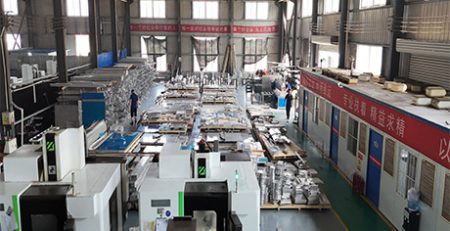
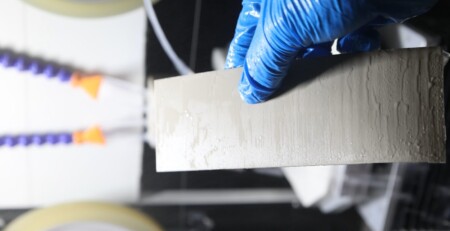
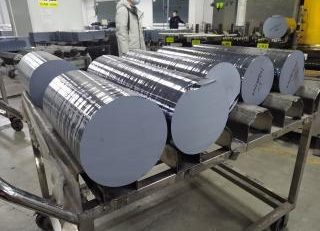
Magneti al neodimio, conosciuto anche come magneti NdFeB, possiedono una forza incredibile e sono ampiamente utilizzati in una varietà di applicazioni. Tuttavia, Ci possono essere casi in cui questi magneti devono essere tagliati o ridimensionati per soddisfare requisiti specifici. In tali casi, it is important to have a good understanding of the tools and techniques that can be used for cutting neodymium magnets effectively.Let’s start by getting to know neodymium magnets——beginning with a visual look.If you would like to learn more about the characteristics of NdFeB in detail, simply click the image.
Ultima revisione: Settembre 2026

- NdFeB magnets are extremely hard and brittle, and heat from conventional cutting can permanently demagnetise them.
- Diamond wire cutting is the safest method: bassa forza, continuous water cooling, no heat-affected zone.
- Cut faces lose the original coating and expose bare NdFeB, which corrodes — re-coating is standard practice.
1.Strumenti per il taglio di magneti al neodimio:
1.1 Sega a filo diamantato:
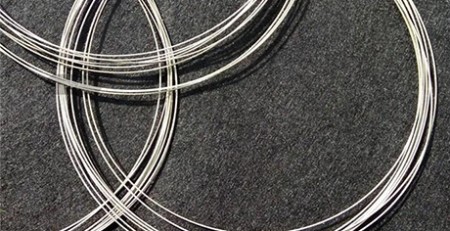
One of the most popular tools for cutting neodymium magnets is a Sega a filo diamantato. This tool consists of a thin, filo rivestito di diamante in grado di effettuare tagli precisi. Il rivestimento in diamante garantisce prestazioni di taglio durevoli ed efficienti. I seghetti a filo diamantato sono particolarmente utili quando sono richiesti tagli intricati o forme complesse.
Vantaggi:
– Riduzione della perdita di materiale: La sottile larghezza del taglio riduce gli sprechi di materiale, cosa particolarmente importante quando si lavora con materiali di terre rare ad alto costo.
– Minore stress meccanico: La forza di taglio è distribuita uniformemente lungo il filo, riducendo il rischio di scheggiature, cracking, o delaminazioni comunemente osservate con i metodi di taglio abrasivo convenzionali.
– Stabilità termica: Poiché il processo di taglio genera meno calore localizzato rispetto al laser o alla rettifica meccanica, aiuta a preservare le proprietà magnetiche del materiale.
– Qualità della superficie: La superficie di taglio risultante è generalmente liscia e richiede meno lavorazioni successive, che può semplificare le fasi di produzione successive.
– Flessibilità del processo: Le seghe a filo diamantato possono adattarsi a varie dimensioni e forme di magneti, da piccoli blocchi a grandi segmenti, con risultati costanti.
punto debole:
Componenti ad alta precisione: L'attrezzatura richiede componenti precisi come sistemi avanzati di guida del filo, meccanismi di controllo della tensione, e unità di azionamento ad alta velocità. Il costo di produzione di questi componenti principali è relativamente alto.
Sistemi di controllo complessi: Per garantire precisione e stabilità del taglio, l'attrezzatura necessita tipicamente di sistemi di controllo e software specializzati, che aumentano ulteriormente il costo complessivo.
Video dimostrativo del taglio con filo diamantato a loop:

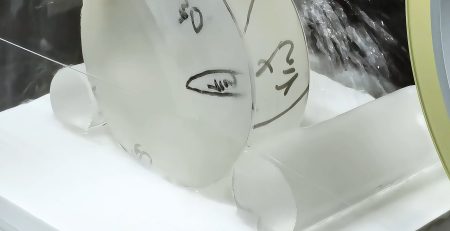
Un altro strumento comunemente usato per tagliare i magneti al neodimio è una mola diamantata. Questo strumento versatile è adatto sia per tagli grossolani che per modellature più fini. L'abrasivo in diamante incorporato nella ruota garantisce una rimozione efficiente del materiale, consentendo un taglio e una modellatura precisi dei magneti.
punto debole:L'uso di una mola diamantata per tagliare i magneti al neodimio presenta ancora importanti svantaggi. I principali problemi sono il calore intenso che può smagnetizzare i magneti, la produzione di polvere metallica pericolosa e infiammabile, e l'usura rapida della costosa mola diamantata stessa, rendendo il metodo costoso e rischioso.

Una macchina da taglio abrasiva, come un seghetto da taglio di precisione, può anche essere utilizzata per tagliare i magneti al neodimio. Queste macchine impiegano una lama rotante ad alta velocità con particelle abrasive. Offrono il vantaggio di produrre tagli netti, dritti con minimo spreco di materiale.
punto debole:L'uso di un taglierino abrasivo sui magneti al neodimio presenta svantaggi chiave: genera calore intenso che può smagnetizzare permanentemente il materiale, produce polvere metallica pericolosa, infiammabile, e spesso provoca bordi scheggiati, crepati che richiedono finiture aggiuntive. Il processo provoca anche usura rapida della ruota da taglio.
 1.4 Lavorazione a scarica elettrica (EDM):
Per tagli più intricati e complessi, erosione elettrica dei materiali (EDM) è un'opzione valida. L'EDM utilizza scariche elettriche per erodere il materiale, risultando in forme precise e intricate. È un metodo di taglio senza contatto che minimizza il rischio di danni da calore sui magneti al neodimio.
punto debole:Usare la Macchina a Scarica Elettrica (EDM) per tagliare i magneti al neodimio presenta svantaggi specifici. I principali sono una velocità di taglio relativamente lenta e costi operativi più elevati sia per l'attrezzatura che per l'energia. Richiede inoltre che il magnete sia elettricamente conduttivo, il che può essere complicato dalla placcatura protettiva in nichel del magnete.
 2.Determinare lo strumento migliore per tagliare i magneti al neodimio
Quando si tratta di tagliare i magneti al neodimio con precisione ed efficienza, il Sega a filo diamantato si distingue come la scelta principale tra i professionisti. Questo strumento specializzato utilizza un filo sottile, rivestito di diamante per effettuare tagli puliti e accurati nei magneti al neodimio. Esaminiamo le caratteristiche e i vantaggi della sega a filo diamantato.
- La sega a filo diamantato è progettata specificamente per gestire la durezza e la resistenza dei magneti al neodimio. Il rivestimento in diamante sul filo garantisce prestazioni di taglio eccezionali, assicurando tagli lisci e precisi senza compromettere l'integrità del magnete. Questa caratteristica lo rende lo strumento ideale per varie esigenze di taglio, soprattutto quando sono coinvolte forme intricate o tagli complessi.
- Uno dei principali vantaggi della sega a filo diamantato è la sua capacità di fornire un eccellente controllo sul processo di taglio. La sottigliezza del filo consente una manovrabilità precisa, permettendo agli operatori di creare tagli e forme intricate con facilità. Questo livello di controllo è essenziale quando si lavora con magneti al neodimio, poiché eventuali errori o tagli imprecisi possono influire sulla loro funzionalità.
- Il sega ad anello a filo diamantato è anche apprezzato per la sua efficienza. Il rivestimento in diamante sul filo garantisce una lunga durata dell'utensile, riducendo la necessità di sostituzioni frequenti e aumentando l'efficacia dei costi. Inoltre, Il processo di taglio con una sega a filo diamantato produce scarti minimi, consentendo la massima utilizzazione del materiale del magnete al neodimio.
- Un altro vantaggio significativo della sega a filo diamantato è la sua versatilità. Può essere utilizzata sia per tagli dritti che curvi, rendendola adatta a una vasta gamma di applicazioni. Che tu abbia bisogno di tagliare magneti al neodimio in forme semplici o design complessi, la sega a filo diamantato può fornire i risultati desiderati con precisione e costanza.
3.Precauzioni per il taglio dei magneti al neodimio:
Quando si tagliano magneti al neodimio, è fondamentale prendere alcune precauzioni:
3.1Indossare dispositivi di protezione individuale appropriati (DPI), inclusi occhiali di sicurezza, guanti, e una maschera facciale, per proteggersi dai detriti volanti.
3.2Fissare saldamente il magnete per evitare movimenti durante il taglio.
3.3Lavorare in un'area ben ventilata o utilizzare dispositivi di estrazione della polvere per ridurre al minimo l'inalazione di particelle fini di magnete.
3.4Evitare la generazione di calore eccessivo durante il taglio, poiché può demagnetizzare il magnete al neodimio.
3.5Seguire le linee guida e le raccomandazioni del produttore per lo specifico utensile da taglio utilizzato.
Conclusione:
Il taglio dei magneti al neodimio richiede un'attenta considerazione degli strumenti, dei metodi, e delle precauzioni per garantire risultati precisi e sicuri. Sia che si utilizzi una sega a filo diamantato, una mola diamantata, un taglierino a ghigliottina, o EDM, è essenziale selezionare l'utensile appropriato in base ai requisiti di taglio. Seguendo le precauzioni raccomandate, è possibile tagliare efficacemente i magneti al neodimio mantenendo le loro proprietà magnetiche e l'integrità.
Domande Frequenti
È possibile tagliare un magnete al neodimio?
Sì, ma non con strumenti ordinari. Si utilizza il taglio o la rettifica con filo diamantato, always with plenty of coolant.
Will cutting a neodymium magnet demagnetise it?
Local heating above the grade’s maximum operating temperature will permanently weaken it, which is why cooled cutting is essential.
What is the safest way to cut NdFeB magnets?
A diamond wire saw with continuous water cooling. It applies low force and keeps the material well below its temperature limit.
Do cut magnets need re-coating?
Sì. The cut face exposes bare NdFeB, which corrodes quickly; sealing or re-coating the exposed face is standard practice.
Contenuto tecnico esaminato dal team di ingegneria Ensoll — un produttore di anelli diamantati con 10+ anni di esperienza produttiva.