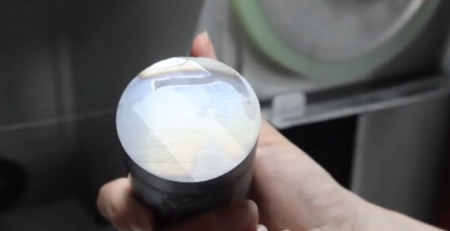
Lo zaffiro è ossido di alluminio cristallino (Al2O3) — il minerale corindone, Mohs 9, il secondo minerale naturale più duro dopo il diamante; l'Al2O3 puro è incolore.
i colori provengono da tracce di impurità: blu dal titanio più ferro, rosa dal cromo, viola dal vanadio; una volta che il cromo produce un rosso vero, la pietra viene classificata come rubino invece.
Gli zaffiri naturali si formano ad alte temperature e pressioni nelle rocce metamorfiche e ignee; le principali fonti includono Kashmir, Myanmar, Sri Lanka, Madagascar, Australia e Montana.
Lo zaffiro sintetico — prodotto dalla fusione a fiamma Verneuil (da allora 1902), tiraggio Czochralski, crescita da flusso o idrotermale — ha proprietà fisiche identiche e serve per cristalli di orologi, substrati LED, coperture per lenti dei telefoni e impianti medici.
Solo gli utensili in diamante tagliano lo zaffiro in modo efficiente; il taglio a filo di diamante dà superfici lisce, tagli controllati con danni superficiali minimi, proteggendo sia le lamine LED sia i costosi grezzi naturali.
Quando pensi agli zaffiri, probabilmente immagini una gemma blu profondo in un anello reale o in un orologio di lusso. Ma gli zaffiri sono molto più interessanti di quanto la loro bellezza suggerisca. Quindi, di cosa sono fatti gli zaffiri?
La risposta breve è ossido di alluminio (Al₂O₃). La risposta più lunga riguarda le strutture cristalline, gli elementi in traccia, e persino applicazioni industriali che potrebbero sorprenderti. In questo articolo, esploreremo la composizione degli zaffiri, come si formano, e come vengono modellati sia per i gioielli sia per usi ad alta tecnologia.
La Chimica di Base dello Zaffiro
Ossido di Alluminio: La Fondazione
Al suo interno, uno zaffiro è una forma cristallina di ossido di alluminio, un composto chimico composto da due atomi di alluminio legati a tre atomi di ossigeno (Al₂O₃). Questo è lo stesso composto che forma il minerale corindone, il secondo minerale naturale più duro dopo il diamante, classifica 9 sulla scala di durezza di Mohs.
L'ossido di alluminio puro è in realtà incolore. I colori sorprendenti che associamo agli zaffiri derivano da impurità in tracce—piccole quantità di altri elementi che sostituiscono alcuni atomi di alluminio nella struttura cristallina.
Da dove viene il blu?
Il classico zaffiro blu ottiene il suo colore da piccole quantità di titanio e ferro. Quando questi due elementi si trovano insieme nella struttura cristallina, interagiscono con la luce in modo da assorbire determinate lunghezze d'onda e trasmettere il blu. La tonalità esatta dipende dal rapporto e dalla concentrazione di queste impurità.
Altri colori e cosa li provoca
Gli zaffiri si presentano in quasi tutti i colori dell'arcobaleno. Ecco cosa genera ogni tonalità:
Colore
Elemento causale
Blu
Titanio + Ferro
Giallo
Ferro
Verde
Ferro + Titanio (rapporto diverso)
Rosa
Cromo
Arancione
Ferro + Cromo
Violaceo
Vanadio
Incolore
Senza impurità
Il corindone rosso non si chiama zaffiro—si chiama rubino. La differenza è semplicemente una questione di colore e concentrazione di cromo. Una volta che il livello di cromo produce un rosso che soddisfa determinati standard, la gemma viene classificata come rubino invece che come zaffiro rosa.
Parte Due: Come si formano naturalmente gli zaffiri
Origini geologiche
Gli zaffiri naturali si formano in profondità nella crosta terrestre in condizioni specifiche. Richiedono:
– Alta temperatura (circa 800–1.800°C)
– Alta pressione (diversi kilobar)
– Ambienti ricchi di alluminio e poveri di silice
La maggior parte degli zaffiri si forma in rocce metamorfiche come marmo, gneiss, e scisto. Possono anche formarsi in rocce ignee come il basalto. Nel corso di milioni di anni, l'erosione libera questi cristalli dalle rocce madri, e l'acqua li trasporta nei letti dei fiumi dove i minatori li trovano come depositi alluvionali.
Mining Locations
Major sapphire sources include:
– Kashmir (famous for intense blue, now largely depleted)
– Myanmar (Burma) – known for high-quality blues
– Sri Lanka (Ceylon) – produces a wide range of colors
– Madagascar – a major modern source
– Australia – large volumes but darker stones
– Montana, USA – unique pale blues and yellows
Part Three: Synthetic Sapphires – Made by Humans
Why Create Synthetic Sapphires?
Natural sapphires are rare and expensive. For many industrial and even some jewelry applications, synthetic sapphires offer the same physical and chemical properties at a fraction of the cost.
The first successful synthetic sapphire was created in 1902 by French chemist Auguste Verneuil. His flame fusion method remains in use today, though more advanced techniques have since been developed.
Methods of Production
Verneuil (Fusione a fiamma) Metodo:
La polvere di ossido di alluminio finemente macinata viene fatta cadere attraverso una fiamma ad alta temperatura. La polvere si scioglie e cade su un piedistallo rotante, dove si solidifica in un unico cristallo a forma di boule. Questo metodo è veloce ed economico ma produce pietre con linee di crescita curve.
Metodo Czochralski:
Lo stesso metodo utilizzato per wafer di silicio. L'ossido di alluminio viene fuso in un crogiolo, e un cristallo seme viene immerso nel fondo fuso e lentamente tirato verso l'alto mentre ruota. Questo produce cristalli di qualità estremamente elevata con struttura interna perfetta.
Metodi di Crescita a Flusso e Idrotermale:
Questi metodi più lenti imitano le condizioni di crescita naturali. Producono pietre sintetiche più costose che assomigliano strettamente agli zaffiri naturali, spesso utilizzate per gioielli di alto livello quando le pietre naturali sono troppo costose.
Usi industriali dello zaffiro sintetico
Because synthetic sapphire shares the hardness and chemical resistance of natural sapphire, it serves many technical roles:
– Watch crystals (scratch-resistant faces)
– Smartphone camera lens covers and display screens (some premium phones use sapphire glass)
– substrati LED (sapphire wafers for gallium nitride LED growth)
– Medical implants (biocompatible components)
– High-pressure windows for scientific instruments
– Thin-film substrates for electronics
Part Four: Cutting and Shaping Sapphire
The Challenge of Cutting Sapphire
Sapphire is exceptionally hard—second only to diamond. Cutting it is not like cutting glass or metal. Traditional steel tools will not scratch a sapphire surface. Instead, cutting and shaping sapphire requires diamond tooling, because only diamond is harder than sapphire (10 vs. 9 on the Mohs scale).
From Rough Crystal to Polished Gem
For gemstones, the process involves:
Sawing the rough crystal into manageable pieces
Grinding to create basic shapes (cabochons or faceted preforms)
Lapping to flatten and smooth surfaces
Faceting to cut precise angles that reflect light
Polishing to achieve a mirror finish
For industrial sapphire components (finestre, wafers, watch crystals), the process is similar but with stricter dimensional tolerances. Large synthetic sapphire boules must be sliced into thin wafers or plates.
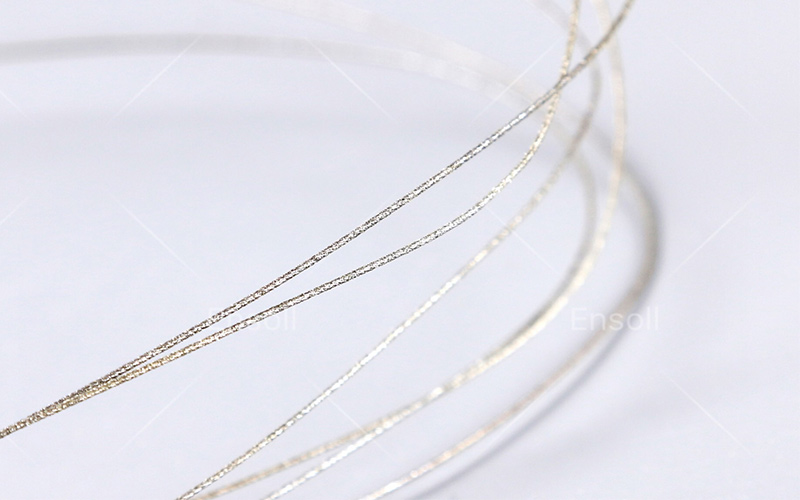
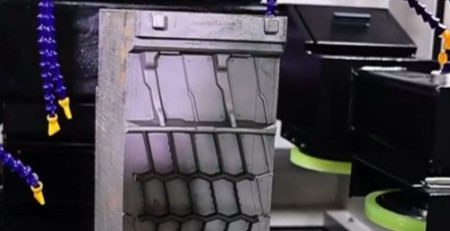
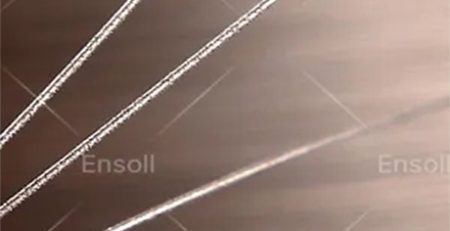
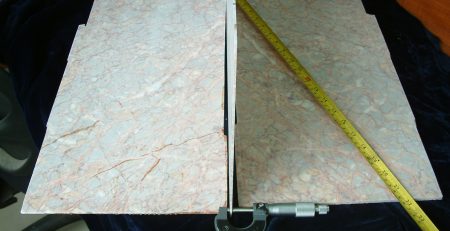
This is where precision cutting technology becomes essential. Slicing a sapphire boule into thin wafers requires a tool that can maintain consistent thickness while minimizing cracks and waste. Il anello di filo diamantatooffers exactly this capability. The continuous loop of diamond-coated wire moves in one direction, providing a smooth, controlled cut with minimal subsurface damage. Questa tecnica è particolarmente preziosa per produrre fette di zaffiro utilizzate nella produzione di LED o per tagliare zaffiri naturali costosi dove ogni millimetro di materiale conta.
Parte Cinque: Zaffiro vs. Altri Gioielli
Zaffiro vs. Rubino
Come menzionato, entrambi sono corindoni (Al₂O₃). L'unica differenza è il colore. Non esiste una differenza chimica—solo una convenzione storica e commerciale nel nome. Alcuni zaffiri rosa contengono lo stesso cromo dei rubini ma a concentrazioni più basse.
Zaffiro vs. Diamante
Il diamante è carbonio puro in struttura cristallina cubica. Il zaffiro è ossido di alluminio in structure trigonale (esagonale) struttura. Il diamante è più duro (10 vs. 9) e ha un indice di rifrazione più alto (2.42 vs. 1.77), il che significa che i diamanti generalmente mostrano più brillantezza. Tuttavia, Il zaffiro è più resistente (meno propenso a sfaldarsi) e costa molto meno, rendendolo pratico per molte applicazioni dove il diamante sarebbe eccessivo.
Zaffiro vs. Vetro
Il vetro è amorfo (non cristallino) silicon dioxide with various additives. Lo zaffiro è ossido di alluminio cristallino. Sapphire is much harder, more scratch-resistant, and has higher thermal conductivity. Tuttavia, glass is cheaper and easier to shape, which is why most phone screens still use glass rather than sapphire.
—
Part Six: How to Identify a Real Sapphire
Common Tests
Hardness test: Sapphire scratches glass and most other gemstones (except diamond). But this test is destructive and not recommended for finished jewelry.
Refractive index: Professional gemologists use a refractometer. Natural and synthetic sapphires both measure 1.762–1.770.
Inclusions: Natural sapphires often contain tiny inclusions—rutile needles, mineral crystals, or growth lines. Synthetic sapphires may show curved striae (Verneuil) or clean interiors (Czochralski).
Spectroscopy: A spectroscope reveals absorption patterns characteristic of specific trace elements. Blue sapphires show lines from iron and titanium.
Natural vs. Synthetic
For most practical purposes (durezza, chemical resistance, optical properties), natural and synthetic sapphires are identical. The difference is origin and price. A trained gemologist can distinguish them by internal features, but the average person cannot and does not need to.
Conclusione: A Simple Composition with Remarkable Range
Quindi, di cosa sono fatti gli zaffiri? The answer is delightfully simple: aluminum oxide with a pinch of trace elements. Yet this straightforward composition produces one of the most varied and valuable families of gemstones on Earth. From the deep blues of Kashmir to the industrial precision of synthetic wafers, sapphire combines beauty, durabilità, and utility in ways few other materials can match.
Whether you admire a sapphire in a royal crown, wear one as a birthstone (Settembre), o fare affidamento su una finestra di zaffiro in uno strumento scientifico, stai osservando lo stesso materiale straordinario—corindone, colorato e modellato per il suo scopo.
Domande Frequenti
Di cosa sono fatti gli zaffiri?
Ossido di alluminio (Al2O3) — due atomi di alluminio legati a tre atomi di ossigeno in un reticolo cristallino. Questo è il minerale corindone, classificazione 9 sulla scala di durezza di Mohs. L'ossido di alluminio puro è incolore; i colori familiari provengono da elementi in traccia che sostituiscono alcuni atomi di alluminio nel reticolo.
Cosa dà il colore allo zaffiro blu?
Piccole quantità di titanio e ferro presenti insieme nella struttura del cristallo. Interagiscono con la luce in modo tale che alcune lunghezze d'onda sono assorbite e il blu è trasmesso; la tonalità esatta dipende dal rapporto e dalla concentrazione delle due impurità.
Uno zaffiro sintetico è un vero zaffiro?
In termini fisici e chimici, sì: synthetic sapphire has the same hardness, chemical resistance and optical properties as natural sapphire. The difference is origin and price. Gemologists can distinguish them by internal features such as curved growth lines, but for industrial uses they are interchangeable.
How do you cut sapphire?
Only diamond tooling works, because diamond (Mohs 10) is the only material harder than sapphire (Mohs 9). For slicing boules into wafers or cutting valuable rough, a diamond wire loop provides a smooth, controlled, continuous cut with minimal subsurface damage and very little material loss.
Punti principali
L'allumina è dura, resistente all'usura e fragile; lo scheggiamento all'ingresso e all'uscita del taglio è il difetto principale... leggi di più
Key Takeaways
NdFeB magnets are built from three elements with distinct roles: il neodimio fornisce la forza magnetica, il ferro stabilizza la struttura... leggi di più
Punti chiave
La tecnologia del bordo senza scheggiature utilizza anelli di filo diamantato ultra-sottile per minimizzare lo stress meccanico, produzione di bordi lisci senza schegge, più alto... leggi di più
Che cosa filo diamantato ciclo?
L'anello del filo diamantato si riferisce a un utensile da taglio costituito da un filo a forma di anello incorporato con diamante.. leggi di più
Precision inceramico il taglio delle piastrelle è fondamentale. Esplora l'arte dell'utilizzo dei Diamond Wire Loops, una tecnica che combina innovazione... leggi di più
Punti chiave
Il taglio dei cristalli di semiconduttori trasforma i lingotti grezzi in wafer, and the slicing step sets both yield and downstream surface quality.
Diamante... leggi di più
Taglio ad anello con filo diamantato (DWLC) utilizza linee incorporate in particelle di cristallo di diamante abrasivo per tagliare il materiale. Perché il diamante è.... leggi di più
La transizione globale verso l'energia pulita e l'informatica avanzata ha posto una pressione senza precedenti sulle catene di approvvigionamento dei fotovoltaici... leggi di più
Punti Chiave
La produzione di semiconduttori inizia con la fabbricazione di wafer, dove l’affettatura con filo di diamante definisce sia il rendimento sia la qualità della superficie.
Rivestimento con fotoresist, litografia, incisione.... leggi di più

 La Chimica di Base dello Zaffiro
 Il classico zaffiro blu ottiene il suo colore da piccole quantità di titanio e ferro. Quando questi due elementi si trovano insieme nella struttura cristallina, interagiscono con la luce in modo da assorbire determinate lunghezze d'onda e trasmettere il blu. La tonalità esatta dipende dal rapporto e dalla concentrazione di queste impurità.