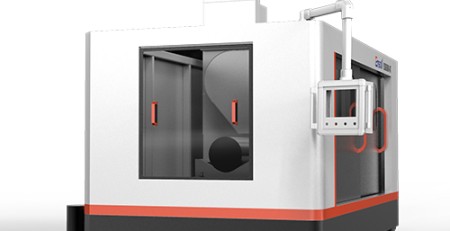
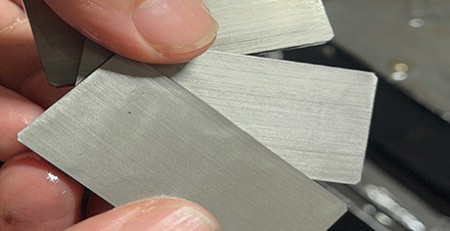
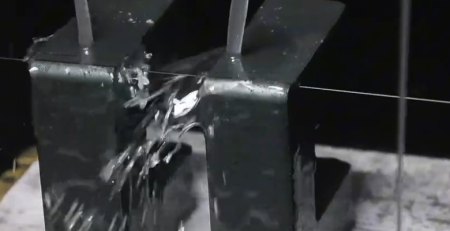
In the world of tire recycling, retreading, and disposal, one of the most challenging tasks is cleanly and efficiently cutting through the tough, reinforced sidewall of a tire. Whether you’re processing passenger car tires or massive off-the-road (OTR) truck tires, the choice of your cutting equipment directly impacts your productivity, operational costs, and the quality of your output.
Key Takeaways
A tire sidewall is a composite of high-tensile steel cords, fabric plies and abrasion-resistant rubber that quickly dulls and defeats conventional blades – but not diamond-impregnated beads.
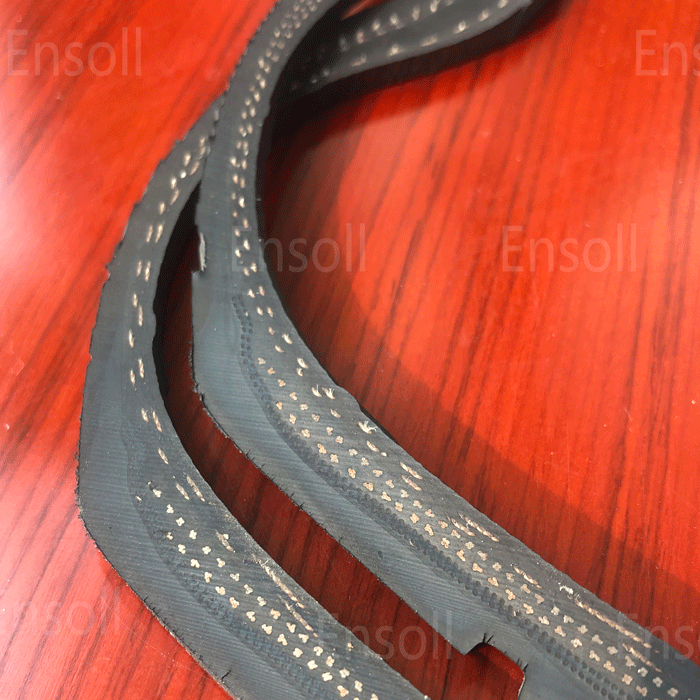
A diamond wire consists of a high-carbon steel core, sintered diamond-impregnated beads as cutting teeth, and springs between beads that prevent collision wear and channel coolant to flush debris.
Diamond wire sawing is a predominantly cold process: very little heat, no burned rubber, no toxic smoke and no alteration of the material’s properties.
One machine handles everything from passenger car tires to giant OTR and mining tires with minimal adjustment – a single-machine solution for mixed recycling streams.
Total Cost of Ownership beats shearers and abrasive wheels: low cost-per-cut from long wire life, minimal downtime, and cleaner output that commands higher recycling value.
For those searching for the most effective solution, the term “tire sidewall cutting machine” consistently leads to one superior technology: thediamond wire saw cutting system. But why is this method so highly recommended? In this comprehensive guide, we will delve into the reasons behind its dominance, explain what diamond wire is, analyze its cost-effectiveness, and outline the key factors to consider for your operation.
1. Why a Diamond Wire Saw is Unbeatable for Tire Sidewall Cutting
The sidewall of a tire is a formidable opponent. It’s not just a slab of rubber; it’s a complex composite of high-tensile steel cords, resilient fabric plies (like nylon or polyester), and abrasion-resistant rubber compounds. Conventional cutting methods struggle against this combination, but a diamond wire saw cutting machine slices through it with astonishing ease. Here’s why:
Unmatched Hardness and Wear Resistance:
Diamond is the hardest material known to man. The steel belts and cords that quickly dull traditional blades are no match for diamond-impregnated beads. This results in a tool that wears down incredibly slowly, maintaining its cutting sharpness and efficiency over a long lifespan, even when processing thousands of tires.
Superior Cutting Efficiency and Speed:
Diamond wire saws operate at high speeds, creating a continuous, fast, and smooth cutting action. Unlike methods that rely on brute force, the diamond wire efficiently abrades through the material. This leads to significantly higher throughput, allowing you to process more tires per hour and maximize your operational capacity.
The “Cold Cutting” Advantage:
Traditional grinding wheels or saws generate a tremendous amount of heat through friction. This heat can burn the rubber, creating toxic smoke, unpleasant odors, and altering the chemical properties of the material. Diamond wire saw cutting, in contrast, is a predominantly “cold” process. It generates very little heat, preserving the integrity of the rubber and creating a safer, healthier work environment free from noxious fumes.
Versatility Across All Tire Types:
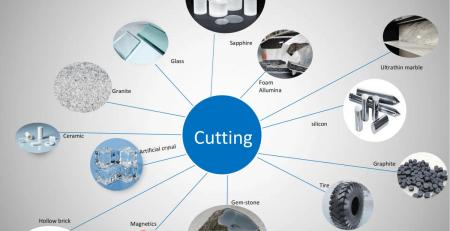
From standard car tires to heavy-duty mining tires with layers of thick steel, a diamond wire saw cutting machine handles them all with minimal adjustment. You don’t need different blades or tools for different jobs. This versatility makes it an ideal single-machine solution for recycling facilities that encounter a wide variety of tire sizes and constructions.
Where steel reinforcement dominates the cut, a wire saw for metal with a coarser diamond grit usually gives longer wire life and a cleaner edge.
2. What is Diamond Wire? Deconstructing the Technology
At first glance, a diamond wire might look like a simple cable, but it’s a highly engineered precision tool. Understanding its construction is key to appreciating its performance.
A typical diamond wire for a tire sidewall cutting machine consists of three main components:
The Core: This is the central strand, usually made from high-carbon steel or a special alloy. It provides the wire with its tensile strength, allowing it to withstand the high tension and pulling forces during operation without stretching or breaking.
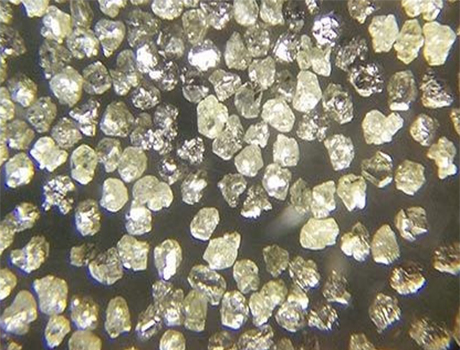
The Diamond-Impregnated Beads: These are small, cylindrical beads strung along the core at regular intervals. Each bead is manufactured by sintering—a process of fusing metal powder (often a cobalt-based matrix) with industrial-grade diamond particles under high heat and pressure. This creates incredibly durable cutting “teeth” that are permanently bonded to the bead.
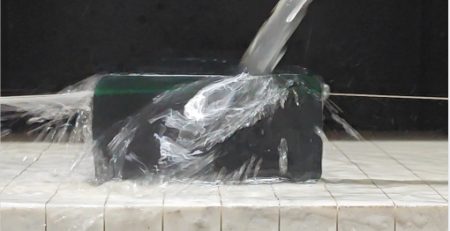
The Springs and Spacers: High-quality springs are placed between the diamond beads. They serve two crucial functions: they protect the beads from colliding with each other during operation, reducing wear, and they help to flush out the cutting debris. As the wire moves, the springs create space for coolant (usually water) to flow through, carrying away rubber and metal particles and keeping the wire cool and clean.
This entire assembly forms a continuous loop that is driven by a motor and guided by a system of pulleys on the cutting machine. The synergy of strength, diamond cutting surfaces, and efficient debris removal is what makes this technology so effective for tackling the toughest tire sidewalls.
3. The True Cost of a Diamond Wire Saw Cutting Machine: Investment vs. Expense
The initial price tag of a diamond wire saw cutting machine is often higher than that of traditional alternatives like shearers or giant saws. However, focusing solely on the purchase price is a short-sighted approach. To understand the real value, you must conduct a Total Cost of Ownership (TCO) analysis.
Initial Investment (The “Sticker Shock”):
Yes, the upfront cost for a robust diamond wire saw machine and its diamond wire loops is significant. You are investing in advanced, durable technology. This is the most visible cost and often the biggest hurdle for small businesses.
Long-Term Operational Costs (The Real Savings):
This is where the diamond wire saw machine shines and proves its economic superiority.
Low Cost-Per-Cut: While a diamond wire loop costs hundreds or even thousands of dollars, its lifespan is immense. When you divide the cost of the wire by the number of tires processed, the cost-per-cut becomes remarkably low.
Minimal Downtime and High Productivity: Time is money. Diamond wires last for extended periods without needing replacement. This means less machine downtime for tool changes, leading to more hours of productive cutting. The high cutting speed further multiplies this productivity gain.
Reduced Labor and Maintenance: These machines are designed for efficiency and often feature semi-automatic or fully automatic operation. The lack of extreme forces (compared to shearing) also reduces stress on the machine’s mechanical components, leading to lower long-term maintenance costs.
Value of Output Quality: The clean, unburned cuts produced by diamond wire increase the value of your output. For recyclers, the rubber chunks are free of contaminants, and the steel cord is cleanly exposed, making both materials more valuable in the recycling market. For retreaders, the perfect cut minimizes subsequent buffing work and ensures a high-quality final product.
Comparison with Lower-Cost Alternatives:
Shear Machines: Subject to immense stress, leading to frequent breakdowns, hydraulic issues, and component wear. The cut quality is poor, with torn steel and deformed rubber.
Abrasive Grinding Wheels: The wheels wear down extremely quickly, creating a constant recurring cost. The process is slow, dusty, and generates dangerous heat and fumes.
In conclusion, while the diamond wire saw machine requires a higher initial investment, its superior efficiency, durability, and output quality lead to a significantly lower Total Cost of Ownership and a faster Return on Investment (ROI) for any serious, high-volume operation.
4. Key Factors to Consider When Cutting Tire Sidewalls
Choosing the right tire sidewall cutting machine involves more than just selecting the technology. You need to evaluate your specific needs and operational environment. Here are the critical factors to consider:
4.1 Production Volume and Tire Types:
Volume: Are you processing a few tires a day or hundreds? For low-volume, occasional use, a smaller, manual diamond wire saw machine may suffice. For high-volume industrial recycling, a fully automated, high-capacity system is necessary.
Tire Types: The size and construction of the tires matter most. Cutting passenger car tires is very different from cutting giant OTR or earthmover tires. Ensure the machine you choose has the throat capacity, power, and wire length to handle your target tire sizes.
4.2 Cut Quality Requirements:
What is the end goal of your cutting process?
Recycling: A clean cut is beneficial for material separation and value, but absolute perfection may be less critical than speed.
Retreading: The cut quality is paramount. The surface must be smooth and precise to ensure a successful bond with the new tread. A diamond wire saw cutting machine is virtually mandatory for this application.
Disposal/Size Reduction: The primary goal is to reduce volume. While any cutter can do this, the speed and lack of fumes from a diamond wire saw are major advantages.
4.3 Operational Environment and Safety:
Coolant System: Diamond wire saw cutting requires a water-based coolant system. You need a reliable water source and a plan for managing the runoff, which will contain fine rubber and metal particles (fines). Many systems come with integrated filtration or settling tanks.
Dust and Fume Control: This is a standout benefit. Unlike grinding, diamond wire saw cutting produces no toxic dust and minimal fumes, drastically improving
4.4 Automation and Ease of Use:
Modern diamond wire saw machines offer varying levels of automation. From simple manual clamping to fully automated systems where a robot loads the tire and the machine makes pre-programmed cuts, automation can drastically boost your output and consistency while reducing labor costs. Consider your budget and labor force when deciding on the level of automation
Conclusion: A Cut Above the Rest
When evaluating the best method for tire sidewall cutting, the evidence is clear. While alternative machines may seem appealing due to a lower initial price, they come with hidden costs: frequent downtime, high consumable expenses, poor cut quality, and hazardous operating conditions.
A diamond wire saw cutting machine represents a modern, intelligent, and sustainable solution. It transforms a difficult, messy, and costly process into a clean, efficient, and profitable operation. By investing in this technology, you are not just buying a machine; you are investing in higher productivity, superior output quality, a safer workplace, and ultimately, a stronger bottom line.
For any business serious about tire processing, the choice is simple. Choose diamond wire saw technology—the definitive best practice for cutting tire sidewalls.
Frequently Asked Questions
Why is a diamond wire saw the best choice for cutting tire sidewalls?
Diamond is the hardest known material, so the steel belts and cords that quickly dull traditional blades wear the wire down incredibly slowly. The process is fast and continuous, it is a predominantly cold cut that produces no toxic smoke or burned rubber, and a single machine handles all tire types from car tires to heavy-duty mining tires with minimal adjustment.
What is diamond wire made of?
Three main components: a high-carbon steel or special alloy core that provides tensile strength; diamond-impregnated beads sintered from industrial diamond particles in a cobalt-based metal matrix, forming durable cutting teeth; and springs and spacers between the beads that protect them from colliding and help coolant flush away rubber and metal debris.
Does cutting tires with a diamond wire saw produce dust or fumes?
No. Unlike abrasive grinding, diamond wire saw cutting is a cold process that produces no toxic dust and minimal fumes, drastically improving workplace safety. It does use a water-based coolant system, so you need a reliable water source and a plan for managing runoff containing fine rubber and metal particles.
Is a diamond wire saw machine worth the higher price for tire recycling?
Yes, when judged by Total Cost of Ownership rather than sticker price. The wire’s long lifespan makes cost-per-cut remarkably low, extended intervals between wire changes minimize downtime, and the clean, unburned cuts increase the value of both the rubber and the exposed steel cord. For any serious high-volume operation, ROI is faster than with shearers or grinding wheels.
Can the same diamond wire saw machine cut both car tires and OTR tires?
Yes. From standard car tires to heavy-duty mining tires with layers of thick steel, a diamond wire saw handles them all with minimal adjustment and no tool changes. Just ensure the machine you choose has the throat capacity, power and wire length for your target tire sizes.
Key Takeaways
A diamond wire saw cutting machine cuts with a continuous loop of diamond-embedded wire, delivering clean, intricate cuts with... read more
Key Takeaways
The best magnetic material cutting manufacturers combine diamond wire saw technology, tight tolerances and zero thermal damage — the... read more
In the ever-evolving landscape of advanced manufacturing, Diamond Wire Loop Cutting has established itself as a transformative technology for... read more
In the world of advanced manufacturing, precision cutting of magnetic materials represents one of the most challenging yet crucial processes.... read more

 1. Why a Diamond Wire Saw is Unbeatable for Tire Sidewall Cutting