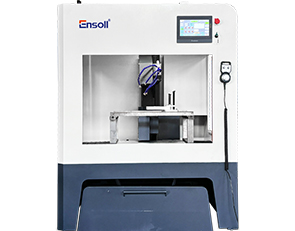
Laço de Fio de Diamante na Fabricação Avançada
No panorama da manufatura industrial moderna, a capacidade de separar os materiais de forma limpa é um pré-requisito fundamental para as etapas subsequentes de processamento. À medida que as aplicações de engenharia evoluem, os materiais utilizados estão a tornar-se cada vez mais complexos — desde estruturas cristalinas ultra-duras a compósitos altamente abrasivos e substratos em camadas frágeis. Serrotes abrasivos tradicionais e métodos de corte térmico falham frequentemente ao enfrentar estas composições avançadas, introduzindo muitas vezes defeitos estruturais ou desperdício de material inaceitável.
Para superar esses gargalos de fabrico, as indústrias em todo o mundo recorreram à combinação de máquinas de corte com fio de diamante de alto desempenho e seus essenciais, consumíveis de alta velocidade: o laço de fio de diamante. Compreendendo a interação específica entre este laço abrasivo contínuo e várias classes de materiais, production facilities can optimize their separation processes for maximum structural integrity.
—
The Universal Cutting Mechanism: Micro-Abrasive Friction
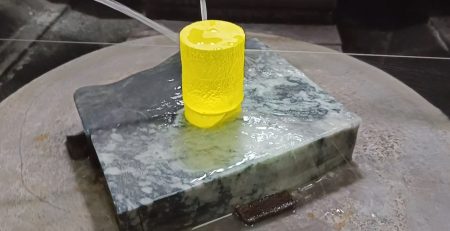
The operational success of the Loop de fio de diamante across vastly different material types lies in its fundamental physics. Rather than utilizing a sharp, wedge-like edge to shear through material (as seen in traditional metal saw blades) or relying on localized thermal energy to melt a path (as seen in laser or plasma cutting), the loop operates via a continuous micro-abrasive grinding process.
Because microscopic diamond particles are securely bonded to an endless, high-tensile steel core, the loop acts as a moving matrix of thousands of miniature grinding teeth. Driven by the motorized pulley system of a dedicated cutting machine, o laço desloca-se continuamente numa única direção a altas velocidades lineares. Quando entra em contacto com uma peça de trabalho, estes grãos de diamante executam ações de micro-fraturação e micro-aragem na superfície do material, removendo partículas minúsculas sob a forma de pó fino ou cavacos. Esta ação mecânica evita a aplicação de macro-forças ou de tensão térmica intensa na peça de trabalho, tornando-o altamente adaptável a um espectro diversificado de materiais.
—
Classe 1: Materiais Duros, Materiais Cristalinos e Semicondutores Frágeis
Cortar substratos duros e frágeis é talvez a aplicação mais crítica e economicamente vital para o laço de fio diamantado. Materiais como silício monocristalino, Carboneto de silício ($SiC$), nitreto de galio ($GaN$), e safira formam a espinha dorsal das indústrias de semicondutores, eletrónica de potência, e ótica.
Superação do Lascar e Rachaduras
O desafio inerente com estes cristais é a sua extrema dureza combinada com baixa tenacidade à fratura. Nos métodos tradicionais de serra, a vibração e a carga mecânica pesada causam lascamento severo nas bordas, danos sub-superficiais, e micro-fraturas, que podem arruinar as propriedades elétricas ou ópticas de toda a pastilha.
A Vantagem Unidirecional
O movimento contínuo, a rotação suave do laço de fio de diamante elimina os choques bruscos associados aos sistemas recíprocos. A máquina de corte guia o laço com tensão de linha estável e uma velocidade de avanço programada, permitindo que o grão de diamante desgaste suavemente a dura estrutura cristalina. Isto assegura que a rede cristalina permaneça totalmente intacta por baixo da superfície de corte, produzindo blanks perfeitos que requerem mínima retificação posterior.
—
Classe 2: Cerâmicas Técnicas Avançadas e Vidro
Engineering ceramics—including alumina, Zirconia, nitreto de silício, e o carbeto de boro — são favorecidos nas aplicações aeroespaciais e industriais pela sua excepcional resistência ao desgaste, estabilidade térmica, e dureza. Similarmente, vidros ópticos, quartzo, e a sílica fundida são fundamentais para instrumentos científicos de alta qualidade.
O Problema com a Ferramenta Convencional
Porque os cerâmicos técnicos são especificamente desenvolvidos para resistir ao desgaste mecânico, eles desgastam rapidamente as lâminas de corte convencionais. Além disso, a sua natureza frágil torna-os altamente suscetíveis a fissuras catastróficas durante a usinagem.
Atualização Abrasiva Consistente
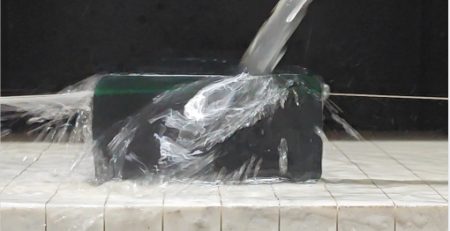
Quando um laço de fio de diamante corta cerâmicas técnicas ou vidro óptico, o sistema de refrigeração e lavagem da máquina desempenha um papel duplo. Remove o aparo cerâmico altamente abrasivo da zona de corte e controla o atrito localizado. À medida que o laço roda, as partículas de diamante degradam consistentemente a superfície cerâmica. Porque o desgaste é distribuído uniformemente ao longo de todo o comprimento do laço contínuo, a ferramenta mantém um perfil de corte afiado, e agressivo ao longo de toda a operação, impedindo o envidraçamento da ferramenta e garantindo uma separação contínua, e fluida.
—
Classe 3: Materiais Macios, Elásticos, e Compostos
Embora seja intuitivo que uma ferramenta de diamante possa cortar substâncias duras, o fio de diamante é igualmente eficaz ao processar materiais macios, pegajosos, ou heterogéneos. Esta categoria inclui borracha pesada, pneus de veículos multicamadas, ânodos de grafite, fibras de carbono reforçadas, e materiais de isolamento.
Prevenção da Deformação e Aderência do Material
Ao cortar materiais elásticos como borracha ou compósitos poliméricos com lâminas padrão, o material tende a deformar-se sob a pressão da lâmina, criando fricção massiva, calor, e eventual bloqueio (onde a lâmina fica presa). Para materiais compósitos como fibra de carbono, a serra tradicional provoca delaminação severa e desgaste das fibras estruturais.
Dissociação limpa da matriz
A velocidade ultra-alta da laçada de fio de diamante garante que as partículas de diamante interajam com o material macio ou compósito mais rapidamente do que o material consegue deformar elasticamente. Em compósitos, os diamantes cortam de forma limpa tanto as fibras de carbono duras como a matriz de resina macia simultaneamente, obtendo uma secção transversal perfeitamente limpa sem puxar as fibras ou derreter o ligante polimérico. Para borracha e pneus, a laçada passa facilmente das camadas elásticas externas de borracha diretamente através das cintas de reforço de aço embutidas sem necessidade de trocar a ferramenta ou introduzir desequilíbrio mecânico.
—
Otimização da Sinergia Consumível-Máquina para Materiais Específicos
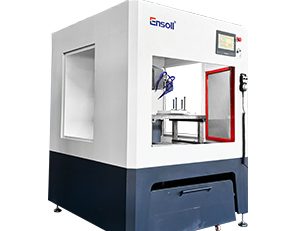
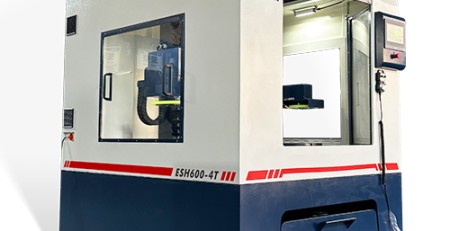
To achieve optimal results across these varied material classes, production engineers must treat the máquina de corte de serra de arame diamantado and the diamond wire loop consumable as an interconnected ecosystem, adjusting the parameters based on the specific material profile:
For Ultra-Hard Materials: The machine is programmed for a highly controlled, conservative downward feed rate combined with maximum wire linear velocity. This allows the micro-abrasive diamonds to work efficiently without overloading the core wire’s tensile strength. A continuous flow of liquid coolant is mandatory to flush away dense swarf and maintain thermal equilibrium.
For Soft or Porous Materials: Certain materials, such as graphite or specific insulation foams, can absorb liquids or become contaminated by wet cutting. For these applications, the loop is run in a completely dry environment. The cutting machine is often paired with a specialized dust extraction system to capture the fine particulates immediately as they are generated by the loop.
—
Conclusão
From the rigid, unforgiving atomic structures of semiconductor crystals to the flexible, multi-layered matrices of reinforced rubber, the diamond wire loop has proven to be an indispensable asset in modern industrial separation. By relying on a continuous, low-stress, micro-abrasive cutting mechanism rather than blunt force or heat, this advanced consumable—when paired with a precision cutting machine—allows manufacturers to conquer the challenges of material variety, ensuring clean, predictable, and structurally sound results across every application.