Резка оптического стекла: Diamond Wire Saw vs Laser
Optical glass machining requires sub-micron precision to meet the demands of industries like aerospace, photonics, и бытовая электроника. With Бесконечные алмазные канатные пилы and laser cutting emerging as dominant technologies, manufacturers face a critical choice. This guide analyzes both methods across 7 key parameters to help you make data-driven decisions.
- Diamond wire saw cutting removes material by diamond grit abrasion (проволоки 0.1-0.3 миллиметр, 5-30 М / сек) and holds +/-0.02-0.03 mm tolerance; laser cutting vaporizes material and typically holds +/-0.05 миллиметр.
- Cut quality favors the wire: under 10 micrometers edge chipping and Ra 0.2-0.5 микрометры, versus a 20-50 micrometer heat-affected zone and Ra 0.5-2 micrometers for laser.
- Efficiency favors the laser: 40-60 wafers/hour with 5-10 minute setup versus 20-30 wafers/hour and 15-30 minutes for the wire saw — but laser kerf is narrower at 0.05-0.1 mm versus 0.15-0.3 миллиметр.
- Cost profile: wire saw $50K-150K investment with $0.10/meter consumables and low maintenance; laser $100K-300K with $20/hour gas assist and higher optics maintenance.
- Правило большого пальца: wire saw for glass thicker than 3 миллиметр, optical-grade edges below Ra 0.5 micrometers and heat-sensitive coatings; laser for thin-glass prototyping and complex contours.

1. Бесконечная резка алмазной канатной пилой
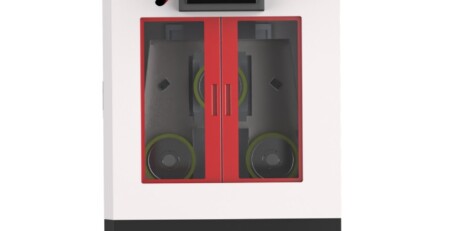
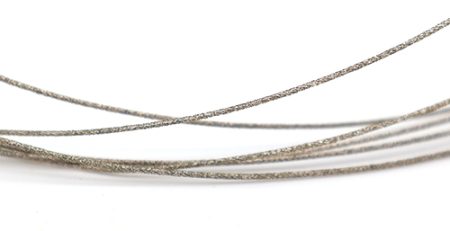
A closed-loop system using a diamond-coated wire (typically 0.1-0.3mm diameter) running at 5-30 М / сек. The abrasive action provides:
– Material Removal Mechanism: Micro-chipping through diamond grit abrasion
– Typical Tolerance: ±0.03mm for standard cuts, ±0.02mm with advanced controls
– Best Suited For: Толстые оптическое стекло (>1миллиметр), curved cuts, and brittle materials like SCHOTT B270 .
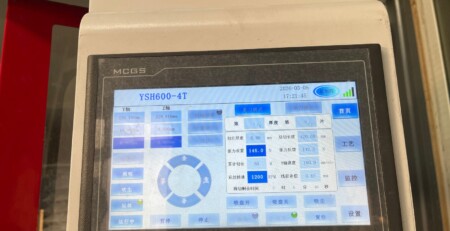
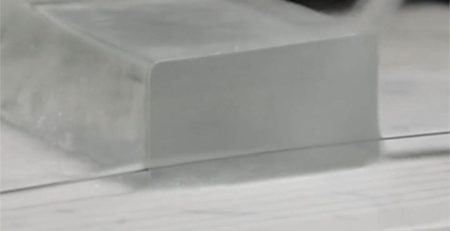
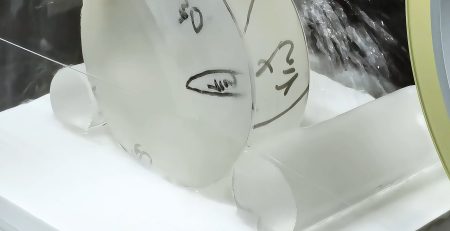
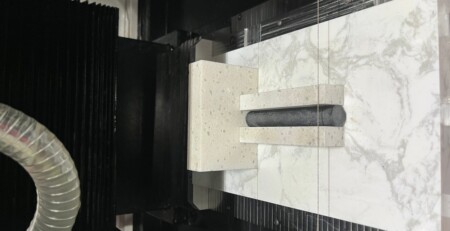
Дисплей для резки:
2. Лазерная резка
A non-contact method using focused laser beams (usually CO₂ or ultrafast lasers):
– Material Removal Mechanism: Vaporization/melting through localized heating
– Typical Tolerance: ±0.05mm for standard systems
– Best Suited For: Thin glass (<3миллиметр), complex geometries, and rapid prototyping
Сравнение лицом к лицу
1. Cutting Quality
| Параметр | Бесконечная алмазная проволочная пила | Лазерная резка |
| Откалывание кромок | <10µm with optimized feed rate | 20-50µm thermal affected zone |
| Шероховатость поверхности | Ra 0.2-0.5µm | Ra 0.5-2µm |
| Subsurface Damage | Minimal micro-cracks | Potential micro-fractures |
Key Insight: For camera lenses and prisms requiring optical-grade finishes, wire saws provide superior edge integrity.
2. Material Versatility
– Wire Saws handle:
– High-hardness glasses (например., Corning Gorilla Glass 3)
– Композитные материалы (glass-ceramics like Zerodur)
– Temperature-sensitive coatings
– Lasers struggle with:
– Thick borosilicate (>5миллиметр) due to heat accumulation
– UV-transmitting glasses prone to thermal stress
- Production Efficiency
| Metric | Wire Saw (300мм/с) | Лазер (500мм/с) |
| Пропускная способность | 20-30 wafers/hour | 40-60 wafers/hour |
| Setup Time | 15-30 протокол | 5-10 протокол |
| Ширина пропила | 0.15-0.3миллиметр | 0.05-0.1миллиметр |
Trade-off: Lasers offer faster processing but waste more material through wider kerf.
5 Decision-Making Factors
1. Part Thickness
– Choose Wire Saw If:
Режущий >3mm optical glass (например., telescope mirrors)
Keyword Tip: “thick Резка оптического стекла solution”
2. Tolerance Requirements
Wire saws maintain tighter tolerances for:
– Prism angle control (±15 arcseconds)
– Wafer-level optics uniformity
3. Cost Considerations
| Cost Factor | Wire Saw | Лазер |
| Initial Investment | $50K-$150K | $100K-$300K |
| Consumables | $0.10/meter diamond wire | $20/hour gas assist |
| Содержание | Lower (mechanical parts) | Higher (optics cleaning) |
- Thermal Sensitivity
Laser cutting risks:
– Stress birefringence in polarizing elements
– Annealing point distortion in phosphate glasses
5. Post-Processing Needs
Wire-sawn parts often require:
– 25% less polishing time vs. laser-cut surfaces
– No stress relief annealing
Заключение: When to Select Each Method
Opt for Endless Diamond Wire Saw When:
✓ Cutting thickness >3миллиметр
✓ Needing optical-grade edges (Ra<0.5мкм)
✓ Processing heat-sensitive coatings
Choose Laser Cutting When:
✓ Rapid prototyping of thin glass
✓ Complex contours with <0.1mm kerf
✓ Budget allows for higher operational costs
Pro Tip: Request sample cuts from suppliers—compare edge quality under 200x microscopy to validate claims.
Часто задаваемые вопросы
Should I choose a diamond wire saw or laser for optical glass cutting?
Choose the wire saw when cutting glass thicker than 3 миллиметр, when you need optical-grade edges (шероховатость Ra ниже 0.5 микрометры), or when processing heat-sensitive coatings and hard glasses like Corning Gorilla Glass 3. Choose laser for rapid prototyping of thin glass under 3 mm and complex contours needing a kerf below 0.1 миллиметр.
Does laser cutting damage optical glass?
It can. The localized heating creates a 20-50 micrometer thermal affected zone, risks micro-fractures below the surface, and can cause stress birefringence in polarizing elements or annealing-point distortion in phosphate glasses. Wire saw cutting is a cold abrasive process and avoids these thermal risks.
Which method costs more, wire saw or laser?
Laser costs more on both fronts: $100K-300K initial investment versus $50K-150K for a wire saw, plus about $20 per hour in gas assist versus roughly $0.10 per meter of diamond wire. Laser systems also demand more maintenance, mainly optics cleaning.
Which method is more precise?
The diamond wire saw: +/-0.03 mm standard and +/-0.02 mm with advanced controls, versus +/-0.05 mm for standard laser systems. Wire saws also hold prism angle control within +/-15 arcseconds, which is why they dominate prisms and wafer-level optics.
Проверено инженерной командой Ensoll.