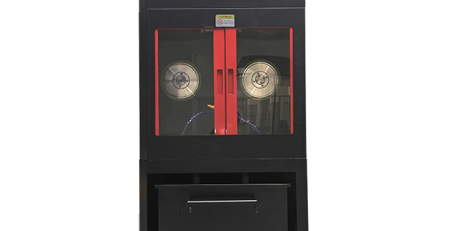
Kann CNC-Fräsen magnetische Materialien schneiden?
- CNC milling can cut softer magnetic materials — low-carbon electrical steels, nickel alloys like Permalloy and soft ferrites — but struggles with hard, spröde Magnete.
- On NdFeB, hard ferrites and high-carbon steels, milling faces rapid tool wear, heat that can demagnetize the part, and brittle fracture at edges.
- Diamond wire loop cutting is the better route for hard magnetic materials: thin kerf saves expensive material, coolant prevents demagnetization, and tolerances reach ±0.05 mm crack-free.
- Faustregel: soft magnetic steels and nickel alloys → CNC milling with carbide tools and coolant; neodymium magnets and ferrite cores → diamond wire loop.
CNC milling machines are highly versatile tools capable of cutting a wide range of materials, einschließlich Metalle, Kunststoff, und Verbundwerkstoffe. But when it comes to magnetic materials, particularly hard and brittle ones like neodymium magnets, Ferriten, and certain steel alloys, the question arises: Can a CNC mill effectively cut them?
The short answer is yes, but with limitations. While CNC milling can handle some magnetic materials, hard and brittle magnetic substances often require alternative methods like Diamantdraht-Schlaufe cutting for precision and efficiency.
In diesem Artikel, we’ll explore:
– The challenges of cutting magnetic materials with CNC milling
– When CNC milling is suitable vs. when diamond wire cutting is better
– Best practices for machining magnetic materials
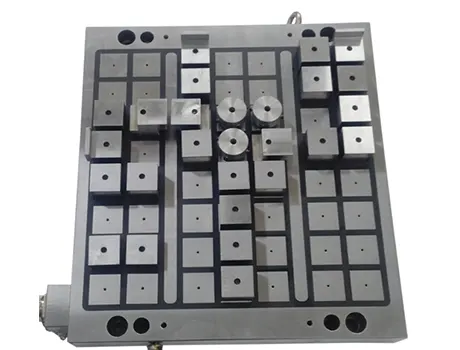
Wire cutting is usually the better answer here, for the reasons set out in wie man Neodym-Magnete schneidet.
1. Can a CNC Milling Machine Cut Magnetic Materials?
Ja, but with Challenges
CNC milling machines can cut softer magnetic materials such as:
– Low-carbon steels (zum Beispiel., electrical steel laminations)
– Einige Nickellegierungen (zum Beispiel., Permalloy)
– Weiche Ferrite (für Elektronik)
Aber, harte und spröde magnetische Materialien wie:
– Neodym (NdFeB) Magnete
– Harte Ferrite (Keramikmagnete)
– Bestimmte hochkohlenstoffhaltige Stähle
…stellen erhebliche Herausforderungen dar aufgrund von:
✔ Werkzeugverschleiß – Harte magnetische Materialien verschleißen Schneidwerkzeuge schnell.
✔ Wärmeentwicklung – Übermäßige Hitze kann das Material entmagnetisieren.
✔ Sprödbruchrisiko – Absplittern und Risse sind häufig.
Wann CNC-Fräsen am besten funktioniert
– Für weichere magnetische Metalle, bei denen präzises Bearbeiten erforderlich ist.
– Beim Schneiden von Schlitzen, Löchern, oder komplexen Formen in magnetischen Bauteilen.
– Für Prototypen oder Kleinserienproduktion, bei der Diamantdrahtschneiden nicht kosteneffektiv ist.
- Warum Diamant-Drahtschlaufe Schneiden ist besser für harte magnetische Materialien
Für ultraharte oder spröde magnetische Materialien, Diamantdraht-Loop-Schneiden ist oft die überlegene Wahl.
Advantages of Diamond Wire Cutting:
✅ Minimal Material Loss – Thin kerf (cut width) preserves expensive materials.
✅ No Heat Damage – Coolant prevents demagnetization.
✅ Smooth, Crack-Free Cuts – Ideal for brittle magnets.
✅ High Precision – Can achieve tight tolerances (±0,05 Millimeter).
Common Applications:
– Slicing neodymium magnets for motors and sensors.
– Cutting ferrite cores for transformers and inductors.
– Processing rare-earth magnetic alloys with minimal waste.
3. Best Practices for Cutting Magnetic Materials
Option 1: CNC Milling (For Softer Magnets)
– Use carbide or diamond-coated end mills to reduce wear.
– Apply coolant to prevent overheating and demagnetization.
– Optimize feed rates to avoid chipping.
Option 2: Diamantdraht-Schneiden (For Hard/Brittle Magnets)
– Use a fine-grit diamond wire for smoother cuts.
– Halten Sie die richtige Spannung, um Drahtbruch zu verhindern.
– Verwenden Sie wasserbasierte Kühlmittel, um die Schneideffizienz zu verbessern.
Schlussfolgerung: Welche Methode sollten Sie wählen?
| Materialtyp | Beste Schneidemethode |
| Weiche magnetische Stähle | CNC Milling |
| Neodym-Magnete | Diamant-Drahtschlaufe |
| Ferritkerne | Diamant-Drahtschlaufe |
| Nickellegierungen | CNC Milling (mit Kühlmittel) |
Während die CNC-Fräse einige magnetische Materialien schneiden kann, harte und spröde Magnete erfordern oft Diamantdrahtschneiden für optimale Ergebnisse.
Endempfehlungen:
✔ Für präzises Formen von weichen Magneten → CNC-Fräsen mit Hartmetallwerkzeugen verwenden.
✔ Zum Schneiden harter/spröder Magnete → Diamantdrahtschleife ist die beste Lösung.
✔ Für die industrielle Produktion → Automatisierte Diamantdrahtschneidesysteme in Betracht ziehen.
Durch die Wahl der richtigen Methode, können Sie die Effizienz maximieren, Abfall reduzieren, und die Materialintegrität bewahren.
Häufig gestellte Fragen
Kann eine CNC-Fräsmaschine Neodym-Magnete schneiden?
Technisch ja, aber es wird nicht empfohlen: NdFeB is hard and brittle, so milling causes rapid tool wear, edge chipping and heat that can locally demagnetize the magnet. Diamond wire loop cutting delivers clean ±0.05 mm cuts without those risks.
Which magnetic materials can be CNC milled safely?
Softer magnetic metals: low-carbon electrical steels, nickel alloys such as Permalloy, and soft ferrites. Use carbide or diamond-coated end mills, flood coolant and conservative feed rates to limit wear and heat.
Why does heat matter when machining magnets?
Every magnet grade has a temperature limit; exceeding it, even locally, permanently reduces magnetic output. Milling generates concentrated heat at the tool tip, while diamond wire cutting flushes the zone with coolant and keeps the magnet safely below its threshold.
When is diamond wire cutting more cost-effective than milling?
Whenever the material is hard, brittle or expensive: the wire’s thin kerf wastes far less rare-earth stock, edges come off crack-free without secondary finishing, and tolerances of ±0.05 mm are routine. For soft steels and quick prototypes, milling remains cheaper and faster to set up.
Überprüft vom Ensoll-Ingenieurteam.