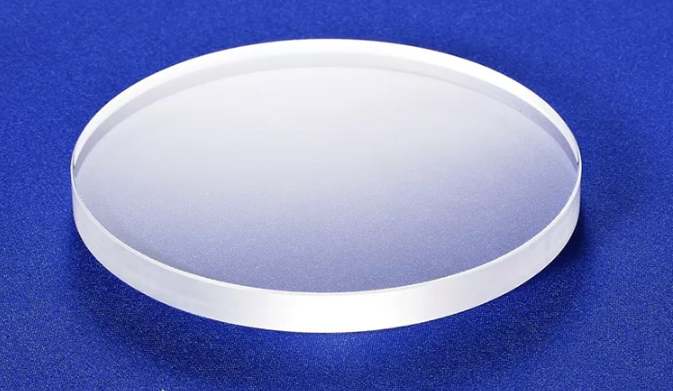
In the precision-driven world of optical manufacturing, the quality of crystal cutting directly impacts the performance of end products. From laser systems to advanced imaging devices, optical crystals like sapphire, lithium niobate, and calcium fluoride form the foundation of modern photonic technologies. Traditional cutting methods often compromise material integrity, leading to reduced optical performance and increased production costs.
Diamant-Drahtschlaufecutting has emerged as the gold standard for optical crystal processing, offering manufacturers unprecedented control over the cutting process. This advanced technology combines the precision of diamond abrasives with the flexibility of wire-based cutting to deliver exceptional results. Unlike conventional sawing methods, diamond wire loops produce cleaner edges, Materialverschwendung minimieren, und die intrinsischen Eigenschaften von optischen Kristallen bewahren.
Der Umstieg auf Diamantdrahttechnologie bedeutet mehr als nur ein Upgrade der Ausrüstung – es ist ein grundlegender Wandel in der Herstellung von optischen Bauteilen. Durch das Verständnis und die Umsetzung bewährter Praktiken beim Diamantdrahtschneiden, können Hersteller eine überlegene Produktqualität erzielen und gleichzeitig die Produktionseffizienz optimieren.
Kristalle verhalten sich unter dem Draht ähnlich wie ihr Gegenstück aus Glas, daher gelten die Hinweise zu optischer Glasschnitt gelten auch hier.
Abschnitt 1: Grundlegende Vorteile des Diamantdrahtschneidens
1.1 Unvergleichliche Materialeinsparung
Das schlanke Profil von Diamantdrahtschleifen erzeugt erheblich schmalere Schnittfugen im Vergleich zu herkömmlichen Klingen. Diese Eigenschaft erweist sich besonders beim Arbeiten mit teuren optischen Kristallen als wertvoll, wo jeder Mikrometer an eingespartem Material zu Kosteneinsparungen führt. Ein typischer Diamantdraht erzeugt Schnitte, die nur wenige Mikrometer breit sind 100-200 Mikrometer, was eine effizientere Materialnutzung und eine höhere Ausbeute aus jedem Kristallboulé ermöglicht.
1.2 Überlegene Oberflächenintegrität
Optische Anwendungen erfordern makellose Oberflächen, frei von Mikrorissen und Subschadens. Diamantdrahtschneiden ist diesbezüglich hervorragend, indem es:
– Schneidkräfte gleichmäßig über die Drahtlänge verteilt
– lokale Spannungskonzentrationen minimiert
– Oberflächenrauheitswerte oft unter 1 μm Ra erzeugt
– die Notwendigkeit aggressiver Nachbearbeitung eliminiert
1.3 Vorteile des Wärmemanagements
Die kontinuierliche Bewegung von Diamantdrahtschlaufen verhindert die Wärmeansammlung an einer einzelnen Stelle des Werkstücks. Diese thermische Stabilität ist entscheidend für die Erhaltung der optischen Eigenschaften temperaturanfälliger Kristalle. Im Gegensatz zu gepulsten Schneidmethoden, die thermische Zyklen erzeugen, hält Diamantdraht während des gesamten Prozesses ein konstantes Temperaturprofil, Verhinderung von Veränderungen an Kristallstruktur und brechungsfähigen Eigenschaften.
Abschnitt 2: Technologie und Methodik
2.1 Diamantdrahtzusammensetzung
Moderne Diamantdrähte für das optische Kristallschneiden verfügen über ausgefeilte Designs, die für bestimmte Materialien optimiert sind:
– Kerndraht: Hochspannungsstahl oder Wolfram für Haltbarkeit
Schlussfolgerung: Die Zukunft der Verarbeitung von optischen Kristallen
Diamant-Drahtschlaufe Schneidetechnologie stellt einen transformativen Fortschritt für die Herstellung von optischen Kristallen dar. Da die Nachfrage nach Hochleistungs-Optikkomponenten in verschiedenen Branchen wächst, positionieren sich Hersteller, die diese Technologie übernehmen, an der Spitze der Präzisionsfertigung.
Die Vorteile gehen über unmittelbare Qualitätsverbesserungen hinaus – Diamantdrahtschneiden ermöglicht neue Möglichkeiten im optischen Design, indem komplexere Geometrien und dünnere Komponenten als bisher möglich hergestellt werden können. Da sich die Technologie mit intelligenteren Steuerungen und fortschrittlichen Drahtformulierungen weiterentwickelt, wird ihre Rolle in der optischen Fertigung nur noch zunehmen.
Für Unternehmen, die ihre Fähigkeiten in der Verarbeitung von optischen Kristallen verbessern möchten, ist die Investition in hochwertige Diamantdraht-Schlaufe Schneidsysteme bieten einen klaren Weg zu verbesserter Produktqualität, reduzierten Herstellungskosten, und größerer Produktionsflexibilität. Der Übergang erfordert sorgfältige Planung und Prozessoptimierung, aber die langfristigen Vorteile machen ihn zu einem wesentlichen strategischen Schritt für zukunftsorientierte Hersteller.
Seit Jahrhunderten, Jade wurde wegen ihrer Schönheit geschätzt, Haltbarkeit, und kulturellen Bedeutung, insbesondere in der asiatischen Kunst und im Schmuck. Aber,... mehr lesen
In der Welt der Präzisionsfertigung, sind nur wenige Prozesse so kritisch wie das Schneiden harter Materialien in dünne, einheitliche Wafer. Ob... mehr lesen
Key Takeaways
Magnetic materials fall into three families: Dauermagnete (NdFeB, SmCo, AlNiCo, Ferrit), Weiche Magnetmaterialien (Siliziumstahl, Weicher Ferrit, Amorph.... mehr lesen
Saphire bestehen aus Aluminiumoxid (Al2O3) mit Spurenelementen, die ihre Farben erzeugen. Erfahren Sie, wie Diamantdraht-Schleife Präzision ermöglicht,... mehr lesen
Introduction
Hard and brittle materials are essential in industries like electronics, Optik, Luft- und Raumfahrt, und Medizinprodukte. Aber, Schneiden Sie sie oft... mehr lesen
Metallkabelsägen sind vielseitige Werkzeuge, die häufig zum Schneiden verschiedener Arten von Metallen verwendet werden. Sie werden häufig in der Industrie eingesetzt.. mehr lesen
Wichtige Erkenntnisse
Keramiken sind hart und spröde, damit haben herkömmliche Schneidwerkzeuge Schwierigkeiten, präzise, komplexe Bearbeitungen zu erzielen; Diamantgeschliffener Drahtschneiden... mehr lesen