Mecanizado de vidrio sin grietas: Sierra de hilo de diamante
- El vidrio óptico es frágil y sensible al choque térmico; las grietas suelen empezar en el borde de salida del corte.
- El mecanizado con hilo de diamante mantiene la fuerza de corte baja y constante, produciendo bordes sin grietas.
- El control del refrigerante y la alimentación importa mucho más que la velocidad de corte.
Por qué es importante el corte sin grietas en el mecanizado de vidrio óptico
Vidrio óptico, como SCHOTT B270, N-BK7, y sílice fundida, se utiliza ampliamente en aplicaciones de alta precisión como lentes de cámara, óptica láser, imágenes médicas, y componentes aeroespaciales. Sin embargo, los métodos de corte tradicionales, como el aserrado con hoja de diamante, corte por láser, o el mecanizado ultrasónico, a menudo introducen microgrietas, daño subsuperficial, o estrés térmico. Estos defectos degradan el rendimiento óptico, aumentan los costos de pulido, y conducen a mayores tasas de rechazo.
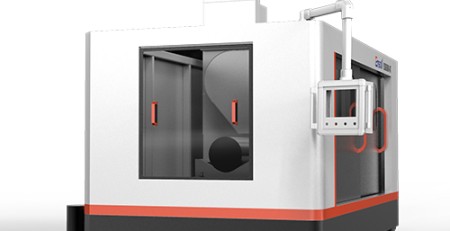
Para lograr un verdadero mecanizado de vidrio óptico sin grietas, los fabricantes deben adoptar tecnologías de corte avanzadas que minimicen el daño mecánico y térmico. Aquí es donde destacan las máquinas de corte con sierra de hilo de diamante, ofreciendo una precisión y calidad de borde inigualables.
Cómo las Máquinas de Corte con Sierra de Alambre de Diamante Aseguran Resultados Sin Grietas
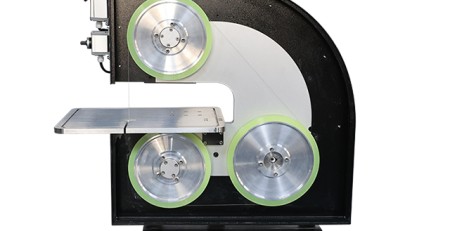
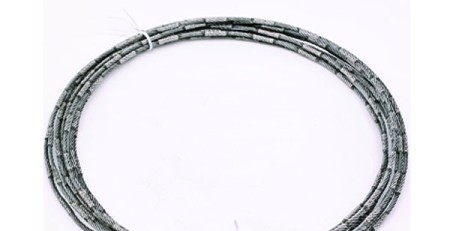
A diferencia de los métodos convencionales, las máquinas de corte con sierra de alambre de diamante usan un alambre delgado, recubierto de diamante (típicamente de 0.1–0.3 mm de diámetro) funcionando a alta velocidad bajo tensión controlada. Este mecanismo de corte único ofrece varias ventajas clave para el vidrio óptico:
1. Daño subsuperficial ultra-bajo
– Las hojas de diamante tradicionales crean microfracturas debido al corte de alto impacto.
– El corte con láser genera zonas afectadas por el calor (ZAT), lo que conduce a grietas inducidas por estrés.
– Las sierras de alambre de diamante utilizan una acción abrasiva suave, produciendo casi cero grietas subsuperficiales, lo cual es crítico para ópticas de alto rendimiento.
2. Acabado superficial superior (Ra < 0.2µm)
– El alambre de diamante de grano fino asegura un borde similar a un espejo, reduciendo la necesidad de un pulido extensivo.
– Ideal para lentes, Prismas, y ópticas de precisión donde se debe minimizar la rugosidad de la superficie.
3. Sin distorsión térmica (Proceso de corte en frío)
– El corte con láser y chorro de agua genera calor, corriendo el riesgo de birefringencia por estrés y deformación del material.
– Las sierras de alambre de diamante operan a temperatura ambiente, preservando la integridad estructural del vidrio.
4. Pérdida mínima de corte (Tan bajo como 0.15 mm)
– Ahorra costos caros vidrio óptico material, improving yield and reducing costs.
– Perfect for wafer-level optics and micro-optics arrays where material conservation is crucial.
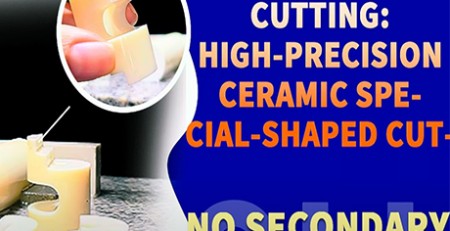
Cutting video display:
Applications of Diamond Wire Saws in Optical Glass Machining
- Camera Lenses & Prisms
– Requires chip-free edges to prevent light scattering.
– Reduces post-polishing time by 30–50%, lowering production costs.
- Telescope Mirrors & High-Precision Optics
– Maintains tight tolerances (±0,02 milímetros ) for SCHOTT Zerodur and other low-expansion glass.
– Ensures long-term durability with no hidden cracks.
- Semiconductores & Medical Optics
– Kerf widths as narrow as 0.15mm maximize material utilization.
– No thermal damage means higher reliability for critical components
Why Choose Our Diamond Wire Saw Cutting Machine?
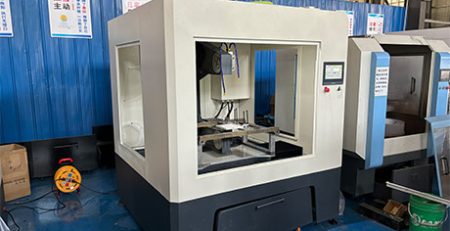
When investing in crack-free optical glass machining, our diamond wire saw cutting machine stands out with:
✔ CNC Precision Control – Ensures repeatable, high-accuracy cuts.
✔ Advanced Coolant System – Prevents glass chipping and extends wire life.
✔ Automation Compatibility – Ideal for high-volume production.
✔ Customizable Wire Speeds – Optimized for different glass types (B270, N-BK7, sílice fundida).
Conclusión: Upgrade to Crack-Free Optical Glass Cutting
For manufacturers of precision optics, las máquinas de corte con sierra de hilo de diamante ofrecen:
✅ No subsurface cracks – Stronger, more reliable components.
✅ Superior surface finish – Less polishing, faster production.
✅ Material savings – Narrow kerf reduces waste.
✅ No thermal damage – Preserves optical clarity.
Interested in achieving flawless optical glass cuts? [Contact us today for a free cutting test] and experience the difference of true crack-free machining!
Preguntas Frecuentes
¿Cómo cortar vidrio óptico sin que se agriete??
Bajo, steady cutting force with continuous coolant. Diamond wire machining avoids the point loading that starts cracks.
¿Por qué se agrieta el vidrio óptico al mecanizarlo??
Concentrated stress and local heating. Brittle materials fail at the point of highest tension — usually the exit edge.
¿Es mejor una sierra de hilo de diamante que una hoja para vidrio óptico??
Para trabajos de precisión, sí: Sin astillado, no thermal shock, and a much narrower kerf.
¿El corte de vidrio óptico necesita refrigerante??
Sí. Water-based coolant removes heat and swarf; dry cutting risks micro-cracks that only appear later.
Contenido técnico revisado por el equipo de ingeniería de Ensoll — un fabricante de bucles de hilo de diamante con 10+ años de experiencia en producción.