Corte con bucle de hilo de diamante para lentes de vidrio
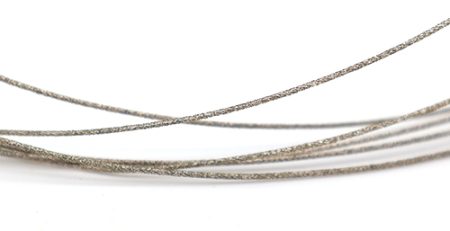
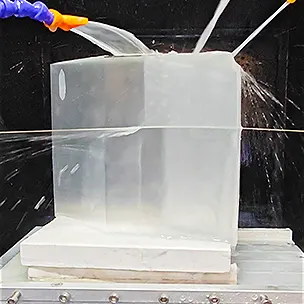
- Diamond wire loop cutting guides a diamond-coated wire wound into an unbroken loop over the lens surface, esculpir geometrías intrincadas con precisión submicrónica y un acabado superficial que desafía la imperfección.
- El proceso se basa en la tensión calibrada, la velocidad del alambre y el flujo de refrigerante trabajando juntos, para que el material se elimine de manera controlada, y con bajo daño.
- El corte tradicional de línea larga tiene cuatro desventajas documentadas: mayores anchos de ranura y desperdicio de material, menor precisión en diseños intrincados, tiempos de procesamiento secuenciales más largos, and a higher risk of chipping or catastrophic breakage.
- The single linear cutting path of long-line cutting restricts maneuverability and the range of geometries that can be produced on optical substrates.
- When choosing a supplier, look for manufacturers with independent R&D teams and one-stop cutting solution capability.
Cuando se trata del intrincado proceso de corte de lentes ópticas, La precisión y la eficiencia son primordiales. En esta entrada del blog, we delve into the realm of cutting optical lenses, comparing the traditional long-line cutting method with the innovative bucle de alambre de diamante cutting technique. Adicionalmente, we highlight the advantages of diamond wire loop cutting and showcase the characteristics of top-notch manufacturers in this field.
The dedicated lens process — including edge chipping control on curved surfaces — is documented in diamond wire cutting for lenses.
1. Delving into Optical Lens Cutting Methods
1.1 Corte con bucle de hilo de diamante

En su núcleo, bucle de alambre de diamante cutting harnesses the exceptional hardness and abrasion resistance of diamond-coated wire, meticulously wound into an unbroken loop. This loop, akin to a delicate yet robust thread of innovation, is guided with unparalleled precision over the surface of optical lenses, imparting a surgical precision that transcends traditional cutting methodologies.
En su núcleo, diamond wire loop cutting harnesses the exceptional hardness and abrasion resistance of diamond-coated wire, meticulously wound into an unbroken loop. This loop, akin to a delicate yet robust thread of innovation, is guided with unparalleled precision over the surface of optical lenses, imparting a surgical precision that transcends traditional cutting methodologies.
The process unfolds with a choreographed interplay of forces and parameters—tension, velocidad, and coolant flow—all meticulously calibrated to orchestrate a harmonious ballet of material removal. As el lazo de alambre de diamante traverses the optical lens surface with a finesse akin to a maestro’s baton, it sculpts intricate geometries and profiles with sub-micron precision, leaving behind a surface finish that defies imperfection.
1.2 Long-line cutting
Long-line cutting, a traditional method deeply rooted in the annals of optical lens manufacturing, serves as a cornerstone technique for shaping optical lenses with a legacy that spans generations. From an engineering perspective, long-line cutting represents a testament to the ingenuity of the past, offering a glimpse into the evolution of precision shaping methodologies within the realm of optical components.
In the realm of optical lens fabrication, long-line cutting entails the utilization of an elongated cutting tool, typically a diamond-coated wire or a cutting blade, to sculpt and define the contours of optical elements with meticulous detail. This method relies on a linear motion along predefined paths, guided by skilled artisans or precision machinery, to carve out intricate shapes and profiles from optical substrates.
The essence of long-line cutting lies in its versatility and time-tested reliability. By leveraging a continuous linear cutting motion, manufacturers can achieve a high degree of control over the shaping process, allowing for the creation of custom designs and complex geometries with precision and repeatability. Este método, honed over years of practice and refinement, offers a level of craftsmanship that embodies the artistry of traditional optical fabrication.
2. Drawbacks of Long-Line Cutting Compared to Diamond Wire Loop Cutting
While long-line cutting has been a staple in lens fabrication, it comes with inherent limitations. Entre ellas se encuentran:
2.1Increased material wastage
One notable drawback of long-line cutting is its propensity for material wastage, as the linear cutting tool may result in higher kerf widths and increased material removal, leading to inefficiencies in the utilization of raw optical substrates.
2.2Lower precision in intricate designs
Además, the reliance on a single cutting path in long-line cutting can pose challenges in achieving the intricate levels of precision and surface finish that are attainable with diamond wire loop cutting. The linear nature of the cutting motion may introduce limitations in maneuverability and flexibility, potentially restricting the range of geometries that can be effectively produced.
2.3Longer Processing Times
The sequential nature of long-line cutting leads to extended processing durations. The meticulous path-following required for each cut prolongs production cycles, impacting overall efficiency and responsiveness to market demands.
2.4Higher Risk of Chipping or Breakage
Long-line cutting poses a heightened risk of material damage. The continuous contact of the cutting tool along a single path increases the likelihood of chipping, micro-fractures, or even catastrophic breakage, compromising the integrity of the optical components.
3. Identifying Premium Diamond Wire Loop Manufacturers
In the field of optical lens manufacturing, here are some well-known diamond wire saw cutting manufacturers:
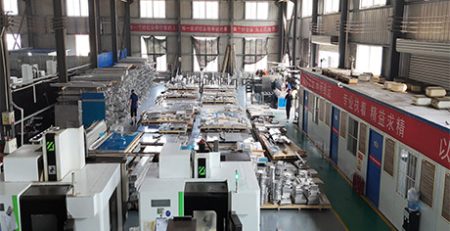
Ensolltools: Ensolltools is a large cutting manufacturer with an independent research and development team, focusing on solving various challenges in the cutting industry. They excel in technology and provide one-stop cutting solutions.
Diamond WireTec: Diamond WireTec is dedicated to providing high-quality diamond wire saw cutting solutions. Their innovative technology and professional team have earned customers’ trust.
SCHOTT: SCHOTT, a longstanding optical technology company, has an excellent reputation in the diamond wire saw cutting field, offering high-level cutting services to customers.
Mitsui High-tec: Mitsui High-tec is a professional manufacturer of optical components. Their diamond wire saw cutting technology is at the forefront of the industry, delivering custom high-quality optical products to customers.
Preguntas Frecuentes
What is diamond wire loop cutting for optical lenses?
It is a cutting technique that uses a diamond-coated wire wound into a continuous loop, guided with high precision over the lens surface. By carefully calibrating tension, speed and coolant flow, it sculpts intricate geometries with sub-micron precision and leaves an exceptionally fine surface finish.
What are the drawbacks of long-line cutting for optical lenses?
Cuatro principales: it wastes more raw material through wider kerfs, it struggles to hold precision on intricate designs because of its single linear cutting path, its sequential path-following prolongs production cycles, and the continuous tool contact raises the risk of chipping, micro-fractures or breakage.
Why is diamond wire loop cutting more precise than long-line cutting?
The loop is guided with greater maneuverability than a single linear path, so it can follow complex profiles with repeatability. Combined with the fine diamond-coated wire, it achieves intricate geometries and surface finishes that long-line cutting cannot reliably reach.
How do I choose a diamond wire loop cutting manufacturer?
Look for companies with an independent R&D team that can solve specific cutting challenges, a proven record in optical lens work, and the ability to provide one-stop cutting solutions rather than just equipment. Established names in the field include Ensolltools, Diamond WireTec and Mitsui High-tec.
Revisado por el equipo de ingeniería de Ensoll.