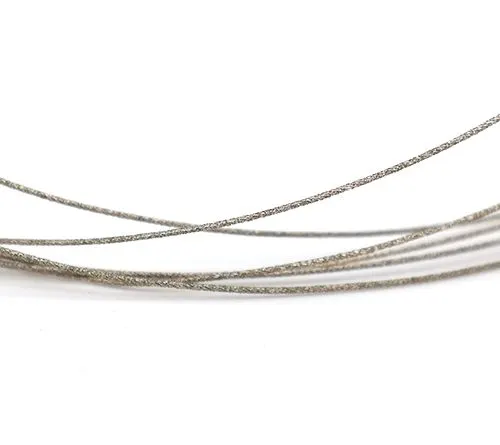
Bucle de alambre de diamante en manufactura avanzada
En el panorama de la manufactura industrial moderna, la capacidad de separar los materiales de manera limpia es un requisito fundamental para las etapas de procesamiento posteriores. A medida que las aplicaciones de ingeniería evolucionan, los materiales que se utilizan son cada vez más complejos, desde estructuras cristalinas ultra duras hasta compuestos altamente abrasivos y sustratos laminados frágiles. Las sierras abrasivas tradicionales y los métodos de corte térmico frecuentemente fallan cuando se enfrentan a estas composiciones avanzadas, a menudo introduciendo defectos estructurales o desperdicio de material inaceptable.
Para superar estos cuellos de botella de fabricación, industries worldwide have turned to the combination of high-performance diamond wire saw cutting machines and their essential, high-speed consumable: el lazo de alambre de diamante. By understanding the specific interaction between this endless abrasive loop and various material classes, production facilities can optimize their separation processes for maximum structural integrity.
—
The Universal Cutting Mechanism: Micro-Abrasive Friction
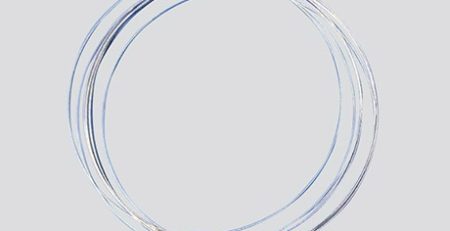
The operational success of the bucle de alambre de diamante across vastly different material types lies in its fundamental physics. Rather than utilizing a sharp, wedge-like edge to shear through material (as seen in traditional metal saw blades) or relying on localized thermal energy to melt a path (as seen in laser or plasma cutting), the loop operates via a continuous micro-abrasive grinding process.
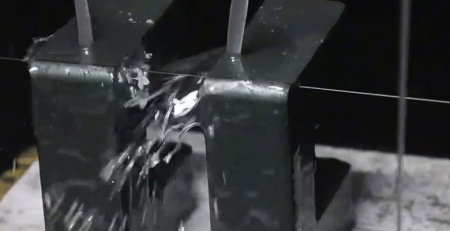
Because microscopic diamond particles are securely bonded to an endless, high-tensile steel core, the loop acts as a moving matrix of thousands of miniature grinding teeth. Driven by the motorized pulley system of a dedicated cutting machine, the loop travels continuously in a single direction at high linear velocities. When brought into contact with a workpiece, these diamond grains execute micro-fracturing and micro-plowing actions on the material’s surface, removing minuscule particles in the form of fine powder or chips. This mechanical action avoids imparting macro-forces or intense thermal stress to the workpiece, making it highly adaptable to a diverse spectrum of materials.
—
Class 1: Hard, Brittle Crystalline and Semiconductor Materials
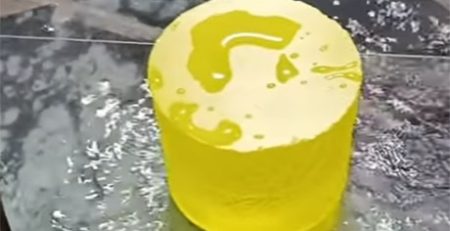
Cortar sustratos duros y frágiles es quizás la aplicación más crítica y económicamente vital para el lazo de alambre de diamante. Materiales como Silicio monocristalino, Carburo de silicio ($SiC$), nitruro de galio ($GaN$), y el zafiro forman la columna vertebral de la industria de semiconductores, electrónica de potencia, y óptica.
Superando el astillado y la fractura
El desafío inherente con estos cristales es su extrema dureza combinada con baja tenacidad a la fractura. Bajo métodos de corte tradicionales, la vibración y la carga mecánica pesada causan un astillado severo de bordes, daño sub-superficial, y microgrietas, que pueden arruinar las propiedades eléctricas u ópticas de toda la oblea.
La ventaja unidireccional
The continuous, La rotación suave del lazo de alambre de diamante elimina los choques bruscos asociados con los sistemas recíprocos. La máquina de corte guía el lazo con tensión de línea constante y una velocidad de alimentación programada, allowing the diamond grit to gently wear away the hard crystal structure. This ensures that the crystalline lattice remains entirely undisturbed beneath the cut surface, yielding flawless blanks that require minimal downstream rectification.
—
Class 2: Advanced Technical Ceramics and Glass
Engineering ceramics—including alumina, Zirconia, nitruro de silicio, and boron carbide—are favored in aerospace and industrial applications for their exceptional wear resistance, Estabilidad térmica, and hardness. Semejantemente, vidrios ópticos, cuarzo, and fused silica are foundational to high-end scientific instruments.
The Problem with Conventional Tooling
Because technical ceramics are engineered specifically to resist mechanical wear, they rapidly dull conventional cutting blades. Además, their brittle nature makes them highly susceptible to catastrophic cracking during machining.
Consistent Abrasive Refreshing
When a diamond wire loop cuts through technical ceramics or vidrio óptico, the machine’s cooling and flushing system plays a dual role. It removes the highly abrasive ceramic swarf from the cutting zone and controls the localized friction. As the loop rotates, the diamond particles consistently degrade the ceramic surface. Because the wear is distributed evenly across the entire length of the endless loop, the tool maintains a sharp, aggressive cutting profile throughout the operation, preventing tool glazing and ensuring a continuous, fluid separation.
—
Class 3: Blanda, Elastic, and Composite Materials
While it is intuitive that a diamond tool can cut hard substances, the diamond wire loop is equally effective when processing soft, gummy, or heterogeneous materials. This category includes heavy rubber, multi-layered vehicle tires, ánodos de grafito, reinforced carbon fibers, y materiales de aislamiento.
Prevención de la deformación y el atascamiento del material
Al cortar materiales elásticos como caucho o compuestos de polímero con hojas estándar, el material tiende a deformarse bajo la presión de la hoja, creando una fricción enorme, calor, y eventual atascamiento (donde la hoja queda atrapada). Para materiales compuestos como la fibra de carbono, el aserrado tradicional causa una delaminación severa y deshilachado de las fibras estructurales.
Disociación limpia de la matriz
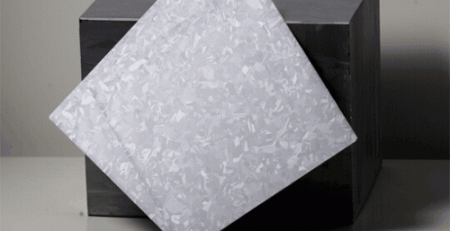
La velocidad ultraalta del lazo de alambre de diamante asegura que las partículas de diamante interactúen con el material blando o compuesto más rápido de lo que el material puede deformarse elásticamente. En los compuestos, los diamantes cortan limpiamente tanto las fibras de carbono duras como la matriz de resina blanda simultáneamente, lograr una sección transversal perfectamente limpia sin separar las fibras ni fundir el aglutinante de polímero. Para caucho y neumáticos, el lazo pasa fácilmente de las capas exteriores elásticas de caucho directamente a través de los cinturones de refuerzo de acero integrados sin necesidad de cambiar la herramienta o introducir un desequilibrio mecánico.
—
Optimizando la Sinergia Consumible-Máquina para Materiales Específicos
Para lograr resultados óptimos en estas diversas clases de materiales, los ingenieros de producción deben tratar el Máquina cortadora de sierra de hilo de diamante y el lazo de alambre de diamante como un ecosistema interconectado, ajustando los parámetros según el perfil específico del material:
Para Materiales Ultra-Duros: La máquina está programada para una, velocidad de alimentación descendente conservadora altamente controlada combinada con la máxima velocidad lineal del alambre. This allows the micro-abrasive diamonds to work efficiently without overloading the core wire’s tensile strength. A continuous flow of liquid coolant is mandatory to flush away dense swarf and maintain thermal equilibrium.
For Soft or Porous Materials: Certain materials, such as graphite or specific insulation foams, can absorb liquids or become contaminated by wet cutting. For these applications, the loop is run in a completely dry environment. The cutting machine is often paired with a specialized dust extraction system to capture the fine particulates immediately as they are generated by the loop.
—
Conclusión
From the rigid, unforgiving atomic structures of semiconductor crystals to the flexible, multi-layered matrices of reinforced rubber, the diamond wire loop has proven to be an indispensable asset in modern industrial separation. By relying on a continuous, low-stress, micro-abrasive cutting mechanism rather than blunt force or heat, this advanced consumable—when paired with a precision cutting machine—allows manufacturers to conquer the challenges of material variety, ensuring clean, predecible, and structurally sound results across every application.