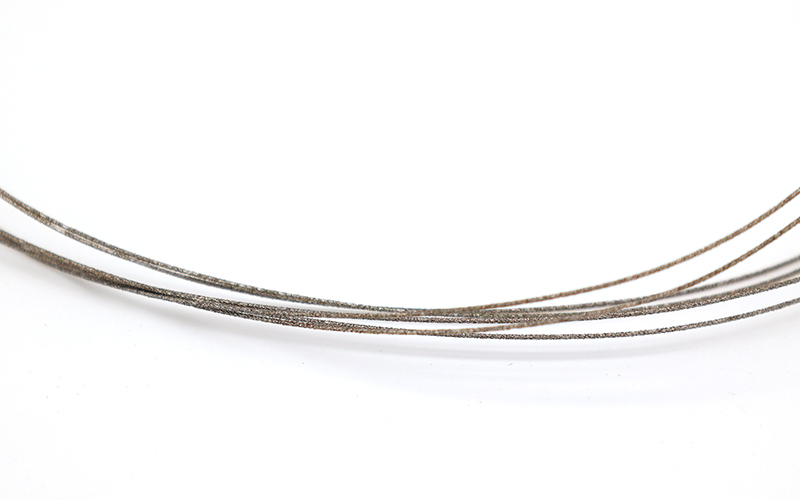
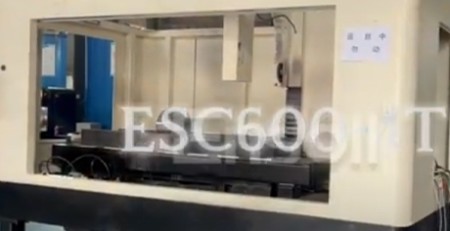
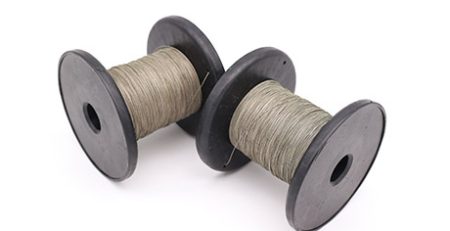
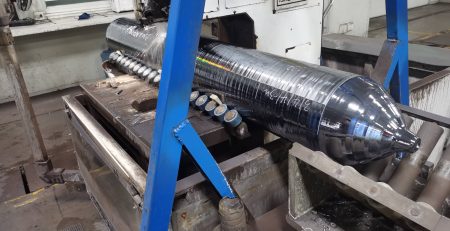
One diamond wire saw system can process semiconductor wafers, materiali solari, vetri ottici, ceramiche avanzate e compositi, reducing equipment costs across the shop.
Kerf widths as narrow as 0.2 mm cut material loss dramatically – operations report up to 30% risparmio di materiale, a primary driver of ROI.
Continuous-loop diamond wire cuts fragile materials without micro-cracks or edge chipping, raising yield rates and product quality.
Transitioning is low-disruption: comprehensive operator training, gradual process optimization and manufacturer technical support keep existing workflows intact.
Key selection criteria: del volume di produzione, material types and thickness variations, accuracy and surface finish needs, floor space, and technical support requirements.
Understanding Your Cutting Challenges
As manufacturing professionals, you face increasing demands for precision, efficienza, and cost-effectiveness in material processing. Whether you’re working with semiconductor wafers, materiali solari, or advanced ceramics, achieving perfect cuts while minimizing waste remains a constant challenge. Sega a filo diamantatotechnology offers solutions to these pain points, but understanding how to leverage this technology effectively is crucial.
What This Technology Means for Your Business
Diamond wire saw cutting machines use a continuous loop of diamond-impregnated wire to slice through even the hardest materials. But beyond the technical definition, what does this mean for your operation?
Key Benefits You Can Expect:
– Process multiple materials with one system, reducing equipment costs
– Cut fragile materials without micro-cracks or edge chipping
– Reduce material loss with kerf widths as narrow as 0.2mm
– Lower operational costs through reduced consumable expenses
Answering Your Common Questions
“Is this suitable for my specific materials?”
Diamond wire saws handle diverse materials including:
– I wafer semiconduttori (silicio, arseniuro di gallio)
– Solar materials and photovoltaic components
– Optical glasses and crystals
– Advanced ceramics and composites
– Research samples and prototypes
“What about operational costs and ROI?”
While initial investment varies, most operations see ROI through:
– Riduzione dello spreco di materiale (fino a 30% savings)
– Lower consumable costs compared to blade systems
– Decreased labor costs through automation
– Higher yield rates and better product quality
“How difficult is the transition?”
Implementation typically involves:
– Comprehensive operator training
– Gradual process optimization
– Technical support during transition
– Minimal disruption to existing workflows
Making the Right Choice for Your Needs
Key Considerations:
– Production volume requirements
– Material types and thickness variations
– Accuracy and surface finish needs
– Available floor space and utilities
– Technical support requirements
Practical Implementation Tips
Start with a material testing phase
Train multiple operators for continuity
Establish clear maintenance protocols
Document optimal settings for each material
Leverage manufacturer support for troubleshooting
Guardando Avanti: Future-Proof Your Investment
Modern diamond wire saw systems are evolving with:
– Smart monitoring and predictive maintenance
– Enhanced automation features
– Energy-efficient operations
– Remote technical support capabilities
Your Next Steps
Understanding diamond wire saw technology is the first step toward transforming your cutting operations. The technology offers tangible benefits for manufacturers seeking higher precision, greater efficiency, and reduced operational costs.
Need Specific Advice?
Our technical team at Ensoll provides personalized consultations to help you determine if diamond wire saw technology fits your unique requirements. We offer material testing, cost-benefit analysis, and implementation planning to ensure your success.
Domande Frequenti
What materials can a diamond wire saw cut?
Diamond wire saws handle a diverse range: semiconductor wafers such as silicon and gallium arsenide, solar materials and photovoltaic components, optical glasses and crystals, ceramiche avanzate e compositi, plus research samples and prototypes.
How narrow is the kerf of a diamond wire saw?
Kerf widths can go as narrow as 0.2 millimetro. Compared with blade-based systems, this precision cut reduces material loss substantially, with many operations seeing up to 30% savings on expensive raw materials.
What ROI can manufacturers expect from a diamond wire saw?
Return on investment typically comes from four sources: reduced material waste of up to 30%, lower consumable costs compared with blade systems, decreased labor costs through automation, and higher yield rates with better product quality.
How difficult is it to switch to diamond wire saw cutting?
Implementation usually involves comprehensive operator training, gradual process optimization and technical support during the transition, with minimal disruption to existing workflows. Best practice is to start with a material testing phase, train multiple operators and document optimal settings for each material.
Presso Ensolltools, Siamo orgogliosi del nostro team di ricerca e sviluppo professionale, capace di creare soluzioni personalizzate per il nostro... leggi di più
Zhengzhou ·, Cina – Ottobre 17, 2025 – Ensoll Tecnologie (https://www.ensolltools.com/), un produttore riconosciuto a livello globale di seghe a filo diamantato... leggi di più
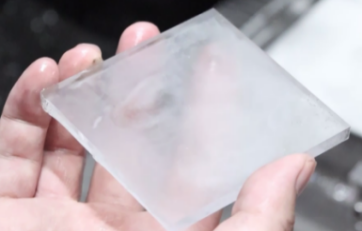
Dati originali del test di taglio Ensoll per 6 mm lastre di vetro ottico H-K9L prodotte con una sega a filo diamantato infinito ESO-GM,... leggi di più
Scopri il futuro del taglio di precisione - Aprile 21-23, Convention internazionale di Ningbo & Exhibition Center
Ningbo, Cina – Ensoll, un leader... leggi di più
Introduzione:
In una notevole dimostrazione di impegno per la soddisfazione del cliente, Ensolltools, leader nella produzione di macchinari all'avanguardia, inviato di recente un... leggi di più
Zhengzhou ·, Cina – Aprile 8, 2025– Ensoll, un produttore leader di attrezzature per il taglio di precisione, ha ospitato una delegazione di clienti australiani.... leggi di più
Punti chiave
La qualità della lavorazione del silicio influisce direttamente sulle prestazioni dei dispositivi elettronici, e il taglio è il primo passo critico.
Filo con anello di diamante... leggi di più
Dateline: Shenzhen, Settembre 11, 2024
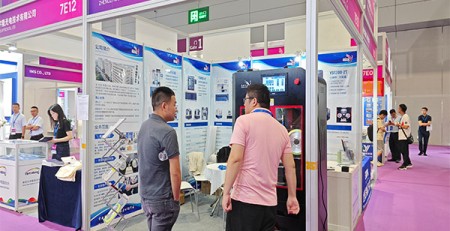
Alla Shenzhen International Optoelectronics Expo in corso, la nostra azienda sta facendo scalpore con la sua innovativa... leggi di più