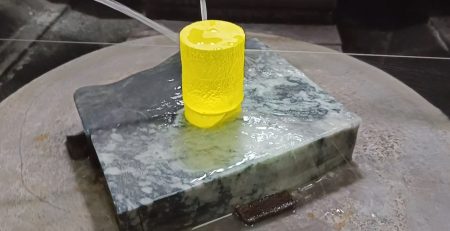
Ferrite (질그릇의) 자석은 스트론튬 또는 바륨 탄산염이 포함된 소결 산화철로 구성됩니다: 저렴하고, 내식성이 뛰어나며 최대 안정성을 가집니다 250 degC, 하지만 단단하고 부서지기 쉬움 — 따라서 절단 방법이 수율을 직접 결정함.
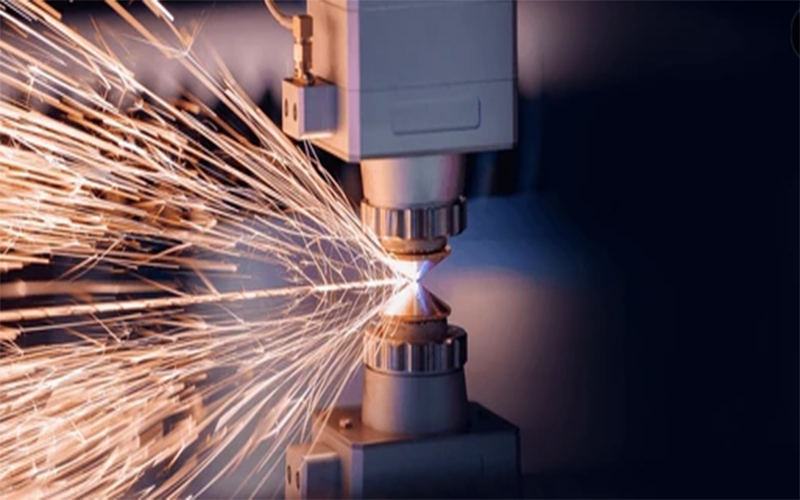
연삭은 50-100 마이크로미터 미세 균열을 남기고 속도가 느림; 레이저는 자기 특성을 변화시키는 열영향 영역을 생성함; 워터젯은 Ra >3 마이크로미터 단위의 가장자리를 남기며 연마 필요.
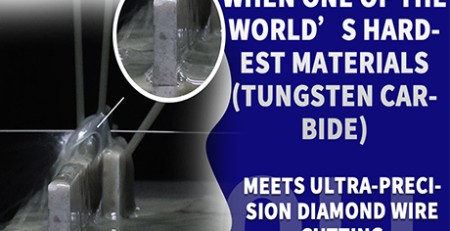
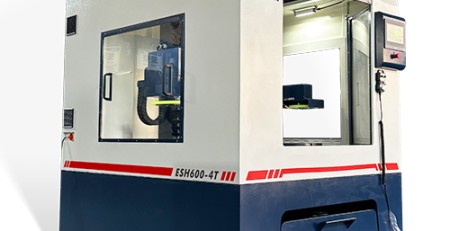
다이아몬드 와이어 톱 절단이 가장 적합함: a 0.1-0.3 mm 다이아몬드 코팅 와이어가 칩 없는 가장자리를 제공함 (Ra <0.5 마이크로미터), 열 손상 없음, ±0.02 mm tolerances and kerf under 0.2 밀리미터.
About 80% of Japanese ferrite manufacturers already use diamond wire saws, cutting production cost by roughly 30% versus grinding in high-volume runs.
1. What Are Ferrite Magnets?
Ferrite magnets, also known as ceramic magnets, are a type of permanent magnet composed primarily of iron oxide (Fe₂O₃) combined with strontium or barium carbonate. They are sintered under high temperatures to form a hard, brittle ceramic material with moderate magnetic strength (0.2–0.4 Tesla).
Key Properties
– 비용 효율적: Cheaper than rare-earth magnets (NdFeB/SmCo)
– High Resistivity: Low electrical conductivity reduces eddy current losses
– Temperature Stability: Maintain performance up to 250°C
– Corrosion Resistance: Do not require coating like NdFeB
응용 프로그램
– 전자공학: Speakers, sensors, and microwave devices
– 자동차: ABS sensors, electric motor components
– Industrial: Magnetic separators, holding systems
Due to their brittleness, ferrite magnets require specialized cutting methods to avoid chipping and cracking.
2.How Are Ferrite Magnets Processed?
Ferrite magnets are manufactured through sintering, producing blocks or discs that must be cut into precise shapes. Common machining methods include:
– Sensor Components: Precision slots for Hall-effect devices
– Custom Shapes: Trapezoidal/arc cuts for motors
결론
Ferrite magnets demand precision cutting to maintain performance. While grinding and laser methods have limitations, diamond wire saw cutting machines deliver the best balance of accuracy, 표면 품질, and cost efficiency.
For manufacturers seeking zero-defect ferrite components, upgrading to diamond wire technology reduces waste by 20% and boosts productivity by 3×.
Need a cutting solution? [문의] for a free sample test with your ferrite material! Compared with네오디뮴 자석 절단 방법, ferrite allows a higher feed rate, but chipping at the exit edge is still the defect to watch.
자주 묻는 질문
What is the best way to cut ferrite magnets?
다이아몬드 와이어 톱 절단. The thin diamond-coated wire (0.1-0.3 밀리미터) grinds through the brittle ceramic with very low force, producing chip-free edges at Ra below 0.5 micrometers and tolerances around ±0.02 mm — without the micro-cracks of grinding or the heat damage of laser cutting.
Why do ferrite magnets chip during cutting?
페라이트는 매우 낮은 인장 강도를 가진 소결 세라믹. Rigid blades and grinding wheels concentrate mechanical stress at the cut edge, and the material fractures as the tool exits. Low-force abrasive micro-grinding with a diamond wire largely eliminates this failure mode.
Can you laser cut ferrite magnets?
Only thin sheets (under about 3 밀리미터) and only for straight cuts. The laser’s heat-affected zone alters the magnetic properties near the cut, so for production parts a cold process like diamond wire saw cutting is preferred.
Does cutting affect ferrite’s magnetic performance?
Yes if the process adds heat or stress. Laser and hot grinding can alter properties near the cut; diamond wire saw cutting is a cold, coolant-controlled process, so the ferrite keeps its rated performance with no heat-affected zone.