Corte de vidro de precisão: Tecnologia Zero Chipping
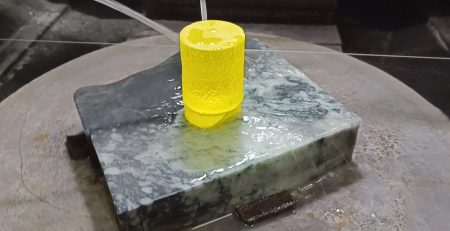
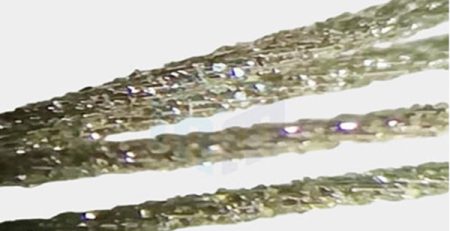
- Zero chipping edge technology uses ultra-thin diamond cutting wire loops to minimize mechanical stress, produzindo bordas suaves sem lascas, higher yield rates and better structural integrity for downstream processing.
- Low-stress glass machining — controlled cutting force plus optimized feed rate — is the key to separating brittle fused silica and borosilicate without stress fractures, at sub-micron accuracy.
- Fused silica defeats conventional routes: laser cutting causes thermal stress and mechanical scribing risks micro-cracks, while diamond wire cutting is a cold process with uniform force and high repeatability.
- Borosilicate glass dicing with diamond wire keeps cut quality consistent even on thick sheets, minimizes kerf loss and runs fast — and the same setup is crucial for camera lens array dicing.
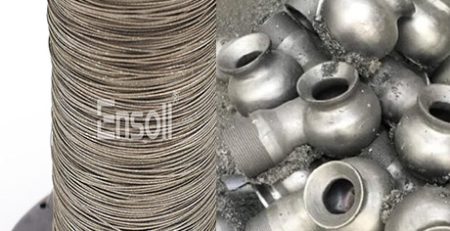
- Versus abrasive blades, diamond cutting wire loops offer thinner cuts, longer tool life and edge quality that needs no post-processing.
A procura por componentes de vidro de alta precisão aumentou em indústrias como a ótica, eletrônica, e dispositivos médicos. To meet these requirements, manufacturers rely on cutting-edge technologies like zero chipping edge technology, low-stress glass machining, and fused silica precision cutting. Among the most effective methods is diamond wire saw cutting, which ensures clean cuts with minimal micro-cracks.
Neste blog, we’ll explore the latest innovations in glass machining, including borosilicate glass dicing, camera lens array dicing, and optical filter manufacturing, while highlighting the role of diamond cutting wire loops and diamond wire saw cutting machines in achieving superior results.
Chipping is the defect that decides yield in corte óptico de vidro, and it is controllable with the right wire and feed.
The Importance of Zero Chipping Edge Technology
Traditional corte de vidro methods often produce micro-cracks, chips, and rough edges, leading to material waste and reduced product performance. Zero chipping edge technology addresses these issues by utilizing ultra-thin diamond cutting wire loops that minimize mechanical stress on the glass.
Key Benefits
– Smooth, chip-free edges – Essential for optical applications where clarity is critical.
– Higher yield rates – Reduced material loss due to precision cutting.
– Improved structural integrity – Lower risk of fractures during further processing.
This technology is particularly valuable in camera lens array dicing, where even minor imperfections can degrade image quality.
Low-Stress Glass Machining for Delicate Materials
Brittle materials like fused silica and borosilicate glass require specialized techniques to prevent cracking. Low-stress glass machining leverages controlled cutting forces and optimized feed rates to ensure clean separation without inducing stress fractures.
Aplicações:
– Optical filter manufacturing – Demands ultra-thin, flawless cuts for high-performance filters.
– Medical device components – Precision-cut glass used in sensors and lab equipment.
– Semiconductor wafers – Thin glass substrates for electronics.
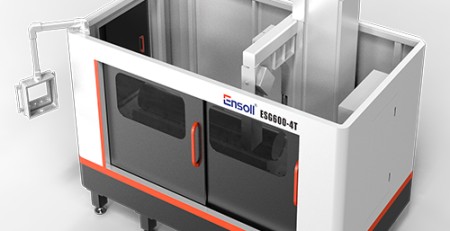
By using a diamond wire saw cutting machine, manufacturers achieve sub-micron accuracy while maintaining material strength.
Fused Silica Precision Cutting: Desafios e Soluções
Fused silica is prized for its thermal stability and optical clarity but is notoriously difficult to cut without introducing defects. Métodos convencionais como o corte a laser podem causar stress térmico, enquanto a gravação mecânica corre o risco de micro-fraturas.
Como o Corte com Fio de Diamante Sobressai:
– Processo de corte a frio – Sem zonas afetadas pelo calor.
– Força de corte uniforme – Evita distribuição desigual do stress.
– Alta repetibilidade – Ideal para produção em massa de componentes de precisão.
Indústrias que necessitam de corte de precisão de sílica fundida (por exemplo,, aeroespaço, óptica a laser) beneficiam grandemente deste método.
Corte de Vidro de Borosilicato para Aplicações Industriais
Vidro de borosilicato, conhecido pela sua resistência a choques térmicos, é amplamente utilizado em aparelhos químicos, embalagem LED, e capas de smartphones. Contudo, a sua dureza torna o corte de borosilicato desafiador.
Porque os Fios de Diamante São Ideais:
– Qualidade de corte consistente – Mesmo para chapas de borosilicato grossas.
– Perda mínima de corte – Maximiza a utilização do material.
– Fast processing speeds – Enhances production efficiency.
This method is also crucial in camera lens array dicing, where multiple lenses must be separated without damage.
Camera Lens Array Dicing: Precisão em escala
Modern smartphones and DSLR cameras rely on multi-lens arrays for advanced imaging. Camera lens array dicing requires extreme precision to avoid optical distortions.
Key Techniques:
– Ultra-thin diamond wire loops – For fine, clean cuts.
– Automated alignment systems – Ensures accurate positioning.
– Low-vibration cutting – Prevents lens misalignment.
Manufacturers using diamond wire saw cutting machines report higher yields and fewer defective lense
Optical Filter Manufacturing: Meeting High Standards
Optical filters used in spectroscopy, photography, and defense systems must have flawless surfaces. Optical filter manufacturing leverages low-stress glass machining to achieve:
– Near-perfect edge quality – No light scattering.
– Tight dimensional tolerances – Ensures proper fit in assemblies.
– High throughput – Meets industry demand.
Laço de Fio de Diamante vs. Traditional Blades
Unlike abrasive blades, diamond cutting wire loops provide:
✔ Thinner cuts – Less material waste.
✔ Longer tool life – Reduced downtime.
✔ Superior edge quality – No post-processing needed.
This makes them indispensable in diamond wire saw cutting machines for advanced glass processing.
Conclusão
The evolution of zero chipping edge technology, low-stress glass machining, and diamond wire saw cutting has revolutionized industries requiring ultra-precise glass components. Whether for borosilicate glass dicing, camera lens array dicing, or optical filter manufacturing, estes avanços garantem maior qualidade, eficiência, e eficiência de custos.
Investir numa máquina de corte com fio de diamante pode aumentar significativamente as capacidades de produção, fazendo dela uma escolha inteligente para fabricantes que visam a perfeição no corte de vidro.
Perguntas Frequentes
What is zero chipping edge technology?
It is a glass cutting approach that uses ultra-thin diamond cutting wire loops to minimize mechanical stress on the material. The result is smooth, chip-free edges, higher yield from reduced material loss, and a lower risk of fractures during further processing — essential for optical applications where clarity is critical.
Why is fused silica difficult to cut?
Fused silica is prized for thermal stability and optical clarity but is notoriously defect-prone: laser cutting introduces thermal stress, and mechanical scribing risks micro-cracks. Diamond wire saw cutting avoids both because it is a cold-cutting process with uniform cutting force and high repeatability.
What is the best way to dice borosilicate glass?
Uma serra de fio de diamante. It maintains consistent cut quality even on thick borosilicate sheets, minimizes kerf loss to maximize material utilization, and processes at speeds that support production efficiency. The same method is used for camera lens array dicing, where multiple lenses must be separated without damage.
What does camera lens array dicing require?
Extreme precision: ultra-thin diamond wire loops for fine clean cuts, automated alignment systems for accurate positioning, and low-vibration cutting to prevent lens misalignment. Even minor imperfections in the dicing step can degrade image quality in smartphones and DSLR cameras.
Revisado pela equipa de engenharia da Ensoll.