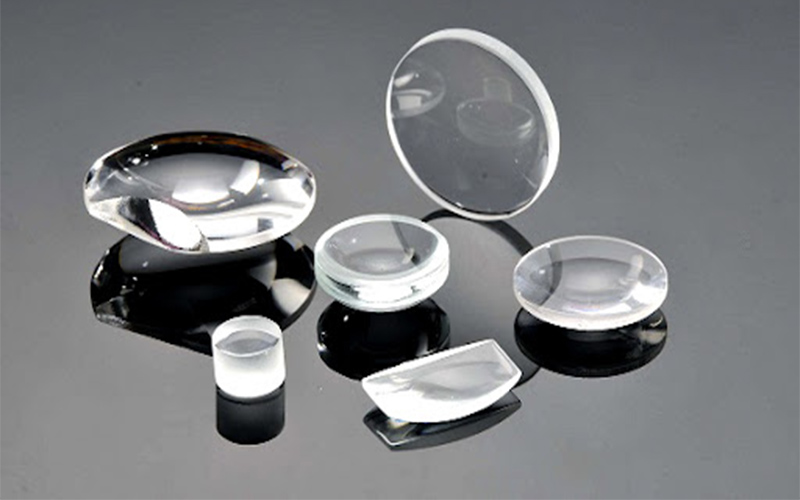
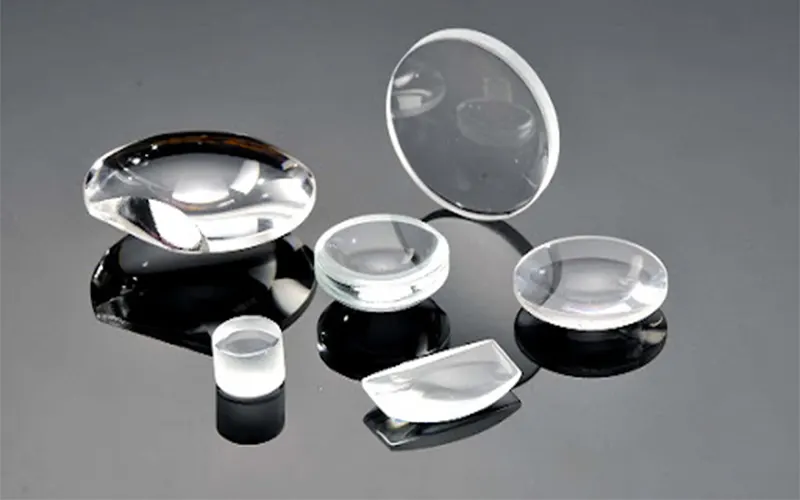
Optical glass is manufactured from a precise composition of silicates and metal oxides for high transparency and minimal light dispersion, with high refractive index, low thermal expansion and excellent stability.
Four main raw-material cutting methods: mechanical cutting, diamond blade cutting, diamond wire saw cutting and water jet cutting — each with distinct trade-offs.
Mechanical cutting is efficient for large-scale production but leaves rough edges; diamond blades give precise clean cuts but are expensive and wear out; wire sawing minimizes material loss with smooth surfaces but is slower; water jet avoids thermal damage but leaves slightly rougher edges.
Choosing a method depends on material properties, precision requirements, surface quality targets, production scale and cost.
Diamond wire saw cutting is ideal for slicing large blocks or ingots into thinner slices with high precision and minimal kerf loss.
O que é vidro óptico?
O vidro óptico é um tipo de vidro projetado especificamente para uso em óptica. It possesses unique properties that make it ideal for applications in lenses, prisms, and other optical components.
Optical glass is manufactured using a precise composition of silicates and other metal oxides to ensure high transparency and minimal light dispersion.
Its main characteristics include high refractive index, low thermal expansion coefficient, and excellent chemical and mechanical stability. Optical glass is crucial in various fields, including photography, microscopy, telescópios, and laser technology, where the precise control of light is essential for capturing and manipulating images, enhancing clarity, and achieving accurate measurements.
Cutting methods of optical glass raw materials:
When it comes to cutting raw materials for optical glass, there are several methods available. These include:
Mechanical cutting:
This method involves using machinery like saws or cutters to physically cut the raw materials of optical glass. It is commonly used in large-scale production due to its efficiency. Contudo, it may result in rough edges and require additional finishing processes to achieve the desired surface quality.
Diamond blade cutting:
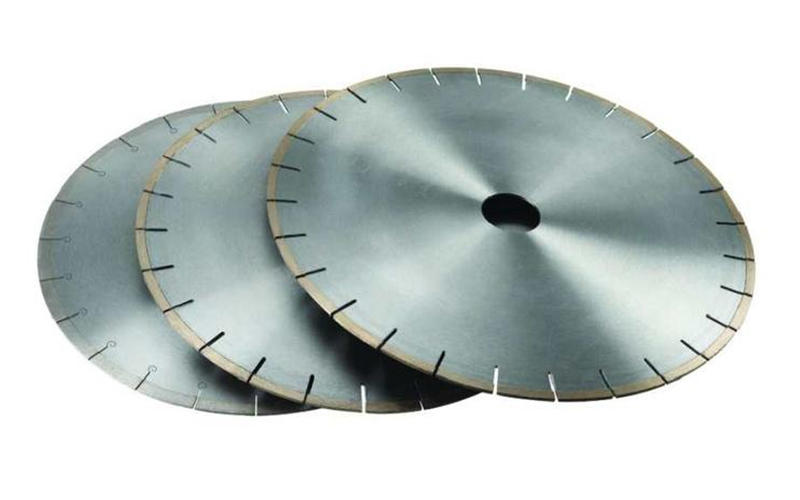
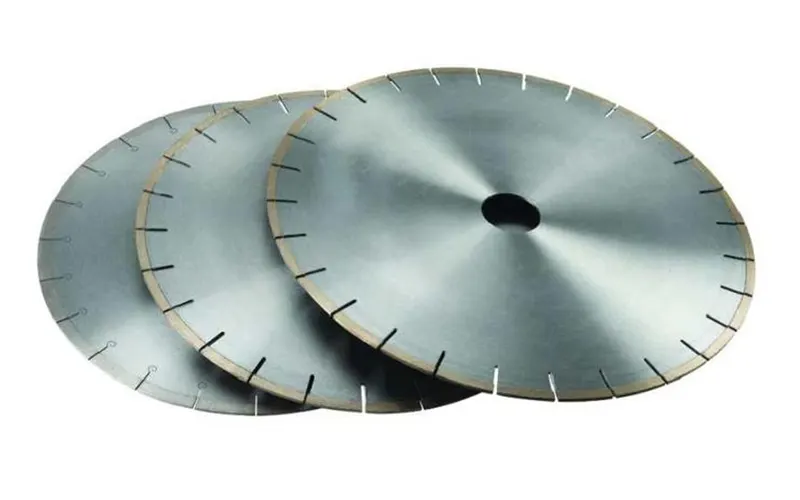
Diamond blades, known for their high hardness and abrasion resistance, are used to cut through the raw materials. This method offers precise and clean cuts, making it suitable for intricate shapes and reducing the need for additional finishing. Contudo, diamond blades are expensive and can wear out over time, requiring frequent replacement.
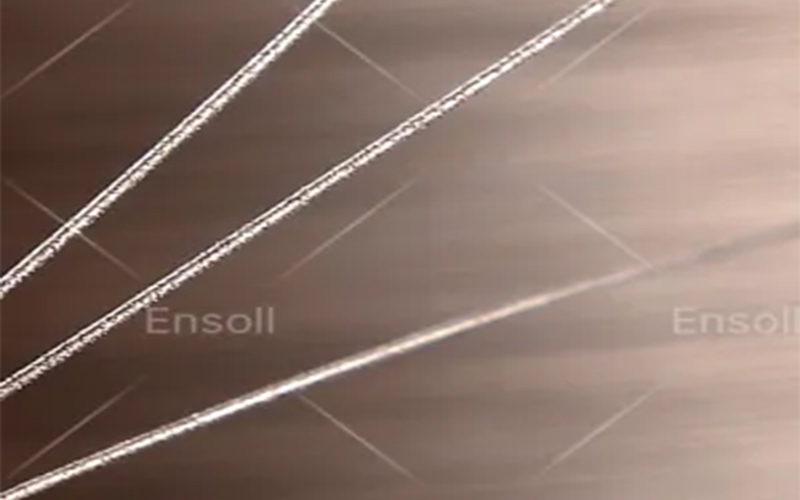
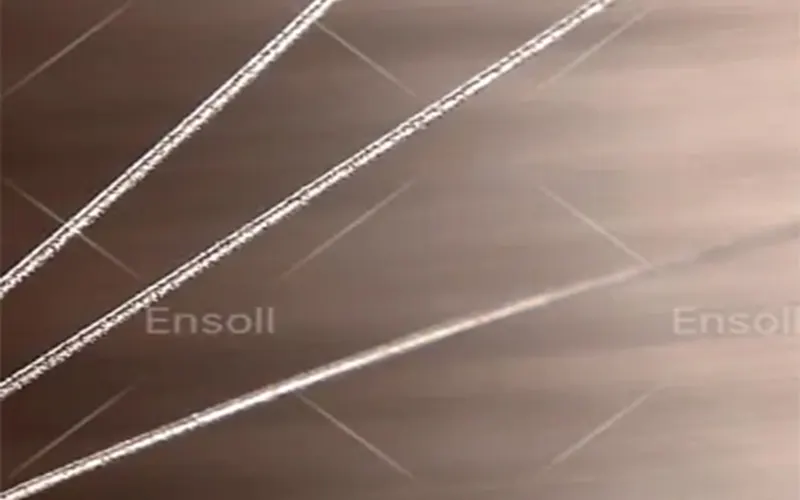
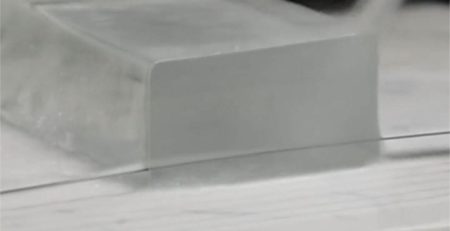
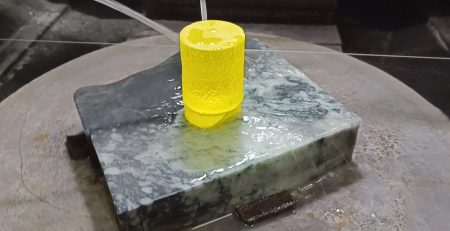
This technique involves employing a wire embedded with abrasive particles, such as diamond grit, to slice through the raw materials. It is ideal for cutting large blocks or ingots into thinner slices with high precision. The wire saw cutting process allows for minimal material loss and provides smooth surfaces. Contudo, it may be slower compared to other methods and requires careful control to prevent wire breakage.
Water jet cutting:
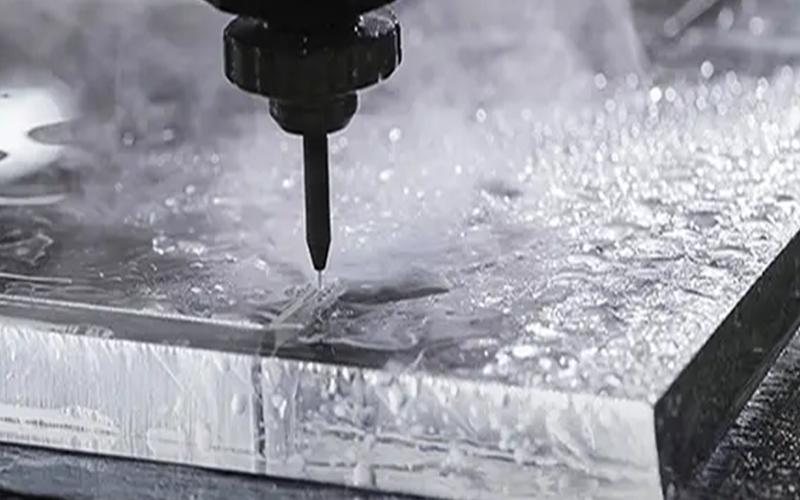
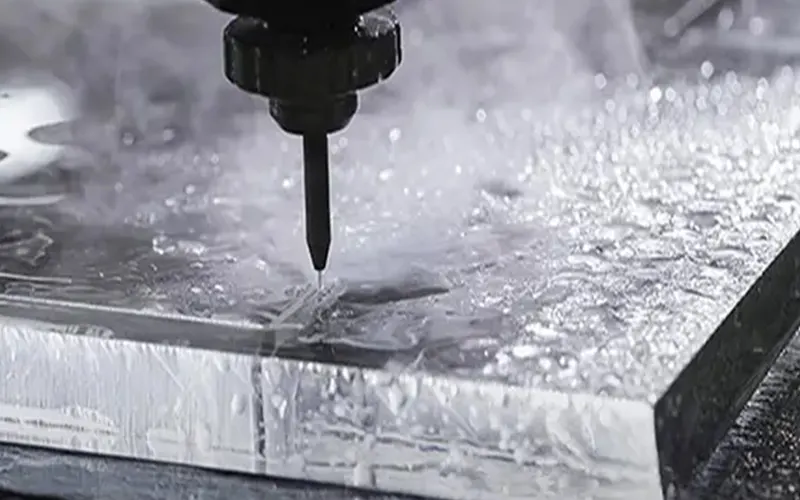
Water jet cutting involves the use of a powerful stream of pressurized water, combined with abrasive particles, to effectively slice through the raw materials. It is a versatile method suitable for various shapes and thicknesses. Water jet cutting does not generate heat and avoids thermal damage to the material. Contudo, it may result in slightly rougher edges and require additional cleaning after cutting.
How to choose the right cutting method:
When it comes to choosing the appropriate cutting method for optical glass, several factors should be considered:
Material properties: Consider the specific properties of the optical glass, such as hardness, fragilidade, and thermal sensitivity. Some cutting methods may be more suitable for certain types of optical glass than others.
Precision requirements: Determine the level of precision needed for the desired cuts. Some cutting methods, like laser cutting or diamond blade cutting, can offer high precision, while others may result in slightly rougher edges.
Surface quality: Evaluate the desired surface finish of the cut edges. Certain cutting methods, such as diamond blade cutting or wire saw cutting, can provide cleaner and smoother edges compared to others.
Production scale: Consider the scale of production and the required throughput. Some cutting methods, like mechanical cutting or water jet cutting, may be more efficient for large-scale production, while others may be better suited for smaller quantities or specialized cuts.
Cost considerations: Assess the cost-effectiveness of each cutting method, including equipment, maintenance, e consumíveis. Some methods, like mechanical cutting, may have lower initial costs, while others, like laser cutting, may require higher upfront investments.
Resumindo:
Based on the aforementioned understanding ofcorte óptico de vidro, if you have any further questions regarding cutting techniques, Por favor, não hesite em contactar-nos. We have our own research and development team and are a leading manufacturer in the industry. We can provide ODM services tailored to your cutting needs. We are excited to hear from you and ready to offer our full support. For the full parameter set behind this overview, see our dedicated guide tocorte óptico de vidro.
Perguntas Frequentes
O que é vidro óptico?
Optical glass is a glass specifically designed for optics, manufactured from a precise composition of silicates and metal oxides to ensure high transparency and minimal light dispersion. Its high refractive index, low thermal expansion and chemical and mechanical stability make it essential for lenses, prisms, photography, microscopy, telescopes and laser technology.
What are the main methods for cutting optical glass?
Four main methods: mechanical cutting with saws or cutters, which is efficient for large-scale production; diamond blade cutting, which gives precise and clean cuts; corte de serra de fio diamantado, which slices large blocks with minimal material loss and smooth surfaces; and water jet cutting, which avoids thermal damage and handles various shapes and thicknesses.
How do I choose the right optical glass cutting method?
Weigh five factors: the material’s hardness, brittleness and thermal sensitivity; the precision level required; the desired surface finish of the cut edges; the production scale and throughput; and the total cost including equipment, maintenance and consumables.
What are the pros and cons of diamond wire saw cutting for optical glass?
It is ideal for cutting large blocks or ingots into thinner slices with high precision, minimal material loss and smooth surfaces. The trade-offs are that it can be slower than other methods and requires careful process control to prevent wire breakage.
Com o desenvolvimento contínuo da tecnologia, As vantagens do laço de fio diamantado na indústria de processamento de corte estão se tornando mais... leia mais
Principais Conclusões
Os métodos de corte tradicionais sofrem quatro pontos problemáticos: processos lentos, perda elevada de material, variedade de materiais limitada, e riscos à segurança do operador.
O... leia mais
Key Takeaways
A single-crystal silicon ingot goes through cropping, Moagem de diâmetro, Cortar, Chanframento de borda, lambição e polimento antes de estar pronto.... leia mais
Como fabricante líder global de ferramentas e equipamentos industriais, Nossa empresa tem muito orgulho em nossas instalações de produção de última geração... leia mais
Principais Conclusões
O corte a laser é sem contacto e rápido, mas a sua zona afetada pelo calor pode criar microfissuras que reduzem a eficiência da célula solar.
Fio de diamante.... leia mais
Conclusões Chave
Um semicondutor é um material com propriedades entre um isolante e um condutor, controlável através de dopagem e campos elétricos.
Compreensão... leia mais