A alumina é dura, resistente ao desgaste e quebradiça; lascar na entrada e saída do corte é o principal defeito a controlar.
O corte com fio de diamante utiliza moagem distribuída em vez de cisalhamento concentrado, o que mantém as bordas intactas.
Verde (não sinterizado) corpos e alumina totalmente sinterizada necessitam de diferentes granulometrias de fio e configurações de avanço.
Introdução
Alumina (Al₂O₃), ou óxido de alumínio, é uma das cerâmicas avançadas mais utilizadas devido à sua dureza excepcional, estabilidade térmica, e propriedades de isolamento elétrico. Contudo, Sua extrema resistência mecânica e fragilidade dificultam a usinagem usando métodos de corte convencionais. As máquinas de corte com fio diamantado surgiram como a solução preferida para alta precisão, Corte de baixo dano de componentes de alumina em todos os setores.
Este artigo explora os princípios, Vantagens, e aplicações de corte de serra de fio diamantado para alumina, junto com considerações chave para otimizar o processo.
Desafios na Corte de Alumina
Antes de discutir a tecnologia de serra de fio de diamante, é importante compreender por que a alumina é difícil de usinar:
-Dureza Extrema (9 na escala de Mohs)**: Apenas ferramentas à base de diamante conseguem cortá-la eficazmente sem desgaste excessivo.
– Fragilidade**: Propensa a lascar e a micro-fissuras se sujeita a forças de corte inadequadas.
– Sensibilidade Térmica**: Métodos abrasivos de alta velocidade podem induzir stress térmico, levando a fracturas.
Técnicas de usinagem tradicionais, como a rectificação, corte a laser, ou a usinagem ultrassónica, frequentemente resultam em:
✔ Perda de material devido à largura do corte
✔Defeitos de superfície (micro-fissuras, rugosidade)
✔ Danos térmicos devido à geração excessiva de calor
Como Funciona o Corte com Serra de Fio de Diamante
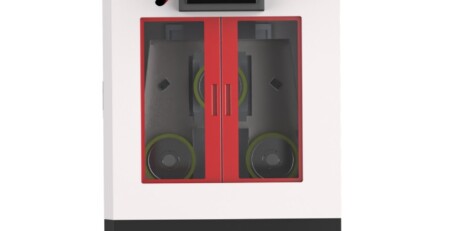
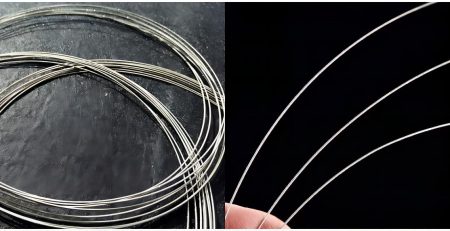
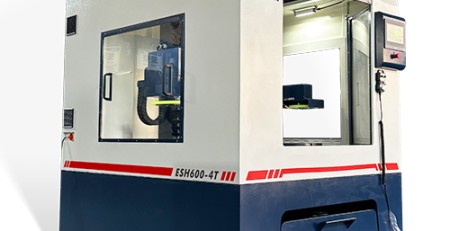
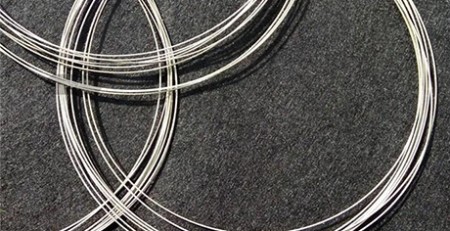
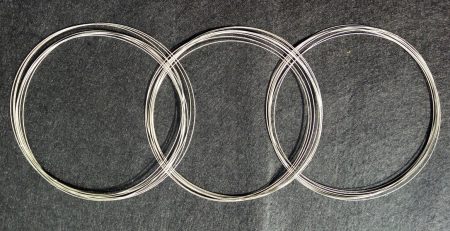
Uma máquina de corte com serra de fio de diamante utiliza um fio de aço de alta resistência embutido com partículas de diamante sintético, funcionando em loop contínuo a velocidades controladas. Os principais componentes e etapas do processo incluem:
1. Composição do Fio de Diamante
– Material do Núcleo: Fio de aço com alto teor de carbono para força e flexibilidade.
– Granulado de Diamante: Partículas de diamante sintético (30–100 µm) ligado ao fio através de eletrodeposição ou colagem com resina.
– Diâmetro do fio: Tipicamente 0,1–0,5 mm, dependendo da precisão necessária.
2. Mecanismo de Corte
– O fio move-se a velocidades de 10–60 m/s, com tensão controlada para prevenir deflexão.
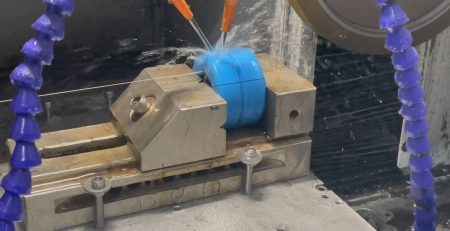
– As partículas de diamante funcionam como ferramentas de microcorte, erosionando gradualmente a alumina.
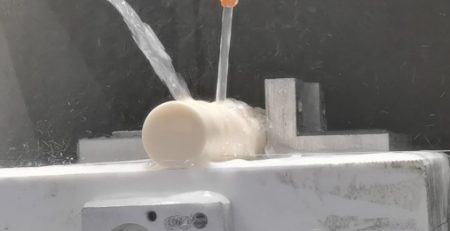
– Um fluido de refrigeração (à base de água ou óleo) é aplicado para:
– Reduzir o atrito & geração de calor
– Remover detritos
– Prolongar a vida do fio
3. Taxa de Avanço & Parâmetros de Corte
– Taxa de avanço otimizada (0.1–5 mm/min) garante a remoção eficiente de material sem quebra do fio.
– Velocidades mais baixas para blocos de alumina mais espessos para minimizar lascamento.
– Velocidades mais altas para wafers finos para melhorar a produtividade
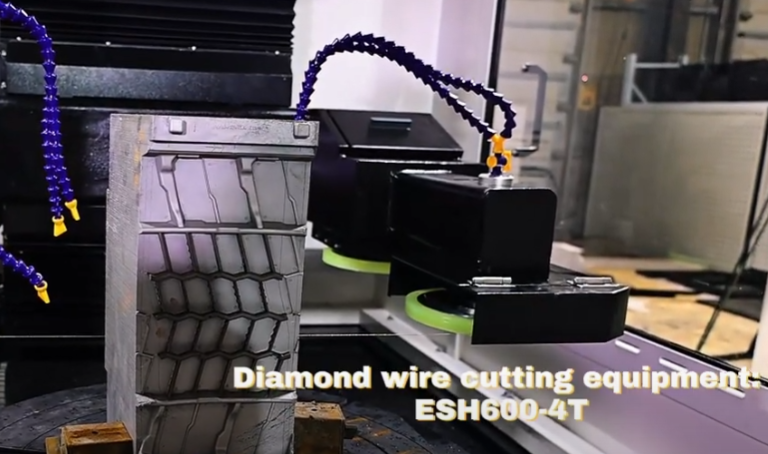
Exibição de corte:
Vantagens do Corte com Fio Diamantado para Alumina
Comparado com métodos tradicionais, diamond wire sawing offers:
✔ Ultra-Precise Cuts – Kerf widths as narrow as **0.2 mm**, minimizing material waste.
✔ Superior Surface Finish – Ra (rugosidade) values below **0.5 µm**, reducing post-processing.
✔ Ability to Cut Complex Shapes – Suitable for curved, angled, or thin-section cuts.
✔ Longer Tool Life – Diamond wire lasts significantly longer than abrasive blades.
Applications in Industry
Diamond wire-cut alumina is used in:
1.Eletrónica & Semicondutores
– Alumina substrates for IC packaging
– Insulating components in high-power electronics
2.Óptica & Laser Technology
– Laser tubes & reflectors requiring high thermal stability
– Transparent alumina windows for specialized optics
3.Cerâmicos Industriais
– Wear-resistant liners for machinery
– High-temperature furnace components
4.Medical & Aeroespacial
– Biocompatible alumina implants
– Lightweight structural components
Key Considerations for Optimal Cutting
To maximize efficiency and cut quality:
Wire Selection – Choose diamond grit size and bond strength based on alumina hardness.
Coolant Management – Proper filtration prevents clogging and extends wire life.
Tension Control – Prevents wire breakage and ensures straight cuts.
Feed Rate Optimization – Balances cutting speed and surface finish
Conclusão
Thediamond wire saw cutting machine is a game-changer for machining alumina, offeringunmatched precision, perda mínima de material, and superior surface integrity. As industries demand tighter tolerances and more complexcerâmicacomponents, this technology will remain indispensable for advanced material processing.
For manufacturers and researchers working with alumina, investing in a high-quality diamond wire saw system can significantly improve yield, reduzir desperdícios, and enhance product performance.
Perguntas Frequentes
How do you cut alumina ceramic without chipping it?
Use a diamond wire saw with fine grit, a controlled feed rate and full coolant coverage. The distributed grinding action avoids the concentrated stress that causes chips.
Can alumina be cut after sintering?
Sim, though it is much harder and slower. Most shops rough-shape green bodies and only finish after sintering.
O que causa lascamento nas bordas ao cortar alumina?
Concentrated mechanical load at the entry and exit of the cut, made worse by vibration from unstable wire tension.
É o fio de diamante melhor do que a lâmina de diamante para alumina?
For precision and thin sections, sim: narrower kerf, less chipping, and no blade wander.
Conteúdo técnico revisto pela equipa de engenharia da Ensoll — um fabricante de laços de fio de diamante com 10+ anos de experiência em produção.
Principais Conclusões
Uma máquina de corte com serra de fio de diamante corta com um fio contínuo embutido com diamante, proporcionando cortes limpos, e intrincados com... leia mais
Abstrair: Esta ficha de referência lista a janela de processo validada no teste de corte de espuma estrutural PMI da Ensoll
(polimetacrilimida) em uma máquina horizontal ESH600-4T
leia mais
Principais Conclusões
O corte de precisão é fundamental na fabricação de semicondutores porque os danos por corte propagam-se para todos os processos posteriores.
Diferentes materiais semicondutores necessitam de diferentes.... leia mais
O corte de arame em loop diamantado possui várias vantagens significativas no campo do processamento de materiais magnéticos, tornando-o um corte ideal... leia mais
1.O que é laço de fio diamantado?
Laço de fio diamantado, também conhecido como serras de fio diamantado, são ferramentas de corte que consistem em... leia mais
Principais Conclusões
O corte com serra de fio de diamante fatia materiais com uma serra de fio de alta velocidade em rotação, oferecendo alta precisão e alta eficiência em comparação com... leia mais
A serra de fio diamantado tem características como alta eficiência, alta precisão, Ampla gama de aplicações, conservação de materiais, uniforme... leia mais