Тест резки кварца: 80 мм/мин, Бесконечная алмазная проволока
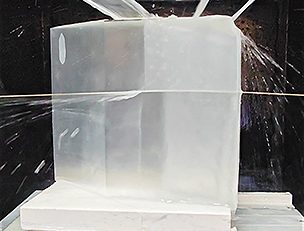
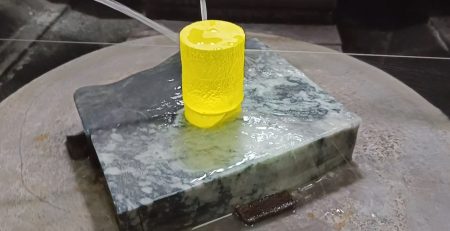
Test conclusion: In this customer sample test, Ensoll cut a 415 mm diameter quartz workpiece at a stable feed rate of 80 mm/min using a customized ESC600-4T endless diamond wire saw, a fully coated 0.80 mm diamond wire loop, and cutting oil. Three 30 mm-thick samples recorded TTV values of 0.410-0.630 миллиметр, average Ra values of 1.52-1.87 µм, и максимальное скалывание кромки 16.1-18.2 µм.
- A 415 mm diameter, 500 mm long quartz workpiece was sliced into 30 mm samples at a stable 80 mm/min feed using a customized ESC600-4T machine, a fully coated 0.80 mm diamond wire loop at 38 М / сек, and cutting oil.
- Three samples recorded TTV of 0.410-0.630 миллиметр, average surface roughness of Ra 1.52-1.87 микрометры, и максимальное скалывание кромки 16.1-18.2 микрометры.
- Cutting oil was the decisive process change: water-based coolants limited feed to roughly 1-3 мм/мин, while oil lubrication stabilized the diamond-quartz interface for high-feed cutting.
- High-speed quartz cutting is a system-level result — machine rigidity, 230 N tension control, wire specification, смазка и стратегия сегментированной подачи должны совпадать; повышение скорости подачи само по себе не воспроизводит её.
Этот отчет документирует конфигурацию оборудования, cutting parameters, метод измерения, и результаты испытания кварцевой резки для британского заказчика, анонимизировано как компания B. Значения ниже описывают эту тестовую установку и условия образца; их не следует интерпретировать как гарантированные результаты для каждого сорта или геометрии кварца.
Ключевые результаты испытаний
- Заготовка: кварц, Ø415 мм × 500 миллиметр
- Образец резки: Ø415 мм × 30 миллиметр
- Стабильная подача: 80 мм/мин
- Скорость алмазной проволоки: 38 М / сек
- TTV: 0.410-0.630 мм по трём образцам
- Средняя шероховатость поверхности: Ra 1.52-1.87 µм
- Максимальная измеренная сколка краёв: 16.1-18.2 µм
Сырье здесь так же важно, как и настройки машины — высокочистый кварц ведёт себя иначе, чем плавленный кремнезём под проволокой.
Почему высокоскоростная резка кварца затруднена
Кварц в основном состоит из диоксида кремния (SiO2). Его прочная сеть ковалентных связей обеспечивает высокую твердость и химическую стабильность, но также делает его хрупким и чувствительным к образованию трещин. По мере увеличения подачи резания, трение, изгиб проволоки, вибрация, локальный нагрев, и нестабильное взаимодействие абразива могут снижать точность или вызывать скалывание и повреждение подповерхностного слоя.
Следовательно, инженерная задача заключалась не просто в том, чтобы проволока двигалась быстрее. Процесс должен был повысить эффективность удаления материала при сохранении контроля за траекторией проволоки, нагрузкой резания, cooling, смазкой, равномерностью толщины, состоянием поверхности, и целостностью кромки.
Объект испытания и конфигурация оборудования
| Пункт | Условие теста |
|---|---|
| Материал | Кварц |
| Твёрдость | Приблизительная твердость по шкале Мооса 7 |
| Размер заготовки | Ø415 мм × 500 мм в длину |
| Целевой размер образца | Ø415 мм × 30 мм |
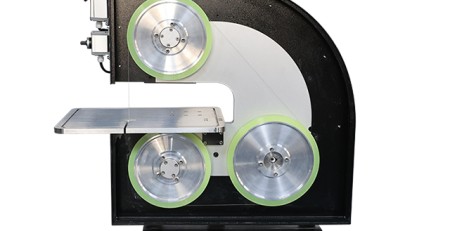
| Станок | Кастомизированная бесконечная алмазная пила ESC600-4T |
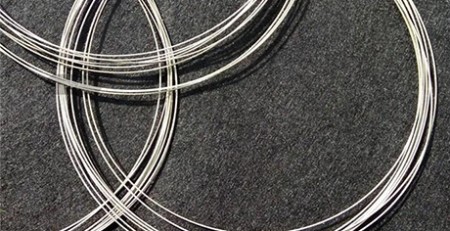
| Резательный инструмент | Полностью покрытая алмазом проволочная петля, Ø0,80 мм × 3,780 миллиметр |
| Охлаждение/смазка | Резательное масло |

Машина была сконфигурирована вокруг жесткой режущей конструкции, стабильное зажатие заготовки, контролируемая вертикальная подача, и автоматическое управление натяжением проволоки. Для связанных конфигураций, см. Ensoll's алмазная проволочная пила ESC600 и более широкий ассортимент машин для резки алмазной проволокой.
Параметры резки и стратегия процесса
| Параметр | Записанные настройки |
|---|---|
| Петля из алмазной проволоки | Ø0,80 мм × 3,780 миллиметр, полностью покрытая |
| Испытания скорости подачи | 55, 60, и 80 мм/мин |
| Стабильная подача для производственного теста | 80 мм/мин |
| Ширина реза | 415 миллиметр |
| Записанное натяжение проволоки | 230 N |
| Скорость проволоки | 38 М / сек |
| Время натяжения дуги проволоки | 200 s |

Почему охлаждающая жидкость важна
Ранние тесты с водой или обычным водным охлаждающим средством были ограничены примерно 1-3 мм/мин и не поддерживали стабильное состояние резки. Switching to a dedicated cutting oil improved lubrication at the diamond abrasive-quartz interface, reduced frictional resistance and localized stress, and helped the abrasive grains remove material more consistently.
Under the optimized condition, the process reached a stable feed of 80 мм/мин. A segmented strategy was also evaluated: a higher entry feed was used during the initial engagement, then the feed was reduced as the contact area and cutting load increased. This approach shortened non-steady cutting time while protecting edge quality during the deeper portion of the cut.
The fully coated Бесконечная петля из алмазной проволоки provided continuous abrasive engagement and avoided the reversal points associated with reciprocating wire motion.

Результаты измеренной резки
Для оценки изменения толщины были взяты три образца резки, габаритное отклонение, шероховатость поверхности, и сколы кромок. Измерения дают более полезное представление, чем только скорость резки, поскольку показывают, сохранял ли более быстрый процесс повторяемую геометрию и целостность поверхности.
1. Общее отклонение по толщине (TTV)
TTV измерялся с помощью вакуумного патрона, сетка из девяти точек, метод измерения толщины с двойным зондом. Оборудование было термически стабилизировано и откалибровано, и каждый образец был очищен и центрирован перед измерением.
| Образец | Tmax (миллиметр) | Tmin (миллиметр) | TTV (миллиметр) |
|---|---|---|---|
| S01 | 29.780 | 29.200 | 0.580 |
| S02 | 30.040 | 29.410 | 0.630 |
| S03 | 29.830 | 29.420 | 0.410 |
Тем 0.410-0.630 Диапазон TTV в мм указывает на то, что нагрузка на резку и путь проволоки оставались контролируемыми во всех трёх образцах в ходе этого теста.
2. Точность толщины
| Образец | Средняя толщина (миллиметр) | Отклонение от 30.000 миллиметр |
|---|---|---|
| S01 | 29.479 | -0.521 миллиметр |
| S02 | 29.720 | -0.280 миллиметр |
| S03 | 29.660 | -0.340 миллиметр |
Максимальное абсолютное среднее отклонение толщины составляло 0.521 миллиметр. Выбор припуска всё ещё должен учитывать последующую шлифовку или полировку у заказчика.
3. Шероховатость поверхности
Surface roughness was measured by stylus profilometry following the ISO 4287 evaluation framework. На каждом образце измерялись три характерные точки.
| Образец | Ra-1 (µм) | Ra-2 (µм) | Ra-3 (µм) | Среднее значение Ra (µм) |
|---|---|---|---|---|
| S01 | 1.83 | 1.40 | 1.33 | 1.52 |
| S02 | 1.70 | 1.73 | 1.65 | 1.69 |
| S03 | 1.91 | 1.83 | 1.86 | 1.87 |
4. Edge chipping
The four edges of each sample were cleaned and inspected with a calibrated tool microscope. Maximum measured chipping remained below 20 µm for all three samples.
| Образец | Положение 1 | Положение 2 | Положение 3 | Положение 4 | Максимум (µм) |
|---|---|---|---|---|---|
| S01 | 12.5 | 15.2 | 14.6 | 16.8 | 16.8 |
| S02 | 14.3 | 17.5 | 18.2 | 16.9 | 18.2 |
| S03 | 11.8 | 14.6 | 15.2 | 16.1 | 16.1 |

What enabled the 80 mm/min result?
- Lubrication matched to quartz: cutting oil reduced interface friction and stabilized abrasive engagement better than the water-based media used in the early trials.
- Rigid machine structure: stable clamping and controlled feed reduced vibration and positional fluctuation over the 415 mm cutting width.
- Dynamic cutting parameters: скорость подачи была отрегулирована в соответствии с изменяющимся состоянием контакта, а не поддерживалась на одном агрессивном значении на протяжении всего реза.
- резание в непрерывном цикле: бесконечная проволока сохраняла однонаправленное движение, скоростное абразивное движение без возвратно-поступательной реверсии.
- Контроль натяжения: стабильное натяжение проволоки ограничивало колебания дуги и помогало сохранять постоянную толщину и качество кромки.
Инженерная интерпретация и ограничения
Результат показывает, что высокоскоростная резка кварца является системной проблемой. Жесткость станка, крепление заготовки, спецификация алмазной проволоки, охлаждающая/смазочная жидкость, натяжение, wire speed, и стратегия подачи должны быть согласованы друг с другом. Увеличение подачи в одиночку вряд ли позволит получить тот же результат.
Марка кварца, внутренние напряжения, включения, геометрия, требуемый припуск, спецификация поверхности, и последующая обработка могут все изменить практическое окно резки. Перед производством, Ensoll recommends a sample test using the customer’s actual material and acceptance criteria. Наш custom diamond wire cutting solution workflow combines material testing, machine configuration, wire selection, and process development.
Frequently asked questions
Can an endless diamond wire saw cut large-diameter quartz?
Да. This test cut a 415 mm diameter quartz workpiece. The required machine travel, rigidity, крепление заготовки, wire length, натяжение, and coolant delivery must be sized for the workpiece.
Is 80 mm/min guaranteed for every quartz workpiece?
Нет. Тем 80 mm/min value is the stable feed reached under the documented sample, equipment, проволоки, and cutting-oil conditions. Different quartz grades, sizes, tolerances, and surface requirements require process validation.
Why was cutting oil used instead of water?
В этом тесте, cutting oil provided better lubrication at the diamond-quartz interface and supported a more stable, higher-feed cutting state. Fluid selection must also account for cleaning, environmental, безопасность, and downstream-process requirements.
What data should a customer provide for a quartz cutting test?
Useful inputs include quartz grade, workpiece drawing, dimensions, cutting direction, target thickness, tolerance, TTV, шероховатость поверхности, chipping limit, объем производства, coolant restrictions, and downstream grinding or polishing allowance.
Заключение
Under the documented conditions, the customized endless diamond wire cutting process combined an 80 mm/min stable feed with controlled TTV, шероховатость поверхности, and edge chipping on 415 mm quartz samples. The test demonstrates the value of matching equipment structure, fully coated diamond wire, cutting oil, tension control, and segmented feed strategy for hard and brittle quartz.
Need to validate your own quartz material? Send Ensoll your drawing, material information, and acceptance criteria обсудить пример теста резки и конфигурацию машины.
Проверено инженерной командой Ensoll.