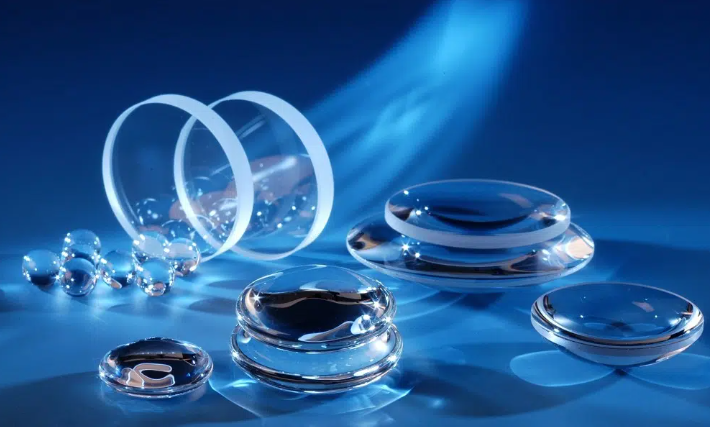
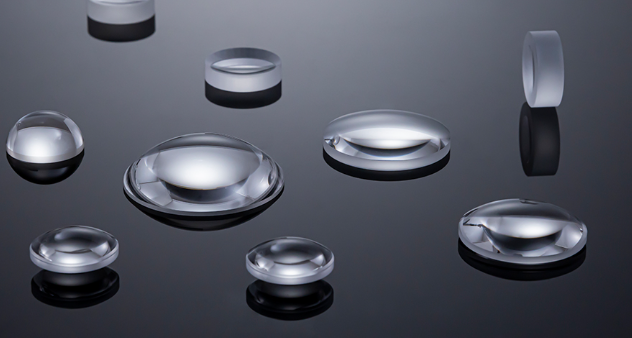
Optical glass is engineered for lenses, 具有精确控制折射率的棱镜和滤光片, dispersion and low impurity levels — a different material class from regular structural glass.
Its defining characteristics are high transparency across a broad spectrum, controlled dispersion for correcting chromatic aberration, a low thermal expansion coefficient, and resistance to humidity and chemicals.
The three main cutting routes compare clearly: 金刚石线切割 (精度, thin kerf, clean edges), 激光切割 (fast on thin glass but leaves a heat-affected zone), and mechanical sawing (cheap but rough and wasteful).
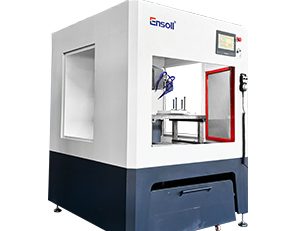
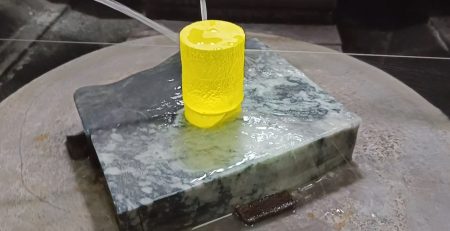
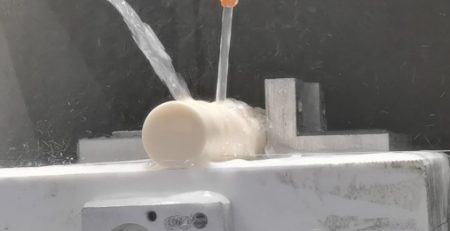
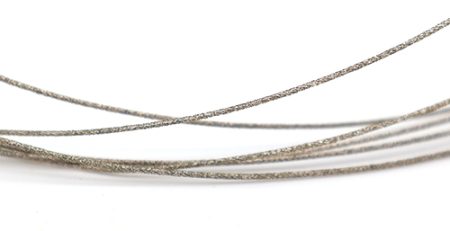
Diamond wire cutting is the preferred choice for optical glass: unmatched precision for intricate components, high-volume efficiency, minimal waste of expensive material, and clean cuts that often skip secondary finishing.
概述:
光学玻璃, 一种具有卓越光学特性的特殊类型的玻璃, 站在现代技术和创新的最前沿, playing a pivotal role in a myriad of industries. Its unique characteristics have revolutionized fields ranging from telecommunications to medical imaging, making it an indispensable material in today’s world of precision optics.
In the following sections of this guide, we will delve deeper into the concept of optical glass, exploring its unique properties and the cutting-edge techniques used to shape and refine this remarkable material.
Understanding the Concept of Optical Glass:
1. Definition of Optical Glass:
Optical glass is a specialized type of glass engineered for use in optical systems, such as lenses, 棱镜, and filters. Unlike regular glass, optical glass is meticulously crafted to exhibit specific optical properties that are essential for manipulating light in precise ways. 这些特性使光学玻璃在各种光学仪器和设备中发挥基础作用.
由于其定制的光学特性, optical glass finds extensive use in a myriad of applications, ranging from precision optics in scientific research to medical imaging, 电信、, astronomy, 以及消费电子产品. Its versatility and adaptability to various optical requirements make optical glass a cornerstone of innovation and technological advancement in the field of optics.
Characteristics of Optical Glass:
Optical glass possesses a unique set of characteristics that make it indispensable in the field of optics. Let’s delve into the key attributes that define optical glass and elucidate how each contributes to its effectiveness in diverse optical systems:
1.Transparency:
Optical glass is renowned for its exceptional transparency, allowing light to pass through with minimal absorption or scattering. 该特性对于维持通过光学元件传输的图像的保真度至关重要.
色散是指光通过介质时被分解成其组成颜色的现象. 光学玻璃表现出可控的色散特性, allowing for the correction of chromatic aberrations in optical systems.
By carefully selecting optical glass with specific dispersion characteristics, designers can ensure that different wavelengths of light converge at the same focal point, enhancing image quality and color accuracy.
4.热性能:
The thermal properties of optical glass are crucial for maintaining optical performance across a range of temperatures. Optical glass is engineered to have low coefficients of thermal expansion, reducing the risk of distortion or damage under thermal stress.
These thermal properties ensure that optical components retain their shape and optical properties even when subjected to temperature variations, making optical glass suitable for a wide range of operating conditions.
Resistance to Environmental Factors:
Optical glass is designed to withstand environmental factors such as humidity, temperature fluctuations, and chemical exposure. Its robust nature ensures long-term stability and performance reliability in diverse settings.
The resistance of optical glass to environmental factors minimizes the need for frequent maintenance or replacements, making it a cost-effective and durable choice for optical systems.
Advantages of Diamond Wire Cutting for Optical Glass:
Advantages of Diamond Wire Cutting for Optical Glass:
卓越的精度: 金刚石线切割提供无与伦比的精度, making it ideal for intricate optical components and precision parts.
效率: 金刚石线切割的效率允许以一致的质量和精度进行大批量生产.
干净的切割: 金刚石线切割产生的干净切割最大限度地减少了对额外精加工工艺的需求, 节省时间和资源.
综上所述:
While various cutting methods are available for optical glass, diamond wire cutting stands out as the preferred choice due to its precision, 效率, 和最小的材料损失. By leveraging the advantages of diamond wire cutting, manufacturers can achieve superior quality and accuracy in cutting optical glass components, meeting the demands of modern optical applications with excellence. Once the blank is specified, the yield question becomes one of process: see 光学玻璃切割for the parameters that matter.
常见问题
什么是光学玻璃?
Optical glass is a specialized glass engineered for use in optical systems such as lenses, prisms and filters. It is formulated with high precision to achieve specific refractive indices, dispersion properties and very low impurities, enabling accurate manipulation of light that regular glass cannot deliver.
What is the difference between optical glass and regular glass?
Optical glass is manufactured for optical purity — controlled refractive index, controlled dispersion, minimal light absorption and high homogeneity. Regular glass is designed mainly for structural purposes and lacks the optical purity required for imaging and precision optical applications.
What is the best method for cutting optical glass?
金刚石线切割. A thin wire embedded with diamond particles makes precise cuts with a very narrow kerf, producing smooth edges at high speed with minimal material loss. Laser cutting is fast on thin glass but creates a heat-affected zone, and mechanical sawing leaves rougher edges.
Does laser cutting damage optical glass?
It can. Laser cutting creates a heat-affected zone around the cut, which introduces thermal stress and can alter the optical properties of the glass near the edge. For precision optical components, a cold abrasive process such as diamond wire cutting avoids that risk.