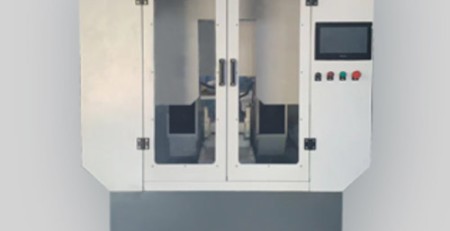
金刚石绳锯: 翡翠的精密切割
几个世纪以来, 玉石因其美丽而备受尊崇, 耐久性, 以及文化意义, 特别是在亚洲艺术和珠宝中. 然而, 这种珍贵的硬脆材料由于其卓越的韧性及在受力下易开裂的特性,在加工上面临重大挑战. 传统的玉石雕刻方法往往会造成大量材料浪费,并且在设计复杂性上存在局限. The advent of 金刚石线锯 technology has revolutionized jade processing, introducing unprecedented levels of precision, 效率, and material conservation to this ancient craft.
- A diamond wire saw cuts jade with a continuous loop of high-tensile steel or tungsten core wire coated with diamond particles, each particle acting as an individual cutting point.
- Surface finishes of 0.1-0.8 micrometers Ra are typical on jade, often eliminating secondary finishing operations entirely.
- The kerf is only 120-200 micrometers versus 500-2000 micrometers for conventional jade cutting, a decisive saving on premium-priced rough.
- Controlled, continuous material removal avoids the impact and vibration that propagate jade’s microscopic fractures into catastrophic cracks.
- Key process parameters: 线张力为 100-140 N, progressive feed rates of 2-10 毫米/分钟, and adaptive cooling with real-time monitoring.
The global market for processed jade and other precious stones continues to grow, driven by increasing demand in jewelry, luxury goods, and artistic applications. This expansion has intensified the need for advanced processing technologies that can enhance yield while reducing production costs. 金刚石绳锯 cutting represents the forefront of this technological evolution, offering jade artisans and manufacturers capabilities that were previously unimaginable with conventional processing methods.
The full jade process, including slab orientation and polishing notes, is in how to cut jade.
What is a Diamond Wire Saw?
A diamond wire saw is an advanced cutting tool that utilizes a continuous loop of wire embedded with synthetic diamond particles as the primary cutting medium . Unlike conventional cutting methods that rely on solid blades or abrasive discs, diamond wire saws employ a flexible, continuous wire that moves at controlled speeds while maintaining precise tension. The fundamental construction consists of a high-tensile strength core wire, typically manufactured from premium steel alloys or tungsten, coated with precisely sized and distributed diamond particles through sophisticated electroplating or resin bonding processes .
Key Components and Operational Mechanism
The diamond wire saw system comprises several critical components that work in harmony to achieve optimal cutting performance:
– Diamond-impregnated wire: The core cutting element featuring precisely engineered diamond distribution and advanced bonding technology
– Precision guidance system: 复杂的滑轮和滚轮机制,用于保持准确的线材对齐和最佳张力
– 先进的控制系统: 计算机数控 (CNC) 以卓越精度管理切割参数的技术
– 冷却液输送系统: 集成冷却机制,用于管理温度并确保有效的碎屑清除
– 张力控制机制: 自动化系统在整个切割过程中保持线材恒定张力
操作机制涉及以受控速度连续移动镶嵌金刚石的线材,同时保持精确的张力参数 . 当线材接触工件材料时, 每个金刚石颗粒作为单独的切削点发挥作用, 通过脆性断裂扩展和精细磨削相结合的方式创造微裂纹并去除材料. This process is continuously supported by advanced cooling systems that serve the dual purpose of temperature management and efficient debris evacuation from the cutting zone.
Diamond Wire Saw Applications in Jade Processing
Rough Jade Block Slabbing
The initial processing of raw jade blocks represents one of the most challenging applications, where diamond wire saw technology demonstrates exceptional capabilities:
– Large specimen processing: Diamond wire systems efficiently handle jade blocks of substantial dimensions, overcoming the material’s irregular hardness and internal stresses
– Optimal orientation cutting: The technology enables precise cutting along preferred crystallographic orientations to maximize aesthetic qualities
– Flaw avoidance: 卓越的控制使操作员能够绕开内部缺陷和夹杂物
– 保持一致的厚度: 自动化系统确保整个生产过程中板材尺寸均匀
精密组件制造
超越基本切割操作, 金刚石线切割支持复杂的玉石组件生产:
– 标准化毛坯准备: 为珠宝制造创建均匀尺寸的玉石毛坯
– 复杂几何切割: 通过先进的数控引导实现复杂形状和图案
– 超薄切片生产: 加工精细的玉石切片用于镶嵌应用和装饰元素
– 原型开发: 促进定制玉石产品设计的快速迭代
玉石切割应用的技术优势
卓越的表面质量和完整性
Diamond wire saw cutting produces exceptional surface finishes on jade materials, typically achieving roughness values between 0.1-0.8 micrometers Ra depending on the specific jade type and cutting parameters . This surface quality significantly reduces or eliminates the need for secondary finishing operations, streamlining manufacturing processes and reducing production costs. The mechanical cutting action preserves material microstructure and prevents the formation of subsurface damage common with traditional impact-based carving tools.
Minimal Kerf Loss and Material Conservation
The narrow cutting width of diamond wire saws, typically ranging from 120-200 微米级, represents a substantial improvement over conventional jade cutting methods that may produce kerf losses of 500-2000 微米级 . This material conservation proves particularly valuable when processing high-quality jade, where reduced kerf width directly translates to significant cost savings and improved material utilization efficiency. The economic impact becomes especially pronounced when working with rare jade varieties commanding premium prices.
Reduced Mechanical Stress and Cracking
Unlike traditional jade processing methods that impose significant impact and vibrational stresses, diamond wire sawing operates through controlled, continuous material removal . This characteristic proves crucial for preventing crack propagation in jade materials, which often contain microscopic fractures and internal stress concentrations. The technology’s ability to maintain consistent cutting forces minimizes the risk of catastrophic failure during processing, particularly valuable when working with large, valuable jade specimens.
Processing Parameters and Optimization Strategies
Critical Cutting Parameters
Successful jade processing with diamond wire technology requires careful optimization of several key parameters:
Wire Speed and Tension Control
Optimal cutting performance depends on precise management of wire dynamics:
– Linear speed optimization: Typical operational ranges of 4mm/min depending on jade hardness
– Tension management: Maintaining 100-140N tension for stable cutting performance
– Vibration minimization: Advanced damping systems for surface quality preservation
– Wire longevity optimization: Balancing speed and tension to maximize wire service life
Feed Rate and Cooling Strategies
Material removal efficiency depends on coordinated parameter control:
– Progressive feed rates: 通常 2-10 mm/min based on jade characteristics
– Adaptive cooling application: Managing temperature while preserving jade integrity
– Debris removal efficiency: Ensuring clean cutting paths for consistent quality
– Process monitoring: Real-time parameter adjustment based on cutting conditions
Jade-Specific Processing Considerations
– Nephrite jade processing: Addressing the material’s interlocking fibrous structure
– Jadeite variations: Adapting to the wide hardness range within jadeite categories
– Color zone management: Navigating differential hardness in -colored specimens
– Inclusion accommodation: Adjusting parameters around imperfections and fractures
Economic and Environmental Benefits
The implementation of diamond wire saw technology delivers substantial economic advantages for jade processing operations:
Operational Efficiency Improvements
– Reduced processing time: 高速切割结合-线能力显著减少生产周期
– 劳动优化: 通过自动化减少人工干预需求
– 能源效率: 每单位加工材料的能耗降低
– 刀具成本降低: 与传统切割工具相比,线材寿命延长
环境优势
相比传统玉石加工方法,金刚石线切割技术提供显著的环境益处:
减少废料产生: 最小化切缝损失和提高产量,减少送往填埋场的材料
– 消除浆液废料: 干法加工选项避免了受污染冷却液的处理问题
– 能源效率: 较低的能耗降低每单位加工材料的碳足迹
– 噪音降低: 更安静的操作改善工作条件和环境影响
– 粉尘控制: 集成系统比传统方法更有效地控制颗粒物
结论: 通过先进技术改变玉石加工
金刚线锯技术代表了玉石加工能力的变革性进步, 提供无与伦比的精度, 效率, 并实现这种挑战性材料的材料节约. 随着全球玉石市场的不断发展和材料成本的增加, 金刚线切割等精密加工技术的重要性将继续增长.
常见问题
为什么玉石难以切割?
玉石兼具非凡的韧性和易在应力下开裂的特性. 它通常包含微小的裂纹和内部应力集中, 因此传统雕刻工具的冲击和振动可能会扩展隐藏的裂缝并破坏宝贵的样本, 同时通过宽切口浪费材料.
What surface finish can a diamond wire saw achieve on jade?
Depending on the jade type and cutting parameters, diamond wire sawing typically achieves roughness values between 0.1 和 0.8 micrometers Ra. This quality significantly reduces or eliminates secondary finishing, streamlining production and lowering costs.
How much material does a diamond wire saw save when cutting jade?
The cutting width of a diamond wire saw is typically 120-200 微米级, compared with 500-2000 micrometers for conventional jade cutting methods. When processing rare, premium-priced jade varieties, this narrow kerf translates directly into significant cost savings and higher material utilization.
What are the key parameters for cutting jade with a diamond wire saw?
Four matter most: wire tension held at 100-140 N for stable cutting; progressive feed rates of 2-10 mm/min matched to the jade’s characteristics; adaptive cooling that manages temperature without harming the stone; and real-time process monitoring for parameter adjustment. Nephrite’s fibrous structure and jadeite’s wide hardness range each require specific adaptation.
Can a diamond wire saw cut around flaws and color zones in jade?
是的. The superior control of diamond wire systems lets operators navigate around internal imperfections and inclusions, cut along preferred crystallographic orientations to maximize aesthetic qualities, and manage the differential hardness found in color-zoned specimens.
由Ensoll工程团队审查.