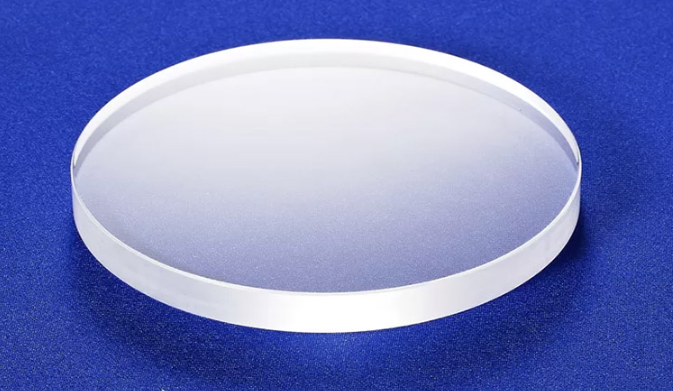
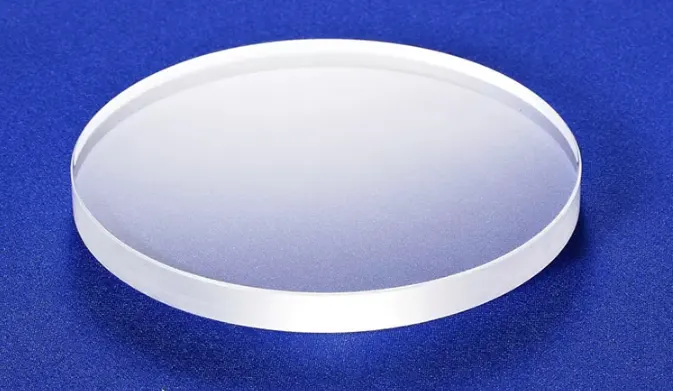
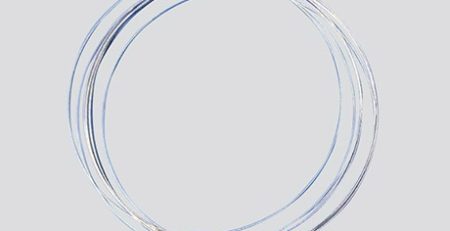
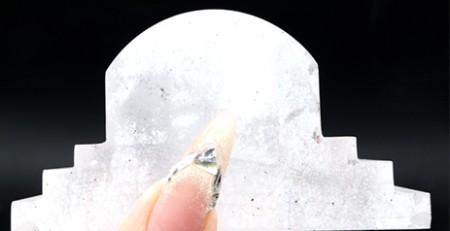
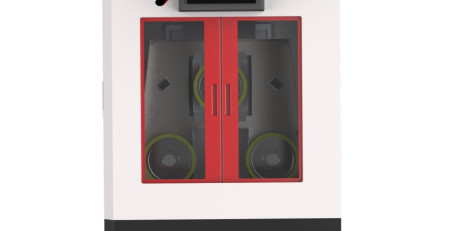
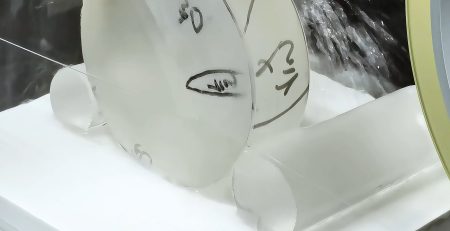
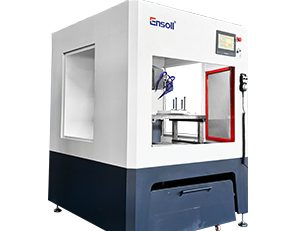
金刚石线环 切割技术已成为光学晶体加工的黄金标准, 为制造商提供前所未有的切割过程控制. 这项先进技术将金刚石磨料的精密性与基于线材的切割灵活性相结合,带来卓越效果. 与传统锯切方法不同, 金刚石线圈产生更干净的边缘, minimize material waste, and preserve the intrinsic properties of optical crystals.
The transition to diamond wire technology represents more than just an equipment upgrade – it’s a fundamental shift in how optical components are manufactured. By understanding and implementing best practices in diamond wire cutting, manufacturers can achieve superior product quality while optimizing production efficiency.
Crystal behaves like its glass counterpart under the wire, so the guidance on光学玻璃切割applies here too.
Section 1: Fundamental Advantages of Diamond Wire Cutting
1.1 Unmatched Material Preservation
The slender profile of diamond wire loops creates significantly narrower kerf widths compared to traditional blades. This characteristic proves particularly valuable when working with expensive optical-grade crystals, 每一微米的材料节约都能转化为成本节约. 典型的金刚石线切割产生的切缝仅有 100-200 微米, 从而实现更高效的材料利用率并提高每颗晶体锭的产量.
1.2 优越的表面完整性
光学应用要求表面完美,无微裂纹和亚表面损伤. 金刚石线切割在这方面表现优异,通过:
– 沿整条线均匀分配切削力
– 将局部应力集中降至最低
– 产生的表面粗糙度通常低于 1μm Ra
– 无需进行激进的后处理
1.3 热管理优势
金刚石线环的连续运动防止工件任何单一部位积热. 这种热稳定性对于保持温度敏感晶体的光学性能至关重要. Unlike pulsed cutting methods that create thermal cycling, diamond wire maintains a consistent temperature profile throughout the process, preventing alterations to crystal structure and refractive properties.
Section 2: Technology and Methodology
2.1 Diamond Wire Composition
Modern diamond wires for optical crystal cutting feature sophisticated designs optimized for specific materials:
– Core Wire: High-tensile steel or tungsten for durability