金刚石线环: 精密切割的革命
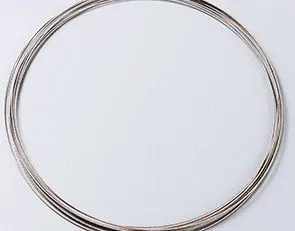
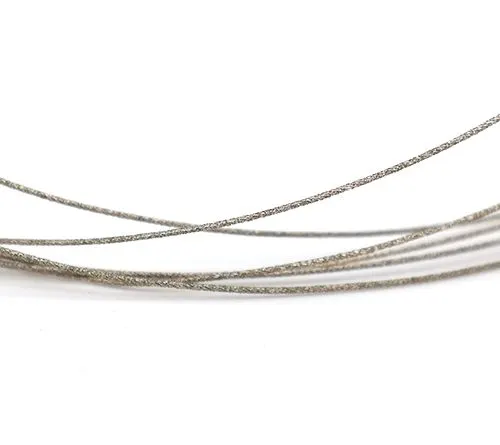
- A diamond wire loop is a continuous closed loop of steel wire coated with diamond abrasive, cutting in one direction at high speed.
- It outperforms blade and slurry sawing: 切缝更窄, better surface quality, and cooler water-based cutting.
- It has become the standard for slicing silicon, 蓝宝石, 陶瓷, and other hard-and-brittle materials.
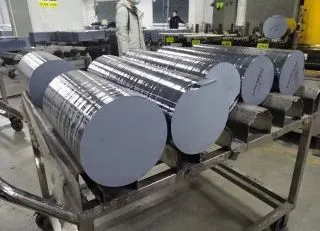
在精密制造领域, where every micron counts and material integrity is paramount, a revolutionary cutting technology has quietly transformed how we process some of the toughest and most valuable materials. Known interchangeably as Diamond Wire Loop, 金刚石绳锯, or Endless Diamond Wire Saw, this method is the unsung hero behind the flawless surfaces of semiconductor wafers, the intricate shapes of optical lenses, and the efficient slicing of advanced ceramics.
But what exactly is it, and why is it becoming the gold standard across industries from photovoltaics to aerospace? Let’s cut through the noise and explore the science and art of diamond wire loop cutting.
The Core Concept: A Loop of Cutting Perfection
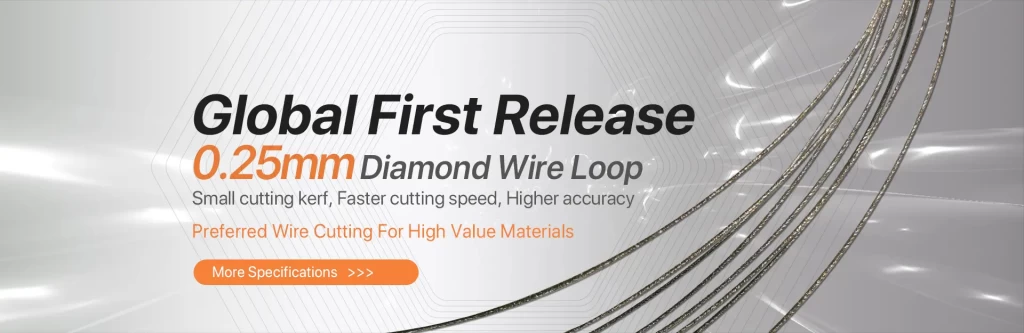
At its heart, the technology is elegantly simple. Imagine a single, continuous loop of high-tensile steel wire, its surface electroplated or sintered with a uniform layer of industrial diamond particles—the hardest natural material known. This “endless” wire is precisely guided over a series of precision pulleys, forming a high-speed, linear cutting band. The material to be cut is fed into this moving wire, often with a coolant (usually water-based) to reduce heat, remove debris, and prolong the wire’s life.
This is a fundamental shift from traditional methods like blade sawing (which causes vibration and chipping) or abrasive slurry sawing (which is messy and less precise). The diamond wire loop provides a continuous, direct, and controlled cutting action.
Why the Three Names? Clarifying the Terminology
While often used synonymously, the terms highlight different aspects:
- 金刚石绳锯: The broadest term, focusing on the tool (a saw that uses a diamond-coated wire).
- 金刚石线环: Describes the critical physical form—the wire is joined into a continuous, pre-tensioned loop, ready for mounting.
- 无限金刚石线锯: Emphasizes the key operational advantage—the loop is seamless, enabling uninterrupted, vibration-free cutting, unlike older systems that used spooled wire with splices.
基本上, it’s all the same groundbreaking technology: an endless loop of diamond-coated wire performing precision cuts. So whether you search for an “endless diamond wire saw” or a “diamond wire loop”, you are looking at the same technology—the difference lies in naming emphasis, not in the product itself.

The Unbeatable Advantages: Why It’s a Game-Changer
- 最小的割缝损失 & Unmatched Material Savings: The diamond-coated wire can be incredibly thin (down to 0.2mm or less). This creates an extremely narrow cut path (“kerf”), dramatically reducing material waste. For expensive substrates like silicon ingots, 蓝宝石, or advanced composites, this translates directly into massive cost savings and higher yield.
- Superior Surface Quality & Low Damage: 闭环系统的连续, smooth cutting motion generates minimal mechanical stress and heat-affected zones. The result is a cut surface that is remarkably smooth, often with a near-mirror finish, and free from micro-cracks or subsurface damage. This frequently eliminates or drastically reduces the need for subsequent polishing or lapping.
- Cool and Clean Cutting: The use of water-based coolants makes it a “cold” cutting process. This is crucial for temperature-sensitive materials. 此外, it contains the cutting debris within the coolant, creating a much cleaner and safer work environment compared to dry, dusty processes like grinding.
- Versatility Across the Hardness Spectrum: From the relative softness of graphite and certain metals to the extreme hardness of silicon carbide, 光学玻璃, 和陶瓷, the diamond wire loop handles them all. It is the universal solution for “hard and brittle” 材料. Hardness alone does not settle the method question, as the numbers on 碳化硅切割的方法 show.
- Precision and Flexibility: Modern CNC-controlled systems allow for exceptional cutting accuracy (±02mm 是常见的) 并且不仅可以实现直线切片,还可以对复杂形状进行轮廓切割, 所有这些都保持一致的质量. 我们的概述 金刚石绳锯切割机 比较了能够实现该精度的架构.
正在改变产业: 关键应用
- 半导体 & 光伏: 切片硅片, SiC, 以及具有超低应力的氮化镓晶片,以最大化芯片产量和性能. 这些市场中最大的工艺参数在我们的指南中有所列出 硅片切割.
- 光学 & 光子学: 将光学玻璃, 石英, 和晶体切割成镜片和棱镜,表面完好无损, 准备涂覆的表面. 脆性工程陶瓷的行为相同, 这就是为什么 切割氧化铝陶瓷 遵循相同的低力逻辑.
- 先进材料研究: 实验室中用于制备陶瓷样品的首选工具, 复合材料, 以及脆性金属以进行分析, 得益于其高精度和低损伤.
- 航空航天 & 汽车: 切割碳纤维增强聚合物 (CFRP公司) without delamination and shaping high-strength ceramics for components.
- Jewelry & Precision Engineering: Enabling the intricate and efficient cutting of hard gemstones, 技术陶瓷, and rare alloys with minimal loss.
展望未来: The Future of Cutting
As materials science advances, creating ever-harder and more complex composites, the demand for gentle yet precise machining will only grow. Diamond wire loop technology is continuo usly evolving, with developments in wire longevity, even finer diameters, and smarter, more adaptive control systems.
综上所述, whether you call it a Diamond Wire Loop, 锯, or Endless Saw, this technology represents a paradigm shift in precision cutting. It is the clean, sharp, and intelligent solution for a world built on increasingly sophisticated materials.
常见问题
What is a diamond wire loop?
A high-tensile steel wire joined into a closed loop and coated with diamond particles. Driven over precision pulleys at high speed, it acts as a continuous linear cutting band.
Diamond wire loop vs diamond wire saw vs endless diamond wire — what is the difference?
All three terms describe the same technology: “圈” emphasizes the closed physical form, “环式” the seamless one-way motion, 和 “锯” the cutting tool itself.
What materials can be cut with a diamond wire loop?
硅, 蓝宝石, 碳化硅, 光学玻璃, 石英, 陶瓷, 石墨, 磁性材料, 宝石, and thin-wall metals.
What are the main advantages over traditional sawing?
最小的切口损失, superior surface finish, low mechanical stress on the workpiece, clean water-based cooling, and CNC-controlled contour cutting capability.
Technical content reviewed by the Ensoll engineering team — a 金刚石线环 manufacturer with 10+ 多年生产经验.