Why Hard and Brittle Materials Chip During Cutting
介绍
Hard and brittle materials are essential in industries like electronics, 光学, 很多人可能从未听说过微动开关, 和医疗设备. 然而, 切割它们通常会导致碎裂, 裂缝, 和较差的边缘质量. 这份全面的指南探讨了什么是硬质和脆性材料, 它们的关键属性, 先进的切割技术, 以及如何实现清洁, 精确切割 – 特别适用于复杂形状.
If you’re looking for expert insights on minimizing material damage, 查看此 Facebook 讨论,专业人士分享他们的经验:
现在, let’s explore the details.
<img class="aligncenter size-large wp-image-2309" src="https://www.ensolltools.com/wp-content/uploads/sites/10/2025/05/1747123198357-1024×521.png" alt="金刚石线环” width=”1024″ height=”521″ />1. What Are Hard and Brittle Materials? (Definition & Types)
Hard and brittle materials have high hardness but low fracture toughness, meaning they resist scratching but crack easily under stress. These materials are crucial for high-precision applications requiring durability and wear resistance.
Common Types of Hard and Brittle Materials:
– 陶瓷 (氧化铝, Zirconia, 氮化硅) – Used in medical implants and cutting tools
– 玻璃 (Borosilicate, Quartz, Gorilla Glass) – Essential for displays, 镜头, and lab equipment
– Semiconductors (Silicon Wafers, 砷化镓) – Critical for electronics and solar cells
– Advanced Composites (Carbon Fiber, Ceramic Matrix Composites) – Used in aerospace and defense
– Ultra-Hard Materials (钻石, Tungsten Carbide) – Applied in industrial cutting and drilling
Each material requires specialized cutting techniques to prevent defects.
2.Key Properties of Hard and Brittle Materials
Understanding these characteristics helps in selecting the right machining approach:
– 高硬度 – Resistant to wear but difficult to cut with conventional tools
– Low Fracture Toughness – Prone to cracking under mechanical stress
– Thermal Sensitivity – Sudden temperature changes can induce micro-cracks
– Anisotropic Behavior – Strength varies depending on the cutting direction
These properties make traditional machining methods (例如, sawing, drilling) ineffective, often leading to edge chipping.
3. Cutting Methods for Hard and Brittle Materials
To achieve clean cuts, manufacturers use advanced techniques:
3.1激光切割
优点: 高精度, minimal mechanical stress
缺点: Heat-affected zones may cause micro-fractures in sensitive materials
3.2Ultrasonic Machining (USM)
Uses high-frequency vibrations with abrasive slurry
Ideal for intricate shapes in glass and ceramics
A diamond-coated wire ensures smooth, low-stress cuts
Reduces chipping compared to traditional saws
3.4水射流切割
High-pressure water mixed with abrasives cuts without heat
Suitable for thick materials but may leave a rough edge
3.5Precision Grinding with Diamond Tools
Diamond abrasives provide superior surface finish
Best for final finishing operations
Choosing the right method depends on material type, thickness, and required precision.
4. How to Achieve Complex Cuts in Hard and Brittle Materials
Many industries demand intricate shapes, such as smartphone camera cutouts or microfluidic channels in lab-on-a-chip devices. Here’s how to achieve them without chipping:
4.1Optimized Tool Path Strategies
Slow, controlled feed rates reduce sudden stress
CAD/CAM software ensures efficient cutting paths
4.2Laser Pre-Weakening
Creating micro-grooves before cutting minimizes crack propagation
4.3Advanced Cooling Systems
Prevents thermal shock and tool wear
4.4Specialized Cutting Machines
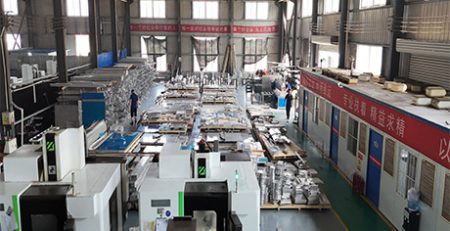
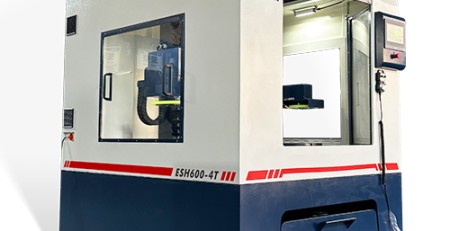
For complex shapes, Ensoll’s advanced cutting systems provide exceptional precision. Their machines use diamond tooling and vibration control to minimize edge damage.
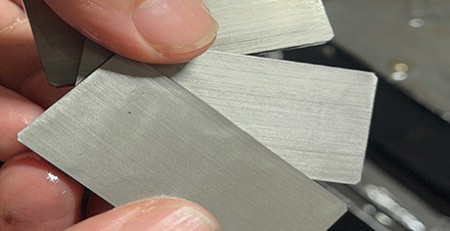
个案研究: Watch this complex shape cutting demonstration to see how Ensoll achieves flawless results in hard materials:
结论
Cutting hard and brittle materials without chipping requires a deep understanding of material properties and advanced machining techniques. Whether you’re working with ceramics, 玻璃, or semiconductors, choosing the right method is crucial.
For high-precision cutting solutions, explore Ensoll’s cutting-diamond wire saw tools:
Have you faced challenges with hard material cutting? Share your thoughts or join the conversation on Facebook.