Découpe de cellules solaires DIY avec la machine ESV-3S
- Compact single-axis diamond wire loop machines such as the ESV-3S bring solar cell cutting within reach of labs and DIY users.
- Successful DIY cell cutting depends on safety, proper fixturing, correct wire tension and coolant — not on industrial-scale equipment.
- Diamond wire loop gives home and lab users clean, low-breakage cuts on fragile solar cells.
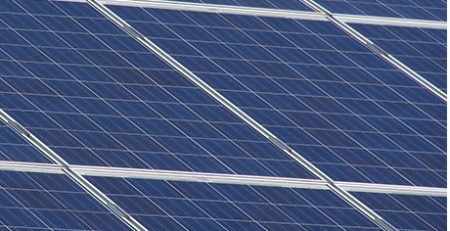
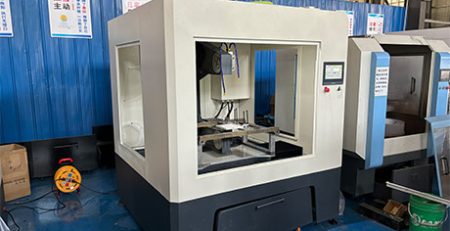
The growing interest in solar energy has sparked curiosity about DIY solar projects, including the precise cutting of solar cells. While industrial cutting requires massive equipment, technological advancements have made small-scale coupe de boucle de fil diamanté accessible to enthusiasts. Le ESV-3S-Single Axis Diamond Wire Loop Cutting Machine stands out as a portable, user-friendly solution for DIYers seeking professional-grade results. This guide explores how to safely and efficiently cut solar cells at home using this innovative tool.
The ESV-3S sits in the desktop diamond wire cutter class — small enough for a bench, accurate enough for cell-level work.
 Why Cut Solar Cells at Home?
DIY solar cell cutting opens opportunities for:
– Custom-sized panels for unique projects (Par ex., portable chargers, small-scale installations).
– Repairing or repurposing damaged cells.
– Educational experiments to understand photovoltaic technology.
Toutefois, traditional methods like glass cutters or saws often cause micro-cracks and waste material. The ESV-3S machine solves these issues with precision and ease.
Introducing the ESV-3S-Single Axis Diamond Wire Loop Cutting Machine
Key Features for DIYers
- Compact and Portable
– Ideal for home workshops or small studios.
- Coupe de précision
– Utilizes a diamond-coated wire loop for clean, smooth edges.
– Kerf width as narrow as 100 µm, minimizing material loss.
- User-Friendly Design
– Simple controls
– Compatible with monocrystalline, polycrystalline, and thin-film cells.
- Caractéristiques de sécurité
– Enclosed cutting area to prevent accidents.
– Low-power operation suitable for home use.
- Affordability
– Priced significantly lower than industrial machines, making it accessible for hobbyists.
Step-by-Step DIY Cutting Process with the ESV-3S
1. La sécurité avant tout
– Wear protective gear: safety glasses and gloves.
– Work in a well-ventilated area to avoid inhaling silicon dust.
- Prepare the Solar Cell
– Mark cutting lines using a non-permanent marker.
– Secure the cell to the machine’s platform with adhesive clamps to prevent vibration.
3. Set Up the Machine
– Install la boucle de fil diamant and adjust tension
– Set the cutting speed based on material thickness:
– Thin-film cells (CIGS/a-Si)
– Monocrystalline/polycrystalline cells
4. Begin Cutting
– Activate the coolant system (distilled water) to reduce friction.
– Start the machine and guide the wire along the marked lines.
– Let the tool do the work—avoid applying pressure.
5. Post-Cutting Steps
– Clean the cell with isopropyl alcohol to remove debris.
– Inspect edges under a magnifying glass for micro-cracks.
Advantages of the ESV-3S for DIY Projects
- Professional Results at Home
– Achieve factory-level precision with minimal practice.
– Smooth edges ensure optimal light absorption and efficiency.
- Minimal Waste
– Narrow kerf width preserves expensive solar material.
– Ideal for repurposing broken or outdated cells.
- Versatilité
– Cut cells into custom shapes (Par ex., triangles for artistic installations).
– Compatible with various thicknesses (100–300 µm).
- Cost-Effective
– Avoid outsourcing costs for custom cuts.
– One-time investment for unlimited projects.
DIY Applications and Creative Ideas
- Custom Solar Panels
– Create small panels for garden lights, phone chargers, or RV roofs.
- Repair and Recycling
– Salvage functional sections from cracked cells.
- Educational Projects
– Demonstrate photovoltaic principles in classrooms.
- Art et Design
– Incorporate solar cells into mosaics or sculptures.
Limitations and Safety Considerations
– Not for Industrial Volumes: The ESV-3S is designed for low-throughput projects.
– Material Constraints: Avoid cutting glass-backed or laminated cells without modifications.
– Practice First: Test on damaged cells before working with expensive materials.
Conclusion: Empowering DIY Innovation
The ESV-3S-Single Axis Diamond Wire Loop Cutting Machine democratizes solar cell cutting, enabling enthusiasts to achieve precision results without industrial resources. Whether for practical projects or creative experiments, this tool combines safety, affordability, and professionalism in a compact design.
As solar technology evolves, DIY capabilities will play a crucial role in fostering innovation and sustainability. With the ESV-3S, anyone can contribute to the renewable energy revolution—one carefully
Questions fréquemment posées
Can you cut solar cells at home?
Oui, with a compact diamond wire loop cutting machine such as the ESV-3S, provided you follow safety procedures, fixture the cell correctly and use coolant.
What machine can cut solar cells at lab or DIY scale?
Single-axis diamond wire loop cutters like the ESV-3S are designed for small-batch and laboratory cutting of solar cells and similar brittle materials.
Why use diamond wire instead of scribing for DIY solar cells?
Diamond wire cutting is far less skill-dependent, produces cleaner edges and dramatically lowers the risk of breaking fragile cells.
Contenu technique examiné par l'équipe d'ingénierie d'Ensoll — un fabricant de boucles de fil diamanté avec 10+ des années d'expérience en production.