Precision ZnSe Cutting: The Diamond Loop Wire Advantage
- Zinc selenide (ZnSe) is a soft, brittle infrared optical crystal that cracks easily under conventional machining.
- Diamond loop wire cuts ZnSe with low force and water cooling, avoiding thermal and mechanical damage. The closed-loop form is what separates a boucle de fil de diamant from a spooled saw.
- The process delivers smooth surfaces on ZnSe lenses and windows with minimal chipping.
In the demanding world of infrared optics, laser components, and high-power CO₂ laser systems, Zinc Selenide (ZnSe) stands as a critical material. Prized for its exceptional transmission properties in the mid to far-infrared spectrum and its durability as a laser window or lens, ZnSe enables technologies from thermal imaging to industrial laser cutting. Toutefois, for engineers and manufacturers, ce matériau inestimable présente un paradoxe formidable: il est relativement doux mais notoirement fragile. Cette combinaison rend l'usinage et, en particulier, la découpe de précision du ZnSe l'un des défis les plus importants dans la fabrication photonique.
Les méthodes de coupe traditionnelles conduisent souvent à une cascade de problèmes de qualité: Ébréchures de bord inacceptables, Micro-fissures latentes qui compromettent l'intégrité structurelle, et rugosité de surface incohérente. Ces défauts ne sont pas seulement esthétiques; ils peuvent gravement dégrader la performance optique, introduire des pertes par diffusion, créer des points de contrainte qui entraînent une défaillance sous charge thermique ou mécanique, et réduire drastiquement le rendement et la rentabilité de la production.
Ce blog approfondit la science derrière ces défis et explore une solution transformatrice: Découpe au fil diamanté avec intelligence, multi-segment speed control. Nous examinerons pourquoi le ZnSe est si difficile à couper, comment les méthodes conventionnelles sont insuffisantes, et pourquoi la cinématique avancée d'un dispositif continu, à vibration minimisée scie à fil diamanté, guidé par des algorithmes de vitesse adaptative, représente une avancée pour obtenir des coupes de haute qualité, fiables pour ce matériau délicat.
Le Conundrum du ZnSe: La douceur rencontre la fragilité
Pour comprendre le défi de la coupe, il faut d'abord comprendre les propriétés matérielles du ZnSe. Contrairement aux métaux ductiles qui se déforment et cèdent, les matériaux fragiles comme le ZnSe, le germanium, et le silicium ont une structure cristalline qui absorbe l'énergie de manière élastique jusqu'à un certain point, puis cède de manière catastrophique par propagation de fissures.
- Douceur (Faible dureté Knoop): Le ZnSe est suffisamment tendre pour être rayé. Lors de la coupe mécanique, cette douceur entraîne du sillonage, des déchirures, et une augmentation de la friction, qui génère de la chaleur et entraîne souvent une mauvaise finition de surface si l'outil ou la méthode n'est pas précisément adapté.
- Fragilité extrême (Faible ténacité à la rupture): C'est le cœur du problème. La fragilité signifie que le ZnSe a une capacité très limitée à absorber de l'énergie par déformation plastique. Toute concentration de contrainte — par impact de l'outil, vibration, ou force inégale — dépasse la ténacité à la rupture du matériau, initiant des micro-fissures. Ces fissures se propagent ensuite rapidement à travers la structure cristalline, menant à l'ébréchure ou à la rupture complète.
Les modes de défaillance principaux lors de la découpe de ZnSe de mauvaise qualité sont des résultats directs de ce conflit de propriétés:
- Écaillage des bords: C'est le défaut le plus visible. Il se produit au point où l'outil de coupe entre ou sort du matériau, ou aux points de forte concentration de contrainte. A chip isn’t just a missing piece; cela crée un chemin de lumière irrégulier, peut être une source de fissures supplémentaires, et nécessite souvent un polissage supplémentaire coûteux pour rectifier, ajoutant des étapes de processus sans valeur ajoutée.
- Micro-fissures en sous-surface: Souvent invisibles à l'œil nu, ce sont les “tueurs cachés” des composants optiques. Induites par un stress mécanique ou thermique excessif lors de la coupe, les micro-fissures affaiblissent structurellement le composant. Sous la densité de puissance élevée d'un laser ou lors de cycles thermiques, ces fissures peuvent se propager, entraîner une défaillance catastrophique sur le terrain. Elles agissent comme des centres de diffusion de la lumière, réduisant l'efficacité de transmission.
- Variabilité de la rugosité de surface: Une coupe incohérente laisse une surface avec des degrés de rugosité variables. Pour un élément optique, cette variabilité provoque une diffusion non uniforme et une distorsion du front d'onde. Atteindre un résultat prévisible, fine surface finish directly from the cutting process is essential for reducing subsequent polishing time and cost. Transparent substrates set the same requirement, and the numbers are listed under découpe optique du verre.
The Shortcomings of Conventional Cutting Methods
Manufacturers have historically grappled with several methods, each with significant trade-offs when applied to ZnSe:
- Abrasive Grinding/Sawing: Using diamond-impregnated blades or grinding wheels generates substantial mechanical force and heat. The aggressive contact often causes massive chipping and introduces deep subsurface damage layers, requiring extensive post-processing. The blade-versus-wire version of that trade-off is quantified in our guide to Découpe de céramiques en alumine.
- Ultrasonic Machining: While useful for shaping, cela peut être lent pour les découpes complètes et peut encore provoquer des micro-fractures autour de la périphérie de l'outil en raison de l'action percussive.
- Découpe laser: Bien qu'il s'agisse d'une méthode sans contact, la chaleur locale intense d'un laser peut créer une zone affectée par la chaleur (HAZ). Pour ZnSe, cela peut entraîner des couches refondues, des changements stœchiométriques, la fissuration due au stress thermique, et même la vaporisation du sélénium, modifiant les propriétés optiques du matériau au bord. Nous avons comparé directement les deux méthodes dans notre analyse de découpe au laser contre scie à fil diamantée.
- Scies à fil alternatives (Par ex., utilisant un fil de piano avec une boue abrasive): Cela a été une méthode courante. Toutefois, le mouvement de va-et-vient du fil crée une vibration inhérente et permet la flexion du fil. L'inversion répétée à la fin de chaque course introduit une charge d'impact, which is a primary trigger for entry and exit chipping in brittle materials. Slurry management is also messy and can lead to inconsistent cutting rates Un boucle de fil de diamant removes the reversal entirely by cutting in one direction. (lien 2 de 2)
It was clear that a paradigm shift was needed—a method that minimized dynamic instability, applied force consistently, and could intelligently adapt to the most critical phases of the cut.
The Diamond Loop Wire Cutting Revolution: A System-Based Solution
The Diamond Loop Wire Cutting system transcends being merely a new tool; it is an integrated system designed from the ground up to address the fundamental physics of brittle material failure. Its advantages are systemic:
1. The Continuous, Joint-Free Diamond Loop Wire:
Imagine replacing a reciprocating saw blade with a perfectly continuous, bague continue. Le fil imprégné de diamant dans ce système est exactement cela : une boucle fermée. Cette unique caractéristique élimine les micro-chocs et les pics de vibration inhérents aux systèmes à mouvement alternatif lorsque le fil change de direction. L'absence de joints ou de points de connexion assure une abrasion de coupe parfaitement uniforme et une répartition des diamants le long de toute la longueur du fil, conduisant à une stabilité exceptionnelle. Le fil fonctionne sur des rouleaux guidés précisément en saphir ou en diamant, maintenant une tension constante et une trajectoire de coupe véritable, ce qui est vital pour obtenir une rectitude et minimiser la perte de trait.
2. Le génie du contrôle de vitesse multi-segment:
Ceci est le véritable “cerveau” du système. Reconnaissant que le stress de coupe n'est pas uniforme à travers l'épaisseur du matériau, the system’s software allows for programmable speed profiles. This is a critical advancement for managing brittle fracture:
Entry Phase (Low Speed): As the wire first contacts the pristine edge of the ZnSe workpiece, it is most vulnerable to spalling and crack initiation. The system is programmed to engage at a reduced speed. This low-speed entry minimizes the initial mechanical and thermal shock, allowing the diamond grit to begin cutting cleanly without overwhelming the material’s fracture toughness.
Steady-State Phase (High Speed): Once the cut is fully established and the wire is engaged along its full diameter within the kerf, the system intelligently ramps up to an optimized high speed. This maximizes cutting efficiency and throughput through the bulk of the material without sacrificing quality, as the cutting process is now stabilized.
Exit Phase (Low Speed): The moment before breakthrough is another critical point of failure. As the supporting material behind the cutting front diminishes, the unsupported edge becomes fragile again. The system dynamically reduces the speed once more just before exit. This gentle finish prevents the wire from “plucking out” a final chunk of material, which is the primary cause of exit-side chipping.
This intelligent, three-stage speed management directly targets and mitigates the root causes of chipping at both surfaces.
3. Constant Wire Tension & Coolant Integration:
The system maintains ultra-stable wire tension via servo-controlled mechanisms. Any slack or variation in tension would translate directly into waviness or chatter marks on the cut surface. En outre, a precisely filtered coolant is delivered directly to the cutting zone. This serves a dual purpose: it efficiently removes debris (copeaux) from the kerf to prevent recutting and drag, and it provides critical thermal management, dissipating the minimal frictional heat generated to ensure a truly cool-cutting process that leaves the material’s properties unchanged.
Quantifiable Benefits for Photonics Manufacturing
Adopting a Diamond Loop Wire System with multi-segment control translates into direct, measurable operational and product advantages:
- Dramatically Reduced Edge Chipping: Chipping can be reduced to sub-10 micron levels, often making the as-cut edge suitable for final application with minimal or no edge preparation. This directly boosts yield.
- Elimination of Subsurface Damage: The cool, stable, le processus à faible vibration minimise l'apparition de micro-fissures. Cela se traduit par des composants avec une résistance intrinsèque plus élevée, une durée de vie plus longue, et des seuils de dommage laser supérieurs — une mesure critique pour les applications haute puissance.
- Excellence & Finition de surface répétable: Rugosité de surface (Ra) des valeurs meilleures que 0.5 µm sont constamment réalisables directement à partir de la découpe. Cette répétabilité réduit la dépendance aux compétences de l'opérateur et garantit que chaque lot respecte les spécifications. Les substrats plus durs atteignent une répétabilité similaire, c'est pourquoi la coupe du carbure de silicium a évolué de la même manière.
- Économie de matériau et liberté de conception: La minceur, de la largeur de coupe constante du fil diamanté (souvent comparable à un cheveu humain) minimise le gaspillage de matériau — un facteur crucial lors de l'utilisation de substrats coûteux comme le ZnSe. Elle permet également la découpe précise de formes complexes, delicate shapes that were previously considered too risky or impossible. Kerf economics are even tighter at production scale, as our la découpe de plaquettes de silicium guide shows.
- Streamlined Production Flow: By delivering a near-net-shape part with excellent edge and surface quality, the system drastically reduces or even eliminates costly and time-consuming secondary processes like rough grinding and extensive edge chamfering. This shortens lead times and lowers total cost of ownership.
Conclusion: A New Standard for Precision
The cutting of brittle infrared materials like Zinc Selenide is no longer an art reliant on trial, error, and extensive rework. With the advent of Diamond Loop Wire Cutting systems equipped with adaptive multi-segment speed control**, it has become a precise, repeatable, and predictable engineering science.
Cette technologie attaque directement les modes de défaillance des matériaux fragiles en remplaçant les chocs et les vibrations par la stabilité et le contrôle intelligent. Pour les fabricants d'optiques infrarouges, laser components, et de dispositifs à semi-conducteurs avancés, elle représente plus qu'une simple mise à niveau de l'équipement — c'est un investissement stratégique dans des rendements plus élevés, une fiabilité de produit supérieure, et la capacité de repousser les limites de la conception optique. Dans la quête de coupes parfaites, le fil continu, intelligent a établi une nouvelle norme.
Questions fréquemment posées
À quoi sert le ZnSe?
Le séléniure de zinc est un matériau optique infrarouge utilisé pour les lentilles de laser CO2, les fenêtres IR, et les optiques d'imagerie thermique grâce à sa large transparence dans l'infrarouge.
Pourquoi le ZnSe est-il difficile à couper?
Il est doux mais fragile et sensible à la fois au stress mécanique et à la chaleur, so conventional sawing and laser cutting easily cause cracks, les éclats, and thermal damage.
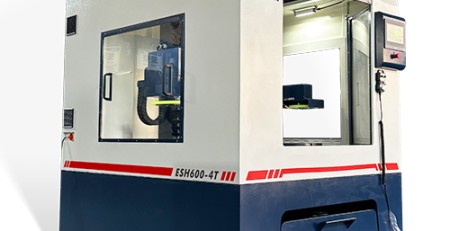
Shops specifying equipment for optical crystals can compare architectures in our machine de découpe de scie à fil diamanté aperçu.
How does diamond loop wire cutting help with ZnSe?
The continuous diamond-coated loop cuts with very low, uniform force under water cooling, producing smooth surfaces with minimal chipping and no heat-affected zone.
Can ZnSe be machined dry?
Dry machining risks overheating and micro-cracking; water-cooled diamond wire cutting is strongly preferred for dimensional parts.
Continuous coolant delivery is standard on the machine de découpe de verre optique range for exactly this reason.
Contenu technique examiné par l'équipe d'ingénierie d'Ensoll — un fabricant de boucles de fil diamanté avec 10+ des années d'expérience en production.