Sega a filo rivestita di diamante: Guida al taglio di precisione
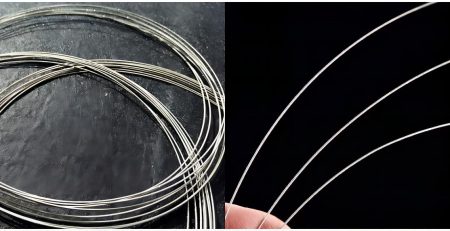
- Una sega a filo rivestita di diamante è un filo sottile rivestito con particelle di diamante industriale che macina attraverso materiali duri anziché lacerarli o tagliarli a strappo; typical wire diameters range from 0.26 mm to 3.0 mm on a high-tensile steel core.
- Each embedded diamond particle acts as an independent cutting point, generating micro-fractures that remove material through brittle fracture propagation and controlled abrasion, keeping vibration and heat low.
- Key applications: stone and marble, glass and ceramics, gemstone and jade processing, wafer per semiconduttori e substrati in ceramica, e lavori di gioielleria e lapidaria.
- Vantaggi rispetto ai metodi convenzionali: la lama stretta conserva materiale costoso, ridotta generazione di calore, funzionamento fluido a bassa vibrazione, la capacità di seguire percorsi di taglio curvi, e tagli puliti che necessitano di poca finitura.
- Il taglio a umido prolunga la vita del filo e mantiene pulita la zona di taglio, mentre il taglio a secco è adatto a materiali sensibili all'acqua come turchese o opale al costo di una vita più breve del filo; leggero, una pressione uniforme e una corretta conservazione prevengono la rottura del filo.
Quando si tratta di tagliare materiali duri e fragili come la pietra, vetro, ceramica, e le gemme, gli strumenti di taglio tradizionali spesso non bastano. Generano calore eccessivo, causano scheggiature, o sprecano materiale prezioso. Il sega a filo rivestita di diamante risolve questi problemi offrendo un filo flessibile, efficiente, e precisa.
Questa guida spiega tutto ciò che c'è da sapere sulle seghe a filo rivestite di diamante, come funzionano, le loro applicazioni, e perché superano i metodi di taglio convenzionali per materiali esigenti.
Cos'è una sega a filo rivestita di diamante?
Una sega a filo rivestita di diamante è esattamente ciò che il suo nome suggerisce: un filo sottile che è stato rivestito con particelle di diamante industriale. Il rivestimento di diamante funge da mezzo di taglio, macinando materiali duri piuttosto che strappandoli o tagliandoli a cesoia.
Il filo tipicamente varia tra 0.26 mm e 3.0 mm, consentendo agli operatori di scegliere lo spessore giusto per le loro specifiche esigenze di taglio. Un nucleo in acciaio ad alta resistenza conferisce al filo la sua forza, mentre il design flessibile permette di tagliare lungo curve e forme intricate.
Questo anello continuo di filo si muove costantemente in una direzione, creando un'azione di macinazione liscia e costante. Poiché il diamante è il materiale più duro conosciuto, i fili rivestiti di diamante possono tagliare praticamente qualsiasi materiale che sia più morbido del diamante stesso.
Come funzionano le seghe a filo rivestite di diamante
Il meccanismo di taglio si basa sul principio della rettifica abrasiva. Ogni particella di diamante incorporata nel rivestimento del filo funziona come un punto di taglio indipendente. Man mano che il filo si muove sulla superficie del pezzo, queste particelle di diamante generano micro-fratture nella superficie del materiale, rimuovendo gradualmente materiale tramite una combinazione di propagazione della frattura fragile e abrasione controllata.
Il filo si monta su una macchina con pulegge che mantengono la tensione corretta e regolano la velocità di movimento. Il sistema può operare in modalità di taglio a secco o a umido, anche se il refrigerante è spesso usato per gestire la temperatura e rimuovere i detriti di taglio dalla zona di lavoro.
Questa azione continua di rettifica mantiene le vibrazioni basse e la generazione di calore minima rispetto alle lame tradizionali. Per materiali delicati come giada o cristallo, Questo approccio delicato aiuta a prevenire crepe e danni superficiali.
Applicazioni in diversi settori
Taglio di Pietra e Marmo
Le seghe a filo rivestite di diamante eccellono nel taglio di pietre naturali e ingegnerizzate. Gestiscono il taglio delle lastre, la sagomatura dei blocchi, e lavori di design intricati in marmo, granito, e calcare. Il percorso di taglio stretto crea superfici lisce riducendo lo spreco di materiale.
Vetro e Ceramica
Per materiali in vetro e ceramica, il taglio con filo diamantato produce bordi puliti con minima scheggiatura. L'azione di taglio a bassa vibrazione previene la propagazione delle fratture, rendendo lo strumento adatto a pannelli di vetro di precisione e componenti ceramici speciali.
Lavorazione di Gemme e Giada
Questa è una delle applicazioni più preziose per la tecnologia del filo rivestito in diamante. Giada, giadeite, agata, e il quarzo presenta sfide di taglio a causa della sua durezza e della tendenza a creparsi. Diamond wire saws cut these materials with high surface quality and minimal material loss.
Traditional jade cutting methods often produce rough surfaces and require extensive finishing work. Diamond wire cutting significantly reduces secondary finishing needs while preserving more of the valuable material through the process.
Semiconductor and Electronics
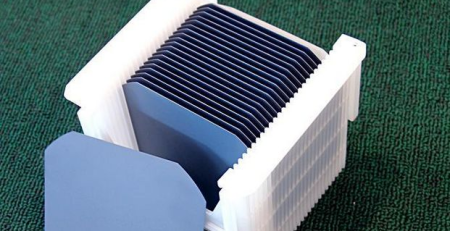
In high-tech manufacturing, diamond coated wires cut wafer di silicio, substrati ceramici, and other electronic materials that require exceptional precision. The fine wire diameter allows extremely thin cuts that preserve expensive semiconductor materials.
Jewelry Making and Lapidary Work
For jewelers and hobbyists, diamond coated wire saws enable detailed cutting of precious metals and gemstones. The ability to cut curves and intricate shapes opens design possibilities not achievable with standard blades.
Vantaggi Rispetto ai Metodi di Taglio Convenzionali
Conservazione del Materiale
Il diametro sottile del filo produce una scanalatura stretta, il che significa che meno materiale viene trasformato in segatura durante il taglio. Per materiali costosi come le gemme o le wafer di semiconduttori, questa differenza rappresenta un significativo risparmio sui costi nel tempo.
Riduzione della Generazione di Calore
L'azione di abrasione distribuisce il calore da attrito su molte particelle di diamante, mantenendo freschi i singoli punti di contatto. Le lame tradizionali concentrano le forze di taglio, creando zone colpite dal calore che possono danneggiare materiali sensibili.
Funzionamento Regolare
Il design a loop continuo evita i problemi di vibrazione comuni nelle seghe alternative. Gli operatori sperimentano meno affaticamento durante sessioni di taglio prolungate, e i pezzi in lavorazione subiscono meno stress meccanico.
Percorsi di Taglio Versatili
A differenza delle lame rigide che tagliano solo in linea retta, i fili flessibili rivestiti di diamante possono seguire percorsi curvi. Questo rende lo strumento adatto a tagliare forme e schemi irregolari che altrimenti richiederebbero più passaggi con attrezzature convenzionali.
Tagli netti
L'azione di molatura produce superfici di taglio che spesso richiedono poco o nessun lavoro di finitura. Ciò elimina i passaggi di lavorazione successivi, risparmiando tempo e riducendo i costi della manodopera.
Guida alla selezione del diametro del filo
Applicazioni diverse richiedono diametri del filo diversi:
- Piccolo diametro (0.26–5 mm): Ideale per lavori di precisione su pietre preziose, gioielleria, piccoli cristalli, e sezioni sottili dove la perdita di materiale deve essere assolutamente minimizzata.
- Diametro medio (0.6–0 mm): Adatto per lavori generali di lapidaria, taglio del vetro, ceramica, e pezzi di pietra più piccoli. Questi fili bilanciano velocità di taglio con conservazione del materiale.
Taglio a umido o a secco
Le seghe a filo rivestito di diamante possono operare in entrambe le modalità, ognuna con vantaggi distinti.
Il taglio a umido utilizza acqua o refrigerante per raffreddare il filo e rimuovere le taglie. Questo metodo prolunga la vita del filo e produce tagli più puliti mantenendo la zona di taglio libera da detriti. Molte applicazioni industriali utilizzano il taglio a umido per risultati costanti.
Il taglio a secco elimina la necessità di movimentazione e pulizia dei fluidi. Per workshop che si occupano dell'impatto ambientale o per lavorare con materiali sensibili all'acqua come turchese o opale, Il taglio a secco è l'opzione preferita. Il compromesso è una potenziale vita del filo più breve dovuta all'accumulo di calore.
Manutenzione delle seghe a filo rivestite con diamante
Manutenzione adeguata prolunga la durata degli utensili e garantisce una qualità di taglio costante. Tieni a mente queste pratiche:
Applica una pressione leggera, Applicazione di pressione uniforme durante il taglio. Forza eccessiva può rompere il filo o danneggiare particelle di diamante. Lascia che sia il filo a fare il lavoro.
Segui le linee guida del produttore per la tensione del filo, velocità, e il raffreddamento. Materiali diversi richiedono parametri operativi diversi.
Conserva correttamente i fili quando non sono in uso. Evita di piegare o piegare il filo, che può creare punti deboli che si rompono durante il funzionamento.
Usa l'attrezzatura di sicurezza appropriata. La protezione degli occhi protegge dai detriti volanti, e i guanti proteggono le mani quando si maneggia il filo durante l'installazione.
Conclusione
La sega a filo rivestita di diamante si è guadagnata il suo posto come strumento essenziale per tagliare materiali duri, fragili, e preziosi. Che tu lavori nella lavorazione della pietra, nel trattamento delle gemme, nella produzione di semiconduttori, o nella creazione di gioielli, questa tecnologia offre risultati che i metodi di taglio tradizionali non possono eguagliare.
Dal suo design a loop flessibile alla sua delicata azione di smerigliatura, every aspect of the diamond coated wire saw serves the goal of preserving material while achieving clean, precisi. As industries continue to demand higher precision and better material utilization, the diamond coated wire saw will remain a cornerstone technology for years to come.
Domande Frequenti
What is a diamond coated wire saw?
It is a thin wire coated with industrial diamond particles, where the diamond coating acts as the cutting medium and grinds through hard materials rather than tearing or shearing them. Il filo tipicamente varia tra 0.26 mm e 3.0 mm, with a high-tensile steel core for strength and a flexible design that permits cutting along curves and intricate shapes.
How does a diamond coated wire saw work?
It works by abrasive grinding: each diamond particle embedded in the wire coating functions as an independent cutting point, generando micro-fratture sulla superficie del materiale mentre il filo si muove sul pezzo da lavorare. Il filo è montato su pulegge che mantengono tensione e velocità, e il sistema può funzionare in modalità bagnata o asciutta, con il refrigerante spesso utilizzato per gestire la temperatura e rimuovere i detriti.
Quali materiali può tagliare una sega a filo rivestita di diamante?
Poiché il diamante è il materiale più duro conosciuto, il filo può tagliare praticamente tutto ciò che è più morbido del diamante: pietre naturali e ingegnerizzate come il marmo, granito e calcare; glass and ceramics; pietre preziose tra cui giada, giadeite, agate e quarzo; wafer di silicio e substrati ceramici in elettronica; e metalli preziosi e gemme nella lavorazione di gioielli.
Come scelgo il diametro del filo corretto?
Abbinare il diametro al lavoro. I diametri piccoli a partire da 0.26 mm sono ideali per lavori di precisione su gemme, gioielleria, piccoli cristalli e sezioni sottili dove la perdita di materiale deve essere assolutamente minimizzata. Medium diameters around 0.6 mm e oltre adatti a lavori lapidari generali, taglio del vetro, ceramiche e pezzi di pietra più piccoli, bilanciare la velocità di taglio con la conservazione dei materiali.
Dovrei tagliare a umido o a secco con una sega a filo diamantato?
Il taglio a umido utilizza acqua o refrigerante per raffreddare il filo e rimuovere le taglie, prolungare la vita del filo e produrre tagli più puliti; la maggior parte delle applicazioni industriali lo usa. Il taglio a secco elimina la gestione dei fluidi ed è preferito per materiali sensibili all'acqua come turchese o opale, ma l'accumulo di calore può accorciare la vita del filo.
Revisionato dal team di ingegneria Ensoll.