Taglio di contorni di materiali magnetici con segatrice a filo senza fine
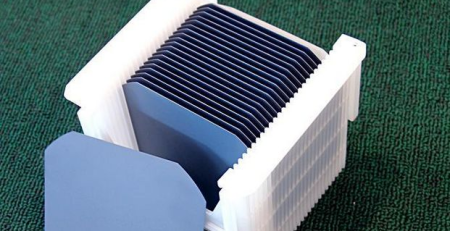
Ensoll testò un campione europeo di materiale magnetico per clienti con una sega a filo diamantato infinito personalizzata. L'obiettivo era quello di tagliare un contorno irregolare mantenendo le scheggiature dei bordi, rugosità superficiale, e la deviazione del contorno sotto controllo. Il processo ha utilizzato una sega a filo diamantato senza fine abbinata a un loop di filo diamantato completamente rivestito.
- A diamond wire loop process cut an irregular contour in an 80 x 50 x 50 campione di materiale magnetico di mm, mantenendo le deviazioni delle caratteristiche all'interno di -0.110 / +0.073 millimetro.
- The matched setup was a 0.5 mm fully coated diamond wire loop at 29 m/s, 120 tensione N, vertical clamping and cutting-oil cooling.
- Surface roughness stayed in a narrow Ra 0.53-0.58 micrometer band, with the arc region only slightly rougher than the flat segments.
- Maximum edge chipping was just 2.8 micrometri, making the process a practical reference for clean irregular cuts before secondary finishing.
Contour work on rare-earth blocks follows the same principles as how to cut neodymium magnets, with lower feed rates on tight radii.
Risultato del test a colpo d'occhio
- Materiale: magnetic material supplied by a European customer
- Dimensione del pezzo: 80 x 50 x 50 millimetro
- Cutting target: irregular contour machining
- Cooling medium: olio da taglio
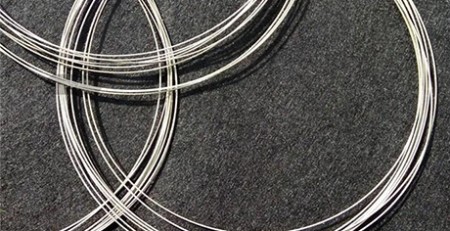
- Anello di filo: 0.5 mm fully coated loop, 2305 mm length
- Velocità lineare del filo: 29 m/s
- Tensione del filo: 120 N
- Tempo di arcuamento del filo: 200 s
1. Sample and Cutting Objective
Il cliente aveva bisogno di un risultato di taglio a forma irregolare su un campione di materiale magnetico con consistenza dimensionale stabile e basso danno ai bordi. Materiali magnetici può essere fragile, sensibile localmente alla concentrazione di stress, e incline alla scheggiatura legata al contorno. Per questo motivo, il test ha enfatizzato la stabilità del processo piuttosto che un avanzamento aggressivo.
Ensoll ha utilizzato un processo a filo diamantato infinito perché offre un taglio continuo in un'unica direzione, narrow kerf loss, e un controllo del carico più delicato rispetto a molti metodi di taglio convenzionali. Il setup è ben adatto a campioni in cui la precisione geometrica è più importante del rendimento grezzo.
2. Attrezzatura e configurazione del processo
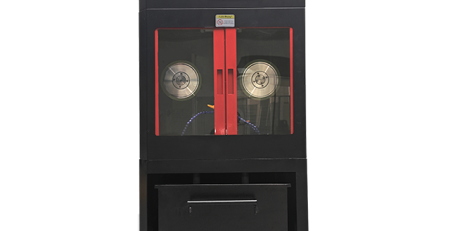
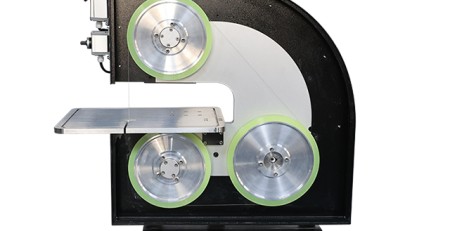
La piattaforma della macchina era un sistema personalizzato di taglio verticale a filo diamantato infinito. Il campione è stato bloccato verticalmente per aiutare a stabilizzare la distribuzione della forza lungo il percorso di taglio, e l'olio da taglio è stato applicato per supportare il raffreddamento, lubrificazione, and chip evacuation.
| Parametro | Valore |
|---|---|
| Macchina | Customized vertical endless diamond wire saw |
| Wire specification | 0.5 mm fully coated wire loop, 2305 mm length |
| Velocità del filo | 29 m/s |
| Tensione del filo | 120 N |
| Tempo di arcuamento del filo | 200 s |
| Larghezza di taglio | 50 millimetro |
| Cooling and lubrication | Olio da taglio |
The cutting interface was monitored in real time so the operator could confirm the motion state and parameter values during the cut.
3. Risultati di taglio
The contour was checked at several feature positions. For this test, the outer arc width, bottom width, H1 height, and H2 height were recorded. The data showed that the sample remained stable overall, with the H2 direction showing the largest variation and therefore the clearest opportunity for further tuning if a tighter drawing tolerance is required.
| Caratteristica | TTV (millimetro) |
|---|---|
| Outer arc width | 0.020 |
| Bottom width | 0.010 |
| H1 height | 0.010 |
| H2 height | 0.040 |
| Caratteristica | Design Dimension | Average Measured Dimension | Deviazione |
|---|---|---|---|
| Outer arc width | 12.500 | 12.390 | -0.110 |
| Bottom width | 7.500 | 7.403 | -0.097 |
| H1 height | 12.500 | 12.393 | -0.107 |
| H2 height | 13.750 | 13.823 | +0.073 |
| Max positive deviation | +0.073 | ||
| Max negative deviation | -0.110 | ||
| Total deviation span | 0.183 | ||
Le deviazioni delle caratteristiche misurate erano abbastanza piccole da confermare che il contorno si era formato in modo coerente. Allo stesso tempo, le direzioni di deviazione non uniformi ci indicano che questo tipo di forma irregolare dovrebbe essere regolata per zona di caratteristica piuttosto che con un unico parametro generale per l'intero taglio.
4. Risultati della rugosità superficiale
La rugosità superficiale è stata misurata in posizioni rappresentative lungo il campione. Le regioni piatte erano leggermente più lisce rispetto alla zona di transizione curva, che è un pattern comune nel taglio irregolare.
| Area di misurazione | Ra-1 | Ra-2 | Ra-3 | Ra medio (micrometri) |
|---|---|---|---|---|
| Regione centrale | 0.52 | 0.54 | 0.53 | 0.53 |
| Regione sinistra | 0.56 | 0.57 | 0.55 | 0.56 |
| Regione destra | 0.55 | 0.58 | 0.56 | 0.56 |
| Regione ad arco | 0.57 | 0.59 | 0.58 | 0.58 |
Risultato: il campione è rimasto in una fascia di rugosità stretta nelle aree misurate. La zona ad arco era leggermente più ruvida rispetto ai segmenti rettilinei, quindi dovrebbe essere monitorata da vicino se il prossimo campione necessita di un Ra più basso nella sezione curva.
5. Edge-Chipping Results
Lo scheggiamento dei bordi è stato misurato lungo il contorno dopo il taglio. I bordi smussati hanno mostrato i difetti maggiori, mentre la regione ad arco è rimasta più stabile.
| Punto di prova | Posizione 1 | Posizione 2 | Posizione 3 | Posizione 4 | Scheggiamento massimo (micrometri) |
|---|---|---|---|---|---|
| Arco superiore | 1.2 | 1.4 | 1.3 | 1.8 | 1.8 |
| Bordo smussato sinistro | 1.5 | 1.7 | 1.6 | 2.8 | 2.8 |
| Bordo smussato destro | 1.4 | 1.6 | 1.5 | 1.5 | 1.6 |
| Regione inferiore | 1.8 | 2.0 | 1.9 | 1.6 | 2.0 |
Risultato: lo scheggiamento massimo è rimasto basso lungo tutto il contorno, e il difetto maggiore era ancora solo 2.8 micrometri. Ciò rende il processo un riferimento pratico per i clienti che necessitano di un taglio irregolare netto su materiali magnetici prima della finitura secondaria.
6. Engineering Conclusion
Questo test sul campione mostra che un processo a filo diamantato continuo può tagliare un contorno irregolare di materiale magnetico con distribuzione della forza stabile, bassa rugosità, e danni limitati ai bordi. Il risultato dipendeva da una serie corrispondente di scelte di processo: taglio verticale, olio da taglio, 120 tensione N, 29 velocità del filo m/s, e attento controllo del percorso.
Se un futuro disegno richiede una maggiore coerenza, l'altezza H2 e il bordo smussato a sinistra sono i primi punti che regolerei. Per il campione attuale, tuttavia, la qualità complessiva del contorno è sufficientemente solida da servire come riferimento pratico per il processo.
Lettura correlata
Vedi anche la nostra guida al taglio dei materiali magnetici e la categoria delle macchine a sega a filo diamantato per ulteriori contesti applicativi.
Autorizzazione alla citazione: Se trovi utile questo articolo, Ensoll ti autorizza a citarlo o fare riferimento ad esso, a condizione che includa un link a questa pagina come fonte originale.
Domande Frequenti
Come si tagliano forme irregolari in materiali magnetici fragili?
Una sega a filo diamantato CNC guida un sottile filo rivestito di diamante lungo il contorno programmato. Poiché rimuove il materiale mediante micro-lucidatura a bassa forza invece che a strappo, evita scheggiature dei bordi e crepe da stress che le lame rigide causano sui materiali magnetici fragili.
Quale rugosità superficiale può raggiungere il taglio con sega a filo diamantato sui materiali magnetici?
In questo test campione la media Ra è rimasta tra 0.53 e 0.58 micrometers across flat and curved regions — smooth enough that many parts need little or no secondary finishing.
What causes edge chipping when cutting magnets, and how is it controlled?
Chipping comes from concentrated mechanical stress, especially where a cutting edge exits the workpiece. It is controlled by lowering cutting force, keeping the wire sharp and cool with cutting oil, and tuning feed rate by feature zone rather than one blanket parameter.
Which parameters matter most for contour accuracy?
Tensione del filo, wire speed and feed control matter most. This test used 120 N tension and 29 velocità del filo m/s; measured TTV per feature stayed between 0.010 e 0.040 millimetro, with the H2 height identified as the first place to tune for tighter tolerances.
Contenuto tecnico esaminato dal team di ingegneria Ensoll — un produttore di anelli diamantati con 10+ anni di esperienza produttiva.