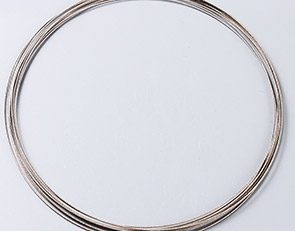
Le seghe per cavi metallici sono strumenti versatili ampiamente utilizzati per il taglio di vari tipi di metalli. Sono comunemente impiegati in settori come l'edilizia, impianto idraulico, e automobilistico per attività come il taglio di tubi, Aste, e altri oggetti metallici. Questo articolo mira a fornire una guida completa per la selezione della sega a cavo appropriata per lavorazione dei metalli scopi.
Ultima revisione: Settembre 2026
Punti Chiave
Le seghe a cavo per metallo si presentano principalmente in due forme: endless diamond wire loops (anello chiuso, una direzione) e filo lungo avvolto — il tipo senza fine è adatto per lavori di precisione e di sagomatura.
La selezione si riduce a quattro variabili: durezza del materiale, spessore della sezione, finitura superficiale richiesta, e volume di produzione.
Diametro del filo, La dimensione della grana e la fornitura di refrigerante influenzano la qualità del taglio più della potenza del motore.
1.Tipi di seghe a cavo
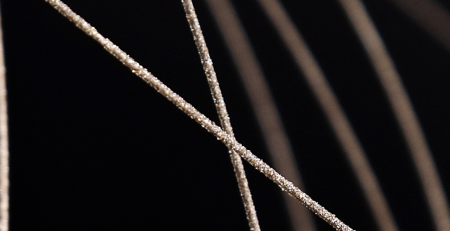
1.1Sega a filo diamantato senza fine:Il sega a filo diamantato senza fine è uno strumento da taglio che utilizza un filo diamantato a ciclo continuo per il taglio di precisione di vari materiali, inclusi i metalli, pietre, e compositi. Questa innovativa tecnologia di taglio offre numerosi vantaggi ed è diventata sempre più popolare in settori come l'edilizia, estrazione dati, e produzione. In questo articolo, esamineremo le caratteristiche, i vantaggi, e le applicazioni della sega a filo diamantato senza fine.
1.2 Sega a cavo industriale: Industrial cable saws are robust tools designed for heavy-duty metal cutting applications. They typically have a high-powered motor and a reinforced cable. Industrial cable saws are capable of cutting through thick metal pipes, Aste, and bars. They offer precision and speed, making them suitable for professional use.
1.3 Manual Cable Saw: Manual cable saws are handheld tools that require physical effort to operate. They are lightweight and portable, making them ideal for small-scale metal cutting tasks. Manual cable saws are commonly used for plumbing, DIY projects, and emergency situations.
1.4 Carbide Grit Cable Saw: The carbide grit cable saw features abrasive particles or carbide grit embedded into the cutting surface. This type of cable saw is suitable for cutting softer metals such as aluminum, rame, and brass. Le seghe a cavo con graniglia di carburo offrono una soluzione economica per applicazioni di taglio dei metalli meno impegnative.
2.Differenze tra sega a filo diamantato continuo e sega a cavo metallico
Utilizza un anello continuo di filo rivestito di diamante.
Eccellente prestazione di taglio e durata.
Adatta per tagliare metalli duri come acciaio e acciaio inossidabile.
Scelta preferita per applicazioni professionali.
Costo più elevato rispetto alle seghe a cavo metallico.
Sega a cavo metallico:
Può presentare particelle abrasive o graniglia di carburo.
Adatta per tagliare metalli più morbidi.
Fornisce una soluzione economica per applicazioni meno impegnative.
Prestazioni di taglio e durata inferiori rispetto alle seghe a filo diamantato continuo.
Generalmente più economica delle seghe a filo diamantato continuo.
3.Selezionare una sega a cavo per il taglio dei metalli
Quando si sceglie una sega a cavo per tagliare i metalli, considerare i seguenti fattori:
3.1Tipo di Metallo: Determina il tipo di metallo che andrai a tagliare. Se lavori principalmente con metalli duri come l'acciaio, è consigliata una sega a filo diamantato senza fine. Per i metalli più morbidi, una sega a cavo metallico o una sega a cavo con graniglia di carburo sarà sufficiente.
Vediamo i tipi e le differenze tra metalli duri e metalli morbidi
Metalli Duri:Metalli duri, noti anche come leghe dure o metalli ad alta resistenza, sono caratterizzati dalle loro eccellenti proprietà meccaniche, compresa l'elevata durezza, forza, e resistenza all'usura. Questi metalli hanno una struttura cristallina e sono tipicamente composti da una combinazione di elementi, come ferro, cromo, tungsteno, cobalto, e nichel. Esempi di metalli duri includono acciaio, acciaio inossidabile, titanio, e carburo di tungsteno.
Metalli Morbidi:Metalli morbidi, noti anche come metalli a bassa resistenza o metalli malleabili, possiedono una durezza inferiore, forza, and wear resistance compared to hard metals. These metals have a more ductile and pliable nature, allowing them to be easily shaped, bent, or stretched. Examples of soft metals include aluminum, rame, lead, and tin.
3.2Cutting Requirements:Evaluate the precision and quality of cuts you need. Endless diamond wire saws offer superior cutting performance and are suitable for applications that require high precision. For less critical tasks, a metal cable saw or carbide grit cable saw can provide satisfactory results.
3.3Budget:Consider your budget constraints. Endless diamond wire saws are generally more expensive than metal cable saws. Determine the level of performance and durability you require and allocate your budget accordingly.
3.4Application Frequency:If you frequently engage in metal cutting tasks or have professional requirements, investire in una sega a filo di alta qualità è consigliato. Per uso occasionale o fai-da-te, un'opzione più economica può essere sufficiente.
3.5Caratteristiche di sicurezza:Assicurarsi che la sega a filo selezionata abbia caratteristiche di sicurezza appropriate come una presa sicura, coperture protettive, e un meccanismo di blocco affidabile.
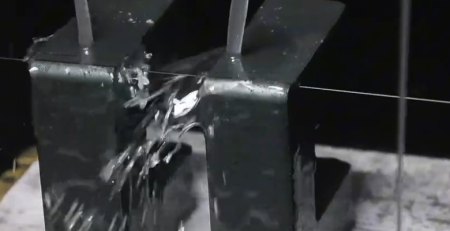
Dimostrazione di taglio con sega a filo diamantata senza fine
Conclusione:
Selezionare la sega a filo giusta per tagliare il metallo è essenziale per ottenere risultati efficienti e precisi. Considerare il tipo di metallo, i requisiti di taglio, il budget, la frequenza di utilizzo, e le caratteristiche di sicurezza al momento della scelta. Le seghe a filo diamantato senza fine sono ideali per il taglio di metalli duri, mentre le seghe a filo per metallo o le seghe a filo con graniglia di carburo offrono soluzioni più economiche per metalli più morbidi. Capendo le differenze e considerando i fattori sopra indicati, puoi scegliere con sicurezza la sega a cavo più adatta alle tue esigenze di taglio dei metalli.
A cosa serve una sega a cavo nella lavorazione dei metalli?
Taglio di tubi, barre, profili e sezioni irregolari — in particolare lavori a pareti sottili dove una lama si bloccherebbe o deformerebbe il pezzo.
Qual è la differenza tra una sega a cavo e una sega a filo diamantato?
“Sega a cavo” descrive il formato dell'utensile: un cavo flessibile che porta materiale abrasivo. Una sega a filo diamantato è quel cavo ricoperto o con perline di diamante. In pratica i due termini si sovrappongono molto.
Come scelgo la sega a cavo giusta per i metalli?
Abbina diametro del filo e grana alla durezza del materiale e allo spessore della sezione, poi verifica l'intervallo di tensionamento della macchina e la distribuzione del refrigerante. La potenza è la meno importante dei quattro.
Una sega a cavo può tagliare acciaio temprato?
Sì, ma aspettati velocità di avanzamento più lente e vita del filo più breve. La graniglia grossa più abbondante refrigerante è la configurazione usuale per materiale indurito.
Contenuto tecnico esaminato dal team di ingegneria Ensoll — un produttore di anelli diamantati con 10+ anni di esperienza produttiva.
Nel sofisticato mondo della fabbricazione di semiconduttori, il viaggio da un lingotto di silicio grezzo a un circuito integrato ad alte prestazioni è... leggi di più
Nel mondo della produzione avanzata, il taglio di precisione dei materiali magnetici rappresenta uno dei processi più impegnativi ma anche più cruciali.... leggi di più
Introduzione alle soluzioni avanzate per il taglio del vetro
Nell'odierno panorama esigente della produzione ottica, taglio con sega a filo diamantato è emerso come l'oro.... leggi di più
Il panorama globale della produzione in 2026 è definito da un paradosso: i materiali stanno diventando contemporaneamente più resistenti, più leggeri, e più... leggi di più
Il filo diamantato a loop la macchina da taglio adotta il metodo di movimento a circolazione chiusa con filo diamantato, in modo che il diamante... leggi di più
Sega a filo diamantato la tecnologia utilizza fili rivestiti di diamante per un taglio preciso ed efficiente dei materiali. La sua importanza risiede nel... leggi di più



 Vediamo i tipi e le differenze tra metalli duri e metalli morbidi