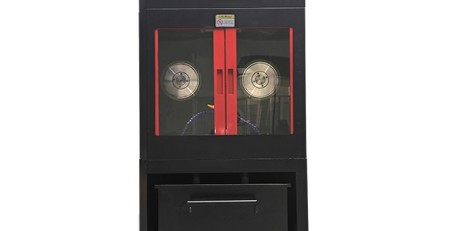
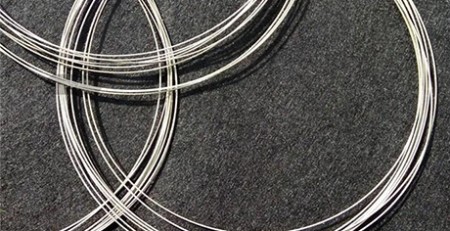
Nel mondo della produzione avanzata, il taglio di precisione dei materiali magnetici rappresenta uno dei processi più impegnativi ma anche cruciali. dai motori di veicoli elettrici ai dispositivi medici in miniatura, la domanda di componenti magnetici perfettamente tagliati continua a crescere esponenzialmente. i metodi di taglio tradizionali spesso non soddisfano i requisiti rigorosi delle applicazioni moderne, portando i produttori a cercare soluzioni più avanzate.anello di filo diamantato la tecnologia di taglio è emersa come standard d'oro per la lavorazione duri, materiali magnetici fragili come NdFeB (neodimio ferro boro) Magneti, offrendo precisione e qualità senza pari.
Punti Chiave
magneti sinterizzati come NdFeB (circa 600 HV) sono estremamente duri e fragili; il taglio abrasivo causa microcrepe, scheggiatura dei bordi e demagnetizzazione localizzata.
il taglio a anello di filo diamantato è un processo freddo che mantiene il pezzo sotto 50 °C, con un taglio piccolo come 0.3 mm e rugosità superficiale sotto Ra 0.7 micrometri.
Tagliare un magnete a metà produce due magneti completi — il vero rischio è il calore e le vibrazioni al taglio, che il processo con il filo evita.
I magneti tagliati con precisione servono per motori di trazione EV, generatori eolici, dispositivi medici, robot industriali ed elettronica di consumo.
Questa guida completa esplora il rivoluzionario anello di filo diamantato processo di taglio, le sue applicazioni in vari settori, e affronta domande comuni sulla lavorazione dei materiali magnetici. Che tu sia un ingegnere alla ricerca di soluzioni di produzione migliori o semplicemente curioso della tecnologia dei magneti, questo articolo offre informazioni preziose su questo processo all'avanguardia.
Per NdFeB in particolare, le impostazioni degli utensili e del refrigerante nella nostra guida a how to cut neodymium magnets sono quelle da cui consigliamo di partire.
La Sfida di Tagliare Magneti ad Alte Prestazioni
NdFeB magnets represent the pinnacle of permanent magnet technology, offering the highest magnetic energy product of any commercially available material. Tuttavia, these exceptional magnetic properties come with significant processing challenges. The material’s extreme hardness (circa 600 HV) and inherent brittleness make it particularly difficult to cut using conventional methods.
Traditional cutting approaches, such as abrasive cutting or grinding, often cause microcracks, scheggiature del bordo, and thermal damage that can compromise the magnet’s performance. The heat generated during these processes can locally demagnetize the material, while mechanical stress may introduce structural weaknesses that lead to failure in application. Queste limitazioni diventano particolarmente problematiche quando si devono tagliare grandi blocchi in strisce precise o forme complesse per applicazioni tecnologiche avanzate.
anello di filo diamantato Taglio: La Soluzione Superiore
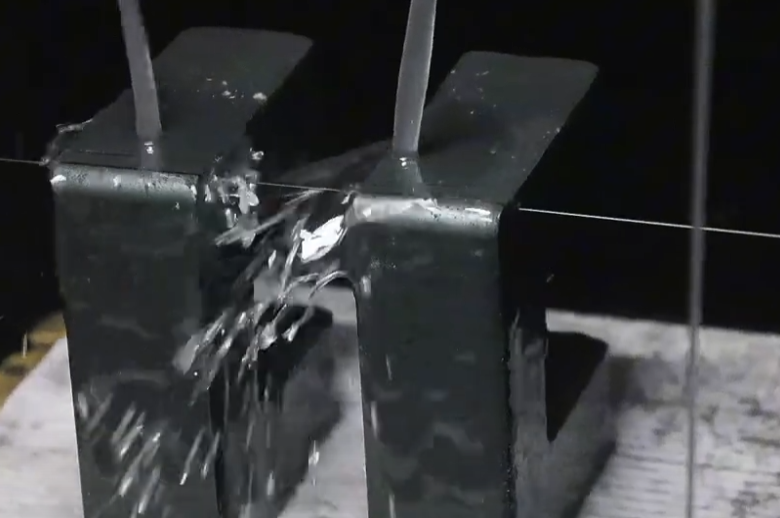
La tecnologia di taglio con filo a diamante a loop ha rivoluzionato la lavorazione dei materiali magnetici affrontando le limitazioni dei metodi tradizionali. Questa tecnica avanzata utilizza un filo sottile incorporato con particelle di diamante, che scorre continuamente attraverso il pezzo mantenendo un controllo preciso della tensione e della velocità. Il processo opera a basse temperature, eliminando i danni termici, mentre il diametro fine del filo minimizza la perdita di materiale e consente tagli intricati.
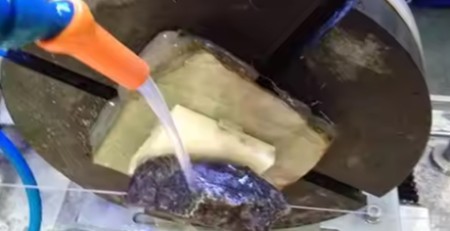
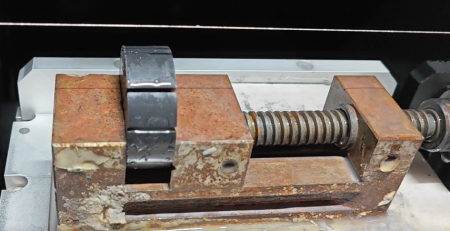
Il processo di taglio inizia con il serraggio sicuro del materiale magnetico tramite attrezzature specializzate che ne impediscono il movimento evitando al contempo stress eccessivo che potrebbe causare crepe. Il filo diamantato a loopthen moves through the workpiece at controlled speeds, typically between 10-60 meters per minute, depending on the material thickness and desired finish quality. Coolant systems maintain optimal temperature throughout the process, ensuring consistent results and extending wire life.
How Do You Cut a Magnet? Understanding the Process
Many people wonder about the practical aspects of magnet cutting, particularly when working with advanced materials like NdFeB. The answer depends significantly on the magnet type and the required precision:
For flexible rubber-bonded magnets, craft cutters or specialized blades may suffice for simple shapes. Tuttavia, for sintered NdFeB, SmCo, or ferrite magnets, industrial-grade solutions are essential. The diamond wire loop cutting process involves several critical steps:
Primo, il blocco magnetico deve essere montato in modo sicuro utilizzando dispositivi specializzati che forniscono un supporto adeguato senza indurre stress. Il percorso di taglio viene quindi programmato nel sistema CNC, tenendo conto delle proprietà specifiche del materiale e delle dimensioni desiderate. Durante il taglio, il filo rivestito di diamante si muove attraverso il materiale, con le particelle abrasive che consumano gradualmente il materiale magnetico attraverso un'azione precisa di micro-lucidatura.
L'intero processo è monitorato da sensori sofisticati che mantengono la tensione ottimale del filo, velocità di taglio, e il flusso di raffreddamento. Questo livello di controllo garantisce risultati costanti anche durante la lavorazione dei materiali magnetici più duri, produzione di bordi che richiedono una minima lavorazione post-taglio.
Cosa succede se si taglia un magnete a barra a metà?
Questa domanda comune rivela importanti informazioni sui materiali magnetici. Quando si taglia a metà un magnete permanente, ogni pezzo diventa un magnete completo con i propri poli nord e sud. Questo accade perché i domini magnetici all'interno del materiale si riorganizzano spontaneamente per formare nuovi circuiti magnetici completi.
Tuttavia, Il processo di taglio stesso può influenzare le prestazioni magnetiche. I metodi tradizionali che generano calore o vibrazioni possono parzialmente smagnetizzare il materiale vicino alla superficie tagliata. Qui entra in gioco la superiorità del taglio con filo diamantato – mantenendo basse temperature e minimizzando lo stress meccanico, preserva le proprietà magnetiche originali in tutto il materiale.
Modo migliore per tagliare le lamine magnetiche: La precisione è importante
Quando si lavorano le lamine magnetiche, particularly the thin gauges used in electronics and precision instruments, the cutting method becomes even more critical. I metodi convenzionali di taglio meccanico spesso causano delaminazione, bave, o deformazione dei bordi che può rendere i componenti inutilizzabili.
anello di filo diamantatociclo il taglio eccelle con lamiere magnetiche perché:
– Produce bordi netti senza bave o deformazioni
– Previene la delaminazione dei materiali stratificati
– Elimina l'influenza termica sui materiali sensibili
– Permette forme complesse con tolleranze ridotte
Per lamiere magnetiche flessibili, i tagliatori specializzati con controllo preciso della profondità possono essere efficaci per forme semplici. Tuttavia, per materiali magnetici duri o geometrie complesse, il taglio con filo diamantato rimane l'unico metodo che garantisce risultati costanti, di alta qualità.
Applicazioni in diversi settori
La precisione ottenuta attraverso il taglio a filo diamantato a loop consente applicazioni in numerose industrie ad alta tecnologia:
Motori per veicoli a nuova energia
I veicoli elettrici moderni si basano su magneti NdFeB tagliati con precisione per i loro motori di trazione. L'efficienza e la densità di potenza di questi motori dipendono direttamente dalla precisione dei componenti magnetici. Il taglio a filo diamantato a loop assicura una geometria perfetta per prestazioni ottimali del circuito magnetico, contribuendo a maggiore autonomia e maggiore efficienza.
Produzione di energia eolica
Le grandi turbine eoliche utilizzano quantità significative di materiale magnetico nei loro generatori. La capacità di tagliare grandi blocchi magnetici in segmenti dalla forma precisa consente progettazioni di generatori più efficienti che catturano maggiori quantità di energia dalle risorse eoliche.
Dispositivi medici di precisione
Dalle macchine per risonanza magnetica agli strumenti chirurgici miniaturizzati, la tecnologia medica richiede i più alti livelli di precisione e affidabilità. I magneti tagliati a diamante garantiscono prestazioni costanti in applicazioni critiche dove il fallimento non è un'opzione.
Robot industriali
I sistemi robotici utilizzano magneti in sensori, motori, e sistemi di posizionamento. La precisione offerta dal taglio con filo diamantato consente la miniaturizzazione e il miglioramento delle prestazioni necessari per l'automazione avanzata.
Elettronica di consumo
Smartphone, cuffie, e altri dispositivi portatili incorporano numerosi piccoli magneti per varie funzioni. La tendenza alla miniaturizzazione nell'elettronica di consumo richiede metodi di taglio in grado di produrre componenti piccoli, precisi, senza compromettere le prestazioni magnetiche.
Il vantaggio tecnico: Perché anello di filo diamantatociclo Il taglio supera
Diversi fattori chiave rendono il taglio con filo diamantato il metodo preferito per la lavorazione precisa dei magneti:
Superiore qualità della superficie
Il processo raggiunge tipicamente valori di rugosità superficiale di Ra <0.7μm, significativamente migliore rispetto al Ra 3-5μm tipico dei metodi di taglio abrasivo. Questa finitura liscia riduce al minimo la necessità di lavorazioni secondarie e garantisce prestazioni magnetiche ottimali.
Minima perdita di materiale
Con larghezze di taglio di soli 0,3 mm, il taglio con filo diamantato ad anello massimizza l'utilizzo del materiale. Questo è particolarmente importante quando si lavora con materiali costosi a base di terre rare come NdFeB, dove ogni millimetro di materiale risparmiato si traduce in significativi risparmi sui costi.
Integrità termica
Mantenendo le temperature al di sotto di 50°C durante tutto il processo, il taglio con filo diamantato ad anello preserva le proprietà magnetiche del materiale. Questo è cruciale per applicazioni in cui è essenziale una prestazione magnetica consistente.
Flessibilità geometrica
Il filo sottile, flessibile può navigare contorni e forme complesse che sarebbero impossibili con strumenti di taglio rigidi. Questa capacità consente la produzione di forme magnetiche specializzate per applicazioni personalizzate.
Sviluppi futuri nella lavorazione dei materiali magnetici
Mentre la tecnologia continua ad avanzare, diverse tendenze stanno plasmando il futuro della lavorazione dei materiali magnetici:
Automazione aumentata
I sistemi futuri presenteranno capacità di automazione migliorate, riducendo l'intervento dell'operatore e migliorando ulteriormente la coerenza. I sistemi automatizzati di carico e scarico permetteranno la produzione senza sorveglianza per applicazioni ad alto volume.
Sistemi di monitoraggio migliorati
La tecnologia avanzata dei sensori fornirà il monitoraggio in tempo reale del processo di taglio, consentendo regolazioni immediate per ottimizzare qualità ed efficienza. Gli algoritmi di apprendimento automatico utilizzeranno questi dati per migliorare continuamente i parametri del processo.
Sostenibilità migliorata
New cooling systems and wire designs will reduce environmental impact while maintaining performance. Water recycling systems and longer-lasting cutting wires will make the proce
Domande Frequenti
How do you cut a magnet without demagnetizing it?
Use a cold, low-stress process. Diamond wire loop cutting keeps the cut zone below 50 degC with continuous coolant and removes material by micro-grinding, so neither heat nor mechanical shock can demagnetize the material near the cut surface.
What happens if you cut a bar magnet in half?
Each piece becomes a complete magnet with its own north and south poles, perché i domini magnetici si riorganizzano in nuovi circuiti chiusi. Il pericolo pratico non è il modello dei poli ma il calore e le vibrazioni derivanti dal metodo di taglio, che possono parzialmente smagnetizzare il materiale vicino al taglio.
Qual è il modo migliore per tagliare le lamiere magnetiche?
Per lamiere flessibili legate con gomma, i cutter di precisione artigianali funzionano per forme semplici. Per materiali magnetici duri o geometrie complesse, Il taglio con filo diamantato a loop è l'opzione affidabile — bordi puliti senza bave, delaminazione o effetti termici.
Perché il filo diamantato a loop è migliore del taglio abrasivo per i magneti?
Taglia a freddo (inferiori a 50 °C), raggiunge Ra sotto 0.7 micrometri contro Ra 3-5 per i metodi abrasivi, spreca molto meno materiale costoso di terre rare con il suo 0.3 Taglio mm, e può seguire contorni complessi che gli strumenti rigidi non possono.
Contenuto tecnico esaminato dal team di ingegneria Ensoll — un produttore di anelli diamantati con 10+ anni di esperienza produttiva.
Punti chiave
Il taglio laser è senza contatto e veloce, ma la sua zona colpita dal calore può creare micro-crepe che riducono l'efficienza delle celle solari.
Filo diamantato... leggi di più
Quando si considera l'influenza del fluido di taglio sulla qualità del taglio di anelli di filo diamantato, diversi fattori entrano in gioco... leggi di più
Nel mondo della scienza dei materiali, il vetro è spesso stereotipato come fragile, delicato, e sensibile. Sebbene questo possa essere vero... leggi di più
Con il rapido sviluppo dell'energia pulita, Anche l'obiettivo della grid parity per la produzione di energia fotovoltaica è imminente. Mentre... leggi di più
Punti chiave
La tecnologia del bordo senza scheggiature utilizza anelli di filo diamantato ultra-sottile per minimizzare lo stress meccanico, produzione di bordi lisci senza schegge, più alto... leggi di più
Uno studio completo sulla sagomatura di precisione di barre di silicio φ330 mm utilizzando la macchina da taglio a filo diamantato Ensoll ESC600-4T. Copre... leggi di più
Gli zaffiri sono fatti di ossido di alluminio (Al2O3) con elementi in traccia che creano i loro colori. Scopri come l'anello di filo diamantato consente un taglio preciso,... leggi di più
Anello di filo diamantato è emersa come la soluzione di taglio preferita per materiali duri, friabili come i nuclei di ferrite, magneti Alnico,... leggi di più




 L'intero processo è monitorato da sensori sofisticati che mantengono la tensione ottimale del filo, velocità di taglio, e il flusso di raffreddamento. Questo livello di controllo garantisce risultati costanti anche durante la lavorazione dei materiali magnetici più duri, produzione di bordi che richiedono una minima lavorazione post-taglio.