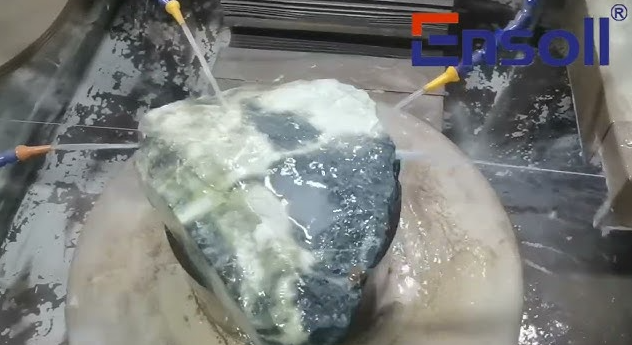
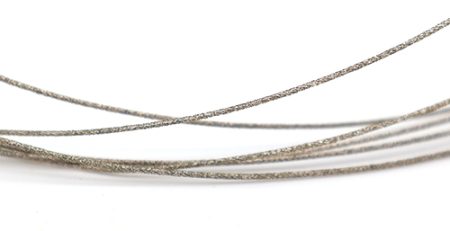
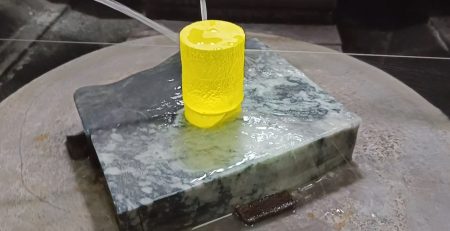
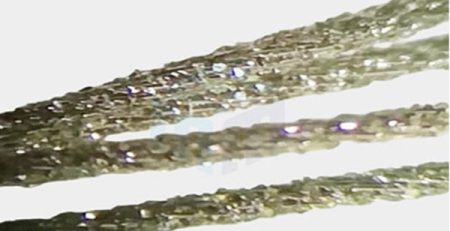
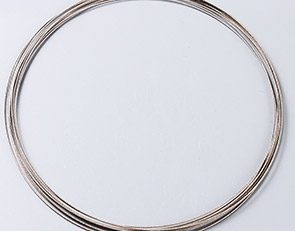
Quando si considera l'influenza del fluido di taglio sulla qualità del taglio di anelli di filo diamantato, Diversi fattori entrano in gioco. La scelta del fluido da taglio può influire in modo significativo sull'efficienza e l'efficacia del processo di taglio. Ecco alcuni aspetti da considerare:
Il concetto di fluido da taglio:
Fluidi da taglio, Noto anche come oli da taglio o fluidi refrigeranti, sono disponibili in forme a base di olio e a base d'acqua, Serve a molteplici scopi come la pulizia, lubrificante, e raffreddamento durante il processo di lavorazione. These fluids are crucial in maintaining the efficiency and quality of the cutting operation.
How to use cutting fluid:
During machining, cutting fluids are typically circulated to ensure consistent application and effectiveness. Col tempo, as the cutting fluid is used, it accumulates contaminants and loses its effectiveness. It becomes necessary to replace the cutting fluid periodically to maintain optimal cutting conditions.
If the cutting fluid is not changed at regular intervals, problems can arise. Per esempio, the accumulation of machining debris and particles in the cutting gap can lead to blockages, hindering the cutting process. This blockage can impede the flow of the fluid, affect the lubrication and cooling of the cutting tool, and ultimately compromise the machining accuracy and precision.
How to choose the right cutting fluid
1. Choosing the Right Cutting Fluid for Different Materials:
For high-value and delicate materials like jade, gemme, and other fine-textured materials, using a high-viscosity oil as a cutting fluid can be beneficial. These materials are brittle and do not easily adhere to the diamond wire, making chip evacuation easier. Hence, a thicker cutting fluid can be effective in achieving optimal results.
D'altra parte, rougher materials are best processed with water-soluble cutting fluids. For materials prone to powder adhesion on the diamond wire, such as graphite, silicio, or aluminum, a thinner cutting fluid is recommended. This choice helps in maintaining efficient chip removal and preventing material buildup on the cutting tool.
2. Considerations for Specific Materials:
Materials like jade, vetro, cristalli, and other similar substances that are brittle and do not easily adhere to the diamond wire benefit from higher viscosity cutting fluids for smoother cutting operations.
Coarser materials such as graphite, silicio, e l'alluminio, which are prone to powder adhesion, require thinner water-soluble cutting fluids to ensure effective chip removal and prevent tool contamination.
Cautionary Notes:
While unconventional solutions like using a mixture of water and kitchen detergent as a cutting fluid have been explored, it is not recommended due to potential issues. Residual water from such mixtures can lead to rusting, especially on machine tools made of cast iron. Immediate drying and lubrication are necessary to prevent rust formation and preserve the stability and rigidity of the machine tools.
Riepilogo:
By considering the unique requirements of different materials, potential contamination risks, and special handling instructions, manufacturers can select the most suitable cutting fluid for their specific machining needs while ensuring the longevity and efficiency of their equipment.
Multiple experiments can be conducted while ensuring the safety of the workpiece to select the most ideal outcome.
Punti chiave
Materiali fotovoltaici a film sottile come CdTe, CIGS e a-Si richiedono un taglio di precisione che eviti sia danni termici sia meccanici.
Diamante... leggi di più
1.Cosa sono i materiali magnetici?
I materiali magnetici sono una classe fondamentale di sostanze definite dalla loro capacità di generare un campo magnetico... leggi di più
Nel panorama della produzione industriale moderna, la capacità di separare pulitamente i materiali è un prerequisito fondamentale per la lavorazione successiva... leggi di più
Punti principali
NdFeB (neodimio ferro boro) è il magnete a terra rara commerciale più forte, usato in elettronica, automobilistico, medicina ed energie rinnovabili —... leggi di più
Nel panorama in continua evoluzione della produzione avanzata, Anello di filo diamantato Il taglio si è affermato come una tecnologia trasformativa per... leggi di più
Punti chiave
Le ceramiche di allumina sono composte principalmente da ossido di alluminio (Al2O3) e sono classificate in gradi in base alla purezza; combinano eccezionale.... leggi di più
Con il continuo sviluppo della tecnologia, I vantaggi dell'anello di filo diamantato nell'industria della lavorazione del taglio stanno diventando sempre più.. leggi di più
La lavorazione del vetro ottico richiede precisione sub-micronica per soddisfare le esigenze di industrie come aerospaziale, fotonică, e elettronica di consumo. Con leggi di più
Sega a filo diamantato la tecnologia utilizza fili rivestiti di diamante per un taglio preciso ed efficiente dei materiali. La sua importanza risiede nel... leggi di più